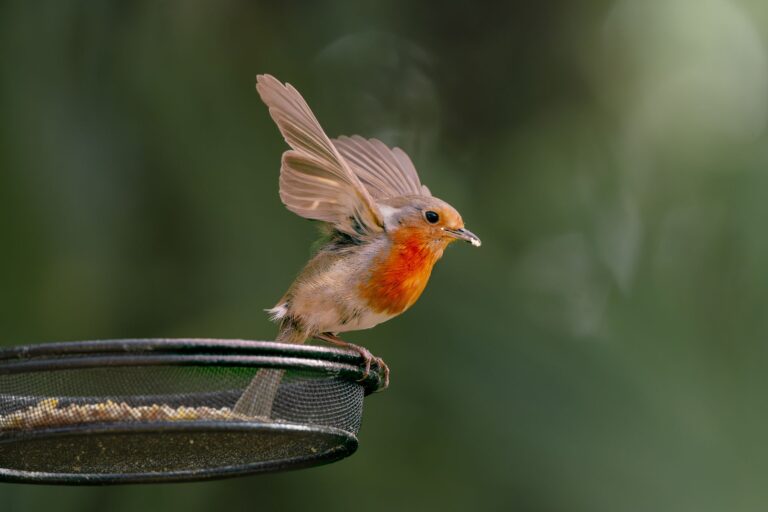
Birds and Breakfast: Oats and Pumpkin Seeds
Birds and breakfast: oats and pumpkin seeds—learn which are safe (plain/unsalted), which birds eat them, and how to serve them without risk.

Birds and Breakfast: Oats and Pumpkin Seeds (What to Feed, What to Avoid, and How to Serve Them)
If you’ve got a bag of porridge oats or pumpkin seeds in the cupboard and you’re wondering whether you can share a little “breakfast” with your garden birds, the short UK-safe answer is: yes—plain oats and plain, unsalted pumpkin seeds can be offered in small amounts. The safest route is simple: choose unflavoured oats, choose unsalted seeds, keep everything dry and fresh, and never put out milk-based porridge. Start with a small handful on a clean tray or bird table, watch who takes it, and remove leftovers the same day.
Are porridge oats safe for birds?
Plain porridge oats can be a handy, budget-friendly extra for UK garden birds, particularly in cold weather when extra calories help. The key is to treat oats as an occasional supplement rather than the only food on offer. Birds do best with a varied menu (seeds, suet, insects, fruit), and oats are most useful as a small topper or mixer on a bird table.
The main risks aren’t the oats themselves—it’s what we humans often add to them. Sugar, salt, flavourings, milk, and leaving damp oats to spoil are what cause the problems. If you keep it plain and tidy, you’re generally on safe ground.
Best type of oats (UK shopping guidance)
When shopping in the UK, aim for the simplest ingredient list possible. These are your best options:
- Plain rolled oats / porridge oats (supermarket own-brand is fine)
- Jumbo oats (still fine—slightly larger flakes, often good for larger birds on a table)
Avoid anything designed to taste like dessert or a gym supplement. In practice, skip:
- Flavoured instant sachets (often high in sugar and additives)
- Chocolate, sweeteners, syrups, honey-coated mixes
- “Protein” oat pots with added flavourings or salt
- Oats mixed with dried fruit that’s been sugared or candied
Uncooked vs soaked: dry oats are usually easiest and cleanest. Lightly soaking oats can be useful during hard frosts (it reduces dust and can make them more appealing to some ground-feeding birds), but only do this if you can put out a small amount and clear it promptly—wet oats spoil quickly.
How to serve oats safely
Keep portions modest. A small handful is plenty for a typical garden feeding spot. Oats are light and can turn into a soggy paste in rain, so you’ll get the best results with a few simple habits:
- Use a bird table, ground tray, or a shallow dish rather than scattering directly onto wet soil. A tray helps you clear leftovers quickly.
- Offer oats dry on most days. If you soak them, make it a small amount and put it out early, then remove any leftovers later.
- Mix oats with other bird foods (for example sunflower hearts or suet crumbs) so birds aren’t filling up on oats alone.
- Keep it dry and fresh. In a wet spell, switch back to foods that cope better outdoors (like suet blocks or sunflower hearts) and reduce oats.
- Clear leftovers daily. Oats clump when damp and can go mouldy; mouldy food is a bigger risk than the oats themselves.
One practical tip: if you notice oats building up under the feeding spot, reduce the amount. Some gardens have plenty of birds that love soft foods; others attract fewer takers and the oats simply sit there. Adjusting the portion is part of feeding responsibly.
Are pumpkin seeds safe for birds (and do they eat them)?
Pumpkin seeds are a high-energy, nutrient-dense food that many garden birds will take—especially if the seeds are plain and easy to handle. If you’re trying to answer “will birds eat pumpkin seeds?” in real-world UK gardens: yes, many will, but the type of seed (hulled vs in-shell) and how you present it makes a big difference.
Think of pumpkin seeds as similar to other seed treats: they’re useful, but they should be offered sensibly and kept free of salt, flavourings, and oils.
Raw vs roasted; hulled vs in-shell
Raw or roasted? Both can be acceptable if they’re plain. Raw seeds are often the simplest choice. Roasted seeds can also work, but only if they’re roasted without salt, without oil, and without seasonings (no chilli, garlic, pepper, or “BBQ” flavourings). Many shop-bought snack seeds are roasted and salted, which is not what you want for birds.
Hulled vs in-shell:
- Hulled pumpkin seeds (often sold as “pumpkin kernels” or “pepitas”) are the most practical for garden birds. Small birds can manage them more easily, and there’s less waste below the feeder.
- In-shell pumpkin seeds can still be eaten by some larger or more robust birds, but many small garden birds may struggle to access the kernel. If you only have in-shell seeds, try offering a small amount on a table and see whether they’re taken. If they’re left untouched, switch to hulled.
Portion size and preparation: you don’t usually need to crush pumpkin seeds, but if you’re feeding mainly small birds, offering hulled seeds is the simplest “no-fuss” option. If you suspect your visitors are struggling (seeds dropped repeatedly, little eaten), you can lightly crush a few between your fingers and mix them into a dry seed blend.
The big warning: salted pumpkin seeds and seasonings
This is the question that catches many people out: can birds eat pumpkin seeds with salt? It’s best to avoid feeding salted pumpkin seeds (and any seasoned snack seeds) to garden birds.
Why the caution? Garden birds are small, and salty snack foods are made for human palates, not bird diets. Salt and flavourings can encourage birds to eat something that isn’t suitable for them, and you also don’t know how much they’ll consume if they discover a rich “treat” on the table. It’s not worth the gamble when unsalted options are easy to find.
If you only have salted or flavoured pumpkin seeds at home, the best practical answer is: don’t put them out. Save them for your own meals and use a known bird-safe option instead (sunflower hearts, plain peanuts sold for wild birds, suet, or a reputable seed mix). If you’re trying to use up leftovers, you’ll get better value (and fewer worries) by buying a small bag of unsalted kernels specifically for feeding.
Which UK garden birds will take oats and pumpkin seeds?
Different gardens attract different “breakfast” customers, and birds can be surprisingly picky. As a general guide, here’s what many UK birdwatchers see when offering plain oats and unsalted pumpkin seeds.
Oats are most often taken by birds that happily feed on or near the ground:
- Blackbirds and other thrushes: often quick to investigate oats on a table or ground tray
- Robins and dunnocks: may pick at small amounts, especially if mixed with other foods
- House sparrows: can take oats, but often prefer mixed seed; if you’re also supporting sparrows, nesting help matters too (see sparrow nesting boxes)
- Starlings: often keen on softer foods and can clear a tray fast (our starlings FAQ and guide is useful if you’re trying to balance feeding without being overrun)
- Pigeons: will take oats if they can access them; they’re part of the normal garden mix in many places (see celebrating pigeons: nature’s unsung heroes)
Pumpkin seeds are usually taken by seed-eaters and birds that like larger, energy-rich items:
- Tits (blue, great, coal): more likely to take hulled seeds, especially if mixed with sunflower hearts
- Finches (for example greenfinch and chaffinch): often happy with hulled kernels
- Nuthatch (where present): can handle larger pieces and may stash food
- Pigeons and corvids: may take larger amounts if feeding is easy to access
If bigger birds dominate your table and smaller species stop visiting, spacing and presentation can help. It’s also worth understanding what opportunistic birds are likely to eat (for example, see what magpies eat: a guide to their diet), then adjusting where and how you offer “breakfast” so everyone gets a chance.
How to put out a “breakfast mix” (simple recipes + placement)
If you want to combine oats and pumpkin seeds into one practical offering, aim for a mix that stays tidy, is easy for a range of birds to handle, and doesn’t linger long enough to spoil. The simplest approach is “small and often”: put out a little, see what gets eaten, then top up later if needed.
Two easy mixes (dry and winter-soaked)
1) Simple dry breakfast mix (most days)
- 2 parts plain porridge oats
- 1 part hulled, unsalted pumpkin seeds
- Optional: 1 part sunflower hearts if you want a more broadly popular mix
Serve a small handful on a clean table or tray. If you want to add fruit, keep it simple and bird-friendly (small pieces, not sticky or sugary). For ideas that work well in UK gardens, see top 10 fruits birds like to snack on. Fruit is best offered separately or in tiny amounts alongside the mix so it doesn’t turn the whole tray into a soggy mess.
2) Winter-soaked breakfast (only in cold, dry spells)
- Soak a small amount of plain oats in water for a short time so they soften slightly (not overnight)
- Drain well so they’re damp rather than wet
- Stir through a small pinch of hulled, unsalted pumpkin seeds
Put this out early, then remove anything left after a few hours. This option can be helpful if the ground is frozen and birds are looking for easy calories, but it’s the one most likely to spoil—so it needs the most discipline.
Where to feed: table, ground, feeders
Bird table or tray: best for oats and for mixes that include oats. It keeps food visible for you and easy to clear. A tray with a slight lip helps prevent the wind scattering flakes everywhere.
Ground feeding (on a ground tray): useful for blackbirds, robins and dunnocks. Use a raised ground tray if possible to reduce damp and contamination, and move it occasionally to prevent a build-up of husks and droppings.
Hanging feeders: pumpkin seeds (especially hulled) can go into some seed feeders, but check the ports aren’t too small and that seeds don’t bridge and block. Oats generally don’t work well in hanging feeders because they can compact when damp.
If you’re unsure what’s happening when you’re not watching, a simple observation tool can help you identify who’s taking the food and at what time. A garden-friendly option is a bird trail camera, used responsibly, to spot patterns and reduce waste.
Safety, timing and common mistakes (UK-specific practicality)
Most issues with “birds and breakfast: oats and pumpkin seeds” come down to moisture, spoilage, and human-style ingredients. A few practical rules will keep your feeding safe and fuss-free.
1) Damp food is the enemy. UK weather is often wet, and oats in particular soak up rain fast. If you can’t keep a table reasonably dry, offer less and clear it more often. Any food that smells musty, looks clumped, or shows signs of mould should be binned. When in doubt, throw it out.
2) Don’t feed milk porridge. If you’ve cooked porridge with milk (or added butter, sugar, salt, sweeteners, or flavourings), don’t put it out for birds. It goes off quickly outdoors, and it’s simply not designed for them. If you want to offer soft food, stick to plain, lightly soaked oats in tiny portions and only when you can remove leftovers.
3) Avoid salt and “kitchen scraps” thinking. A lot of pumpkin seeds sold for snacking are salted, spiced, or roasted in oil. The same goes for many “breakfast toppers” and flavoured oat mixes. Birds don’t need these extras, and they increase the chance of overconsumption of unsuitable ingredients. Choose plain wild-bird-appropriate foods whenever you can.
4) Spring and summer: keep it modest. In the breeding season, adult birds are busy and many chicks need insect-rich food. That doesn’t mean you must stop feeding, but it does mean you should keep offerings sensible: small seeds, fresh water, and standard bird foods are usually better than experimenting with lots of “human breakfast” items. If you do offer oats or pumpkin seeds, keep portions small and tidy.
5) Cleanliness matters more than clever recipes. A quick wipe and regular wash of tables and trays helps reduce disease risk. Rotate feeding spots if the ground below becomes dirty. If you notice rodents, reduce spillages, feed only in daylight, and clear leftovers. Good housekeeping is also part of encouraging natural pest control—healthy local ecosystems (including birds of prey) can help keep balance (see kestrels and rodent control: nature’s pest controllers).
6) Prevent “bullying” where possible. If starlings, pigeons, or corvids clear everything quickly, try two smaller feeding areas rather than one large buffet. Put a small breakfast tray out for 20–30 minutes, then remove it. This often lets quieter birds feed without being displaced for long periods.
What to buy: quick UK shopping checklist (value + quality)
If you want the easiest buying decision, here’s a straightforward checklist that suits most UK gardens and keeps you aligned with the safety basics.
- Oats: choose plain porridge oats or rolled oats. Supermarket own-brand is absolutely fine. Avoid anything flavoured, sweetened, or “instant” with added ingredients.
- Pumpkin seeds: buy unsalted seeds with no oil and no seasoning. Hulled kernels are usually the most usable for small garden birds.
- Packaging and storage: store both in an airtight container in a cool, dry cupboard. Oats and seeds can pick up moisture and go stale if left open, especially in a warm kitchen.
- When a ready-made wild bird mix may be better: if you’re regularly feeding, a reputable wild bird seed mix (or sunflower hearts) is often better value per visit because it suits more species and lasts well outdoors. Oats and pumpkin seeds are best used as a top-up or occasional change.
- “Human food” seeds vs bird food: plain seeds sold for baking can be fine if they are truly unsalted and unseasoned. Snack seeds marketed for people are far more likely to include salt, oils, and flavourings—so check the label carefully.
If you’re building a reliable routine, consider keeping one “always safe” option on hand (like sunflower hearts or suet) and treating oats/pumpkin seeds as a breakfast extra when conditions are dry and you can monitor leftovers.
Final thoughts
For birds and breakfast: oats and pumpkin seeds, the practical UK answer is reassuring: plain porridge oats and plain, unsalted pumpkin seeds can be a safe, useful addition to your garden feeding—so long as you keep portions small and don’t let food sit damp and spoil.
Your simplest next steps are:
- Buy plain/unsalted (no milk, no sugar, no salt, no flavourings).
- Serve a small amount on a clean tray or table, ideally dry, and remove leftovers the same day.
- Watch and adjust—if certain birds dominate, reduce the portion or offer two smaller feeding spots.
Do that, and you’ll quickly learn