Clean Birdwatching with the K4 Full Control Pressure Washer from Kärcher
Clean birdwatching with the K4 Full Control Pressure Washer from Kärcher: a UK guide to safer, bird-friendly patio, path and hide cleaning.
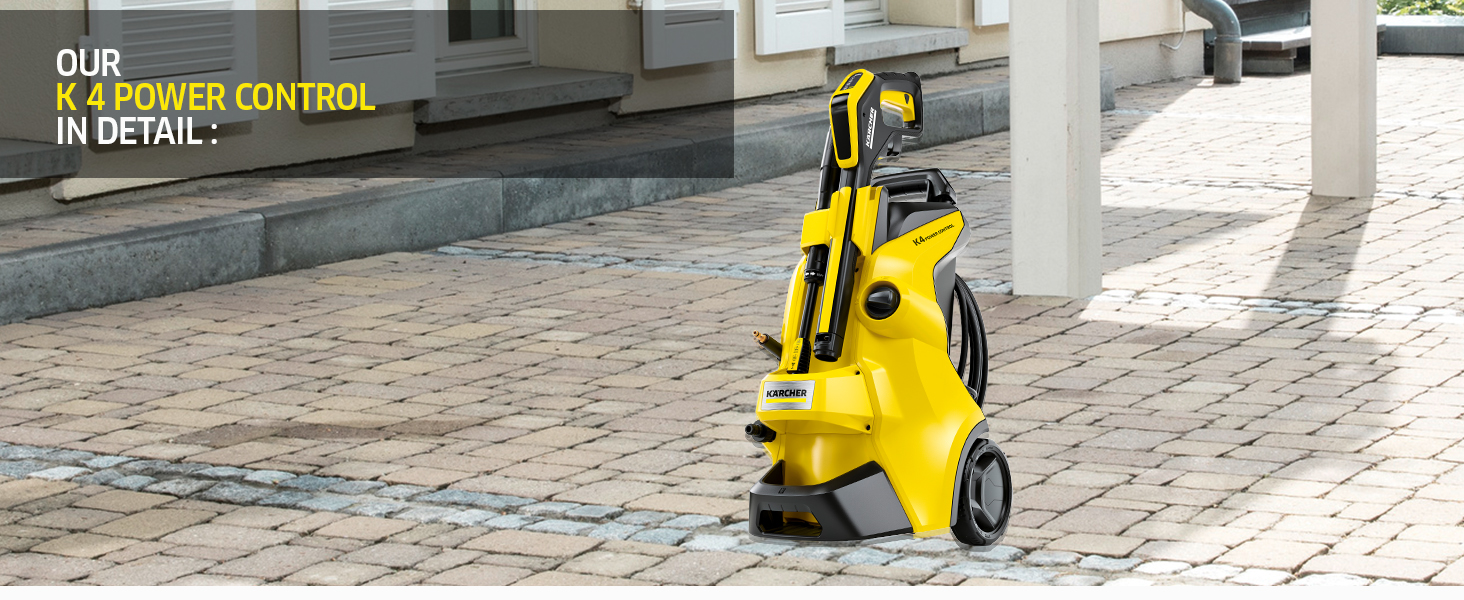
Clean Birdwatching with the K4 Full Control Pressure Washer from Kärcher (UK Guide to Safe, Bird‑Friendly Cleaning)
Muddy patios, green algae on steps, feeder mess under the perch and droppings near your favourite viewing chair can make birdwatching less pleasant (and sometimes genuinely slippery). This guide to clean birdwatching with the K4 Full Control Pressure Washer from Kärcher shows you how to pressure-wash responsibly in a UK garden or local patch: protect birds first, avoid nest disturbance, choose safer pressure and distance, manage run-off, and finish with a hygienic, optics-friendly viewing area.
Use this quick path: check for birds/nests → pick a low-disturbance time → start on the lowest effective setting → keep a generous stand-off distance and shallow angle → rinse thoroughly and control run-off → watch how birds react and adjust next time.
What “clean birdwatching” means in a UK garden (and what it doesn’t)
For birdwatchers, “clean” usually means safe footing, simple hygiene and good viewing rather than a spotless, sterile outdoor space. A clean birdwatching area is one where you can stand still without sliding, set down a scope or camera bag without smearing it in algae, and watch birds without being distracted by unpleasant smells or a build-up of mould and droppings around human-use areas.
In the UK, the usual trouble spots are very predictable:
- North-facing patios and paths where algae and biofilm build up quickly in shade.
- Winter grime on steps, decking and handrails when days are short and drying is slow.
- Woodland-edge mud dragged out from borders and through gates after rain.
- Coastal salt and sand that leaves a gritty film on hardstanding (and can scratch kit if it gets onto tripods).
What it isn’t: blasting every patch of moss from between paving slabs, pressure-washing leaf litter out of borders, or “sanitising” natural areas that wildlife uses. A little moss in a damp corner is normal; a slimy, skiddy step to your viewing spot is the bit worth addressing.
Before you start: bird welfare, legal considerations and timing (UK)
Pressure washers are effective because they combine noise, vibration and fast-moving spray. Those are exactly the things that can cause disturbance if birds are nearby, especially in tight garden spaces where birds can’t easily keep their distance.
Disturbance cues to watch for include repeated alarm calls, birds repeatedly flushing from the same perch, agitated flicking and scolding, or a sudden drop in feeder use immediately after you start. If you see this, pause and reassess: your cleaning can wait, but repeated disturbance can condition birds to avoid the area.
Nesting season caution: in the UK, many species breed through spring and summer, and birds can also attempt late broods. You don’t need to be an expert on every species to be cautious: before pressure-washing near buildings, spend a few minutes checking eaves, hedges, ivy, sheds and climbers for regular in-and-out flight lines, carrying nesting material, or adults repeatedly visiting one spot. If you suspect nesting, keep well away and switch to quiet, hand methods where essential.
If your cleaning area is near a building, it’s also worth being aware of species that commonly nest on or around houses and outbuildings. House Martins, for example, often nest under eaves where wet mud is available nearby; if you’re seeing birds regularly sweeping in to the same corner, treat it as a no-go zone for noisy work. Our species guide may help you recognise the context: House Martin – Nature’s Acrobat.
Timing for lower impact: choose a window when bird activity around your feeding station is naturally lower. For many gardens, mid to late morning can be calmer than dawn (when birds are actively feeding and singing), but it varies. Avoid cleaning in freezing conditions (wet surfaces can become ice) and avoid high-wind days (spray drift and debris travel further than you expect).
If you’re cleaning a public hide, path or viewing area: check the landowner’s rules first (RSPB, Wildlife Trust, local authority or private estates). Policies on pressure-washing, chemicals and water run-off can change, and there may be seasonal restrictions around sensitive breeding or wintering areas. Verify locally before you go.
Using the Kärcher K4 Full Control responsibly: settings, stand-off distance and technique (worked principles)
The useful thing about a “full control” style washer is the ability to match the pressure to the job rather than defaulting to maximum force. For bird-friendly cleaning, that matters: you want the lowest effective pressure so you remove slippery biofilm without blasting debris into borders or damaging surfaces birds may perch on.
Start low, test a patch, then increase only if needed
Begin on a low setting and test a small, inconspicuous area first. The goal is to lift algae and grime, not to scour the surface. If the dirt shifts with gentle pressure and good technique, stay there. Higher settings tend to:
- make more noise and spray drift (more disturbance)
- force water into joints, gaps and timber end-grain (more damage risk)
- break up dirt into finer particles (more mess and inhalation risk)
Use a conservative stand-off distance
As a rule of thumb, start further back than you think you need. A practical, conservative approach is:
- Begin at roughly 50–100 cm from the surface for most patio and path cleaning.
- Only move closer on robust hard surfaces (sound concrete or solid stone) and only if the low-pressure pass isn’t shifting the film.
- Avoid close-range work on timber, soft brick, pointing, old paving, decking and joints where water can be driven in.
Angle and movement matter more than brute force
Keep the lance moving in smooth, overlapping passes and use a shallow angle to lift surface growth rather than driving water straight down into joints. On algae-prone flags, a shallow angle often clears the slip layer with less effort and less splash-back.
Nozzles and attachments: choose the gentlest tool that works
Most pressure washers come with a choice of sprays. In general terms:
- Variable fan spray is usually the best starting point for patios, paths, steps and fences.
- Rotary/turbo-style jets can be aggressive; reserve them for robust surfaces only, away from borders, gravel and anything wildlife uses. They can also mark softer stone and tear out mortar.
Control run-off and debris (especially near water)
Dirty run-off can carry algae, droppings and loosened debris into drains, ponds and borders. Before you start, decide where the water will go. Simple, bird-friendly steps include:
- sweeping up loose debris first (less to wash away)
- working “with” the slope so dirty water moves predictably
- keeping wash water away from ponds, water bowls and bog gardens
- collecting clumps of moss/leaves as you go so they don’t end up in planting beds
Where drains connect to sensitive areas, take extra care and, if unsure, avoid pressure washing and use manual methods instead.
What you can safely clean for better birdwatching (and how)
Used thoughtfully, a washer can improve your viewing set-up without turning your garden into a “no wildlife” zone. These are the most sensible, birdwatching-focused uses.
Patios, paths and steps to your viewing spot
This is the big one: removing algae from a step or path reduces slips when you’re carrying binoculars, a flask or a tripod. Pre-sweep, then wash on a low setting with a fan spray, keeping the lance moving. Rinse well so you’re not leaving a thin, slick residue behind.
Fences, screens and garden furniture used for watching
Many UK gardens use a fence line as a “hide edge” where birds pop up briefly before visiting feeders. You can clean fencing and hard furniture, but avoid blasting flaky paint or forcing water into timber joints. If the fence is older or softwood, go gentler and accept that a bit of weathering is normal.
Shed or garden hide exteriors (only after a nesting check)
It’s common to watch from a shed doorway or a small garden hide. Exterior cleaning can be fine, but only if you’ve checked carefully for nesting activity around eaves, behind stored items and in nearby climbers. If there’s any doubt, postpone or limit yourself to a quiet brush-and-bucket clean on the human-contact areas (door handle height, step and threshold).
Viewing glass and windows: treat with caution
It can be tempting to blast windows clean so you can watch birds without reflections and smears. Be careful: strong jets can damage seals, force water into frames, and drive grit across glass. A safer approach is a gentle rinse (from a distance, low pressure) and then a hand clean with a soft cloth. If you’re cleaning an exterior window near feeders, remove feeders first so you’re not spraying around birds.
Cleaning the ground under feeders (after removing food and kit)
The mess under feeders can attract rodents and can be unpleasant for you if it becomes a soggy, mouldy patch. The better approach is to remove feeders and any spilled seed first, bag the worst of it, and only then rinse/clean the hardstanding below. If you’re setting up a more selective feeding station (to reduce waste and large-bird bullying), our guide may help: Best bird feeder for small birds not pigeons (UK guide).
What to avoid pressure-washing near birds (common UK mistakes)
Some jobs feel like “quick wins” with a washer but are risky for birds, your surfaces, or both.
Don’t pressure-wash feeders, bird baths or nest boxes
It’s easy to damage plastic fittings, loosen joints, and drive dirty water into seams. There’s also a hygiene concern: blasting droppings and old food can aerosolise fine particles, which you don’t want to inhale and you don’t want drifting onto nearby perches. For these items, use controlled hand cleaning: hot water, a dedicated brush, and thorough rinsing. If you choose to use any disinfectant product, follow the label exactly, keep it away from food and water sources, and rinse until there’s no residue or odour.
Avoid hedges, ivy walls and eaves where nests may be present
Even outside peak breeding months, birds may roost or shelter in dense cover. Spraying into hedges can flush birds into predators or simply cause repeated stress. Around buildings, be particularly cautious where you’ve noticed regular flight lines to one point under the roofline.
Don’t blast soil, leaf litter, gravel or pond edges
Many of the invertebrates birds feed on live in leaf litter and damp margins. Blasting these areas can strip cover, erode soil and create a muddy slurry that ends up in water. Amphibians and beneficial insects also use these microhabitats, especially in shaded corners.
Be very careful with detergents, “patio cleaners” and biocides
In birdwatching terms, the risk isn’t just the chemical itself but where it ends up. Run-off can reach ponds, bird baths, pet drinking bowls and planted areas. If you feel you need a cleaning product, verify it’s appropriate for outdoor wildlife contexts, follow the manufacturer’s instructions, and don’t mix products. When in doubt, use plain water, elbow grease and prevention (better drainage, more sun, regular sweeping).
Step-by-step: a bird-friendly cleaning routine for a typical UK birdwatching patio (with checklist)
This routine is designed for a small patio or path that you use as a regular watching spot, with a feeder station nearby.
Preparation checklist (10–15 minutes)
- Do a quick bird check: watch for repeated visits to a nest site (hedge, ivy, eaves, shed corners). If you suspect nesting, postpone or reduce to quiet hand cleaning.
- Remove feeders and food from the immediate area. Clear spilled seed and dispose of it securely.
- Cover or move water sources such as bird baths and pet bowls so run-off can’t reach them.
- Sweep first to reduce the amount of debris you’ll turn into dirty slurry.
- Close nearby doors/windows to keep spray and grit out of the house.
- Keep pets indoors and keep children well away from the working area.
- Wear sensible PPE if you’re cleaning areas with droppings: gloves and a well-fitting mask reduce the chance of inhaling fine particles.
- Set up for low disturbance: start with the lowest practical pressure and the gentlest spray pattern.
Washing (work cleanly and predictably)
- Start furthest from the exit/drain and work backwards so you’re not walking on freshly wet, slippery surfaces.
- Keep a generous stand-off distance and use a shallow angle. Let the water do the work without gouging joints.
- Make overlapping passes and avoid lingering on one spot (that’s when surfaces get damaged).
- Pause if birds react strongly (alarm calling, repeated flushing). Give it time, or stop and resume another day.
Rinse and reset the birdwatching area
- Rinse thoroughly so loosened grime isn’t left as a slick film.
- Collect clumps of moss/leaves and bin or compost them rather than pushing them into borders.
- Let the area dry before replacing feeders and furniture. Damp patios can still be slippery even when they look clean.
- Put feeders back thoughtfully and monitor whether birds return normally. If they seem wary, reduce noise/time next session and clean in shorter bursts.
Buying/usage considerations (if you’re choosing a K4 Full Control or similar)
If you already own a Kärcher K4 Full Control, your priority is learning restraint: the most bird-friendly cleaning is usually achieved with variable pressure, careful technique and good timing. If you’re choosing a pressure washer for maintaining a birdwatching area, look for features that support that approach rather than simply “more power”.
- Clear, easy pressure adjustment: you should be able to stay on a low setting for most tasks.
- Nozzle choice: a controllable fan spray is more versatile for patios and fences than a highly aggressive jet.
- Hose length and reach: longer reach can reduce how often you reposition (less chance of startling birds by moving around).
- Storage and set-up time: if it’s quick to deploy, you’re more likely to do short, low-impact cleans rather than infrequent “deep cleans”.
- Noise expectations: all pressure washers
aren’t silent, but some designs and working practices are less intrusive than others. If you can, plan to clean in short sessions rather than running the washer for a long continuous block, and avoid pointing the spray at hard corners where the sound echoes and amplifies.
Maintenance and reliability: a poorly maintained washer tends to be more frustrating (and noisier for longer). Whatever model you use, keep the intake filter clear, check hose connections for leaks, and follow the winter storage guidance in the manufacturer manual so you’re not forced into emergency cleaning at the worst time of year.
Water supply and run-off control: if you’re tempted to draw from a water butt, check compatibility and the manufacturer’s guidance first. Even with mains water, think about where dirty water goes and whether you can intercept debris with a quick sweep-and-collect before you start.
Accessory trade-offs: patio “surface cleaners” and rotating heads can be tidy on flat, robust paving, but they can also fling contaminated slurry out from the edges and are rarely the right choice near planted borders, gravel, ponds or feeding areas. A simple fan spray with careful distance control is usually easier to keep bird-friendly.
Note for readers using product links: if this page includes shopping links elsewhere on the site, please also read our Affiliate Disclosure.
Final thoughts
Clean birdwatching isn’t about stripping your garden back to bare hardstanding; it’s about making the places you stand, sit and set down optics safe and pleasant while keeping disturbance and habitat damage to a minimum. If you’re using the Kärcher K4 Full Control, the “bird-friendly” approach is simple: do a quick nest and behaviour check first, pick a low-activity time, start on the lowest effective setting, and work from a generous stand-off distance with a shallow angle and steady movement. Control run-off, keep spray away from water features and cover, and avoid blasting anything that’s used directly by birds (feeders, nest boxes, baths) where quiet hand-cleaning is safer.
Your next step: take ten minutes to walk your cleaning area and look for regular flight lines into hedges, ivy or eaves; if you see them, postpone that section and clean only the human-use surfaces you genuinely need. If you want a second opinion on a tricky set-up (shared access paths, a feeder close to a shed, a suspected nest site), you can reach us via the Contact page.