Creating a Heron Haven: Tips for Attracting Herons to Your Garden
Creating a heron haven: tips for attracting herons to your garden with UK pond design, low-disturbance tactics and ethical advice for safe visits.
Creating a Heron Haven: Tips for Attracting Herons to Your Garden (UK Guide)
If you’re creating a heron haven: tips for attracting herons to your garden start with a realistic goal: you can’t “summon” a heron on demand, but you can make your garden feel like an easy, low-risk hunting stop. In the UK, a visiting grey heron is usually looking for three things: water, access (safe wading and a clear approach), and peace (minimal surprise disturbance).
This guide focuses on practical, UK-specific steps you can take this week—especially if you have (or can add) a pond or shallow water feature. You’ll also find common mistakes to avoid, plus what to do when a heron finally arrives so you can enjoy the moment without putting it off.
What attracts herons to a garden in the UK? (behaviour cues that matter)
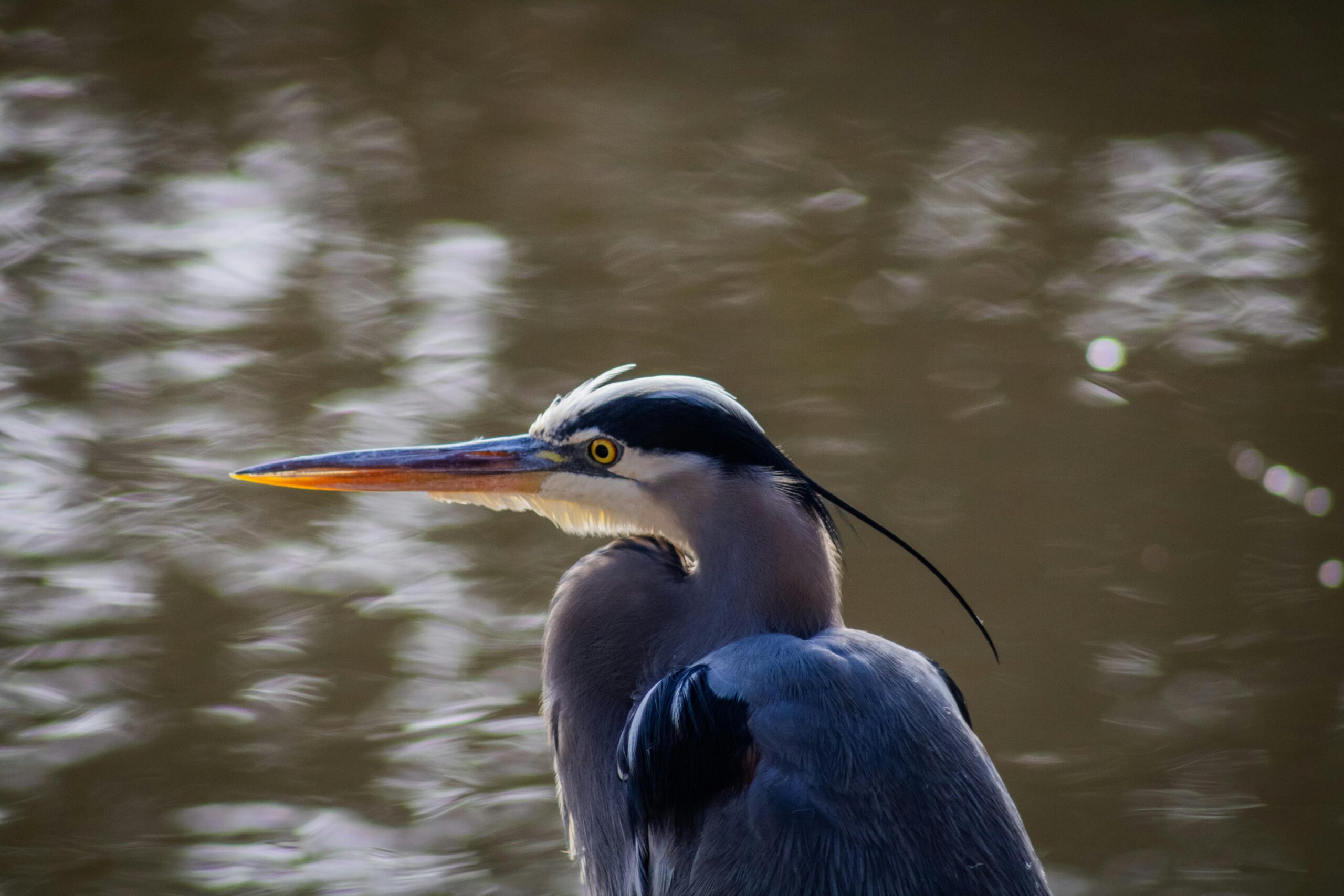
The species most likely to visit UK gardens is the grey heron. They’re widespread and adaptable, using rivers, canals, reservoirs, lakes, urban park ponds and even drainage ditches. A garden pond can be attractive simply because it’s predictable: the same shallow margins, the same prey, and fewer competing birds than a busy public waterbody.
Herons are visual hunters. In practice, they favour:
- Shallow edges they can wade along slowly, rather than deep water they can’t work.
- Clear sightlines into the water (and around them) so they can spot prey and spot danger.
- Reliable feeding opportunities—often small fish, amphibians and aquatic invertebrates.
- Safe landing and exit routes: space to glide in, step down, and leave without tangling wings or colliding with obstacles.
- Low disturbance—not “silent”, but calm and predictable.
Timing matters too. Many garden visits happen around dawn and dusk, and you may notice more interest in winter (when natural feeding areas can be less productive or frozen) and late summer (when feeding demands can be high and water levels drop elsewhere).
Signs you’re already on a heron’s regular route include: frequent flyovers on the same line, local reports from neighbours, and nearby water such as a canal, brook, park pond or fishing lake. If herons are already in your wider area, your job is to make your garden feel like an easy “yes”.
Create the right water feature (pond design that suits herons)
If you want herons to visit, your water feature needs to offer a workable hunting zone. Many ornamental ponds are designed to look neat rather than function as a wader-friendly margin, so small tweaks can make a big difference. That said, be clear about your priorities: some pond owners want wildlife visits and want to keep fish safe, which can pull design in opposite directions. The sections below help you choose deliberately.
Depth, shelves and margins (the heron “wading zone”)
A heron’s sweet spot is shallow water where it can stand still or take slow steps with stable footing. In garden terms, that means gentle profiles and marginal shelves rather than steep sides. If you’re building a pond from scratch, include:
- A gradual slope into the pond on at least one side, so a heron can walk in rather than having to hop down a vertical edge.
- Wide planting shelves at shallow depths. These can double as habitat for pondlife and as feeding zones.
- Firm edges where a bird can place its feet without sliding—think compacted substrate, stones set firmly, or a stable ledge.
If you already have a steep-sided pond, you can still improve “access” without rebuilding everything. Options include creating a shallow bay at one end, adding a submerged shelf (securely), or introducing a gentle ramp area that also helps amphibians and hedgehogs climb out. (Whatever you add, ensure it’s stable; loose rocks can shift and create hazards for wildlife and people.)
Be aware of the trade-off: a perfect heron wading margin is also an easy hunting platform. If your goal is to attract herons, that’s fine. If your goal is to protect valuable fish, you may prefer a pond design that’s less accessible (and accept that heron visits may be less likely). The key is to avoid being surprised by the outcome.
Water clarity, movement and maintenance
Herons hunt largely by sight, so very murky water can make your pond less attractive as a feeding spot. You don’t need swimming-pool clarity, but aim for a pond where prey is visible in the margins for at least part of the day.
Strong, constant water movement can also reduce hunting success. A gentle trickle is usually fine, but a loud fountain or aggressive jet near the margins can make the shallow zone less usable. If you’re trying to encourage heron visits, consider keeping the quietest water around the edge you want the bird to use.
For maintenance, choose methods that protect pondlife. Avoid tipping in treatments without understanding what they do to aquatic invertebrates and amphibians. If you need to clear blanket weed or algae, prefer gradual, partial clearing so the pond doesn’t lose all its cover and micro-habitats overnight. And if you plan major work (draining, re-lining, heavy cutting back), do it at a time that minimises disruption to wildlife using the pond—your local conditions will vary, so it’s worth checking seasonal guidance from a reputable UK wildlife gardening source before you begin.
Landing, approach and exit routes
A grey heron is a big bird and needs room to operate. The ponds that get regular visits often have:
- A clear approach corridor—a gap between trees, fences or overhead wires where a heron can glide in.
- One “open” edge without heavy overhanging clutter right above the waterline.
- A quiet standing spot—short turf, a flat stone edge, or a firm bank where it can pause before wading.
You don’t have to remove all shrubs and branches (and you shouldn’t strip your garden of cover just for one species). The aim is a sensible compromise: one accessible, open feeding margin, with other areas still planted for overall wildlife value.
Food considerations: natural prey, fish and ethical choices
Herons visit gardens because food is available—often without the homeowner realising. In a UK pond, natural prey can include aquatic invertebrates, tadpoles, small fish and sometimes frogs. A wildlife-friendly pond can support plenty of this life on its own, especially if you avoid over-tidying and allow marginal plants to establish.
Fish are the big decision point. Stocking fish (especially larger, more visible fish) can increase the chance of a heron taking interest, but it also increases the chance of a painful conflict: you enjoy the heron, then feel upset when it takes fish. Before you make changes, decide which of these best fits your garden:
- Wildlife pond priority: you accept predation as part of the ecosystem and focus on habitat diversity rather than protecting individual fish.
- Mixed pond: you want wildlife and fish, and you’ll take sensible steps to reduce fish losses, accepting you can’t make it risk-free.
- Ornamental fish priority: you strongly want to prevent fish predation; in that case, “attracting herons” isn’t really compatible, and you may choose deterrence-focused design instead.
Ethically, we don’t recommend baiting or deliberately feeding a heron. It can encourage dependency, bring birds into risky close contact with people, and can lead to stress for other wildlife around the pond. It’s also worth avoiding setups that effectively trap prey in a tiny, bare basin with no cover—if you keep fish, provide them with places to retreat (natural cover, deeper areas, and structure), recognising that herons are patient and can still succeed.
If you’re thinking of adding fish, be cautious about what you introduce and where it comes from. Species and stocking practices can affect pond ecology and local wildlife. Guidance can change, so verify current advice with a reputable UK pond or wildlife organisation before stocking.
Planting and landscaping for a heron-friendly (but balanced) garden
A good “heron haven” isn’t just a bare pond. The most successful gardens usually have a mosaic: open access for hunting and cover elsewhere for the wider pond community.
A practical approach is to create:
- One open viewing and feeding edge: keep a strip of short vegetation or firm edging where a heron can stand and you can see what’s happening.
- Planted margins on other sides: marginal plants and grasses help pondlife thrive and provide shelter for amphibians and invertebrates.
- A “stepping” shoreline: gentle transitions (lawn to low plants to water) are easier for waders than abrupt walls.
If your goal is attraction, avoid surrounding the entire pond with dense, spiky or impenetrable barriers. Those features are sometimes used specifically to deter herons, so they work against you here. A compromise many gardeners like is keeping planting set back a little from one edge—enough space for a heron to wade—while allowing thicker growth elsewhere so frogs and newts aren’t left completely exposed.
Hard landscaping can help too. A flat stone, short turf margin, or a low platform can become a preferred “stand-and-wait” spot. Just ensure anything you add is stable, non-slip, and doesn’t create a hazard for other wildlife.
Reduce disturbance: make your garden feel safe
Herons are wary, but they can tolerate human presence when it’s predictable. Sudden changes—doors slamming, a dog charging the pond edge, or someone stepping out quickly—are far more likely to put a bird up than normal household background noise.
To make visits more likely:
- Choose a viewing position that keeps you back from the pond edge. Watching from indoors through a window can be ideal.
- Manage pets, especially dogs. A heron that’s repeatedly flushed will often start approaching at different times, or avoid the pond altogether.
- Reduce surprise lighting: motion-triggered lights aimed at the pond can deter night-time or low-light visits and may disturb other wildlife too.
- Keep routine maintenance calm: if you always feed the birds or check the pond at the same time, do it steadily rather than rushing out when you spot a heron.
If you’d like closer views, consider creating a simple screen using existing shrubs or a discreet spot where you can sit still. In birdwatching terms, it’s less about “hiding” and more about being non-threatening and consistent.
Seasonal strategy (when to expect visits and what to adjust)
Seasonal conditions in the UK can change how and when herons use garden ponds.
Winter: In cold snaps, ponds can be valuable feeding areas, especially if other shallow waters freeze. If a heron is visiting in harsh weather, avoid repeatedly flushing it—every wasted flight costs energy. If your pond freezes, never smash ice violently right next to a feeding area; instead, create a small thawed patch carefully away from any bird currently using the pond.
Spring and summer: Herons may hunt more regularly as they feed growing young, and garden ponds can be productive. Try to time disruptive tasks (major plant cutting, heavy cleaning) to quieter moments rather than when a heron is actively visiting. During hot spells, low water levels can concentrate prey in the margins; that can increase visit chances, but it also increases pressure on amphibians, so maintain some cover and avoid over-tidying.
Autumn: Falling leaves can quickly reduce water quality. Netting leaves can help, but if you use any netting over water, consider wider wildlife safety (see common mistakes below) and check it frequently.
Common mistakes that stop herons visiting (or cause problems)
Most “why don’t I get herons?” problems come down to access, disturbance, or unrealistic expectations. These are the issues we most often see in UK gardens:
- Edges that are too steep or too deep: a sheer-sided pond may look modern, but it offers little wading opportunity.
- Clutter right at the margin: dense planting at every edge can block a heron from stepping in, even if the pond is otherwise perfect.
- Noisy, splashy water features: constant turbulence near the edges can make hunting harder and can simply feel “busy”.
- Constant human activity at the pond edge: if the only place to sit is right next to the water, you may unintentionally guard it all day.
- Stocking fish and then panicking: if you add fish, assume herons may eventually discover them. Plan your pond goals first, then stock accordingly.
- Chasing a visiting heron repeatedly: it increases stress and can teach the bird your pond is worth revisiting (because it found food there).
A special word on netting: pond nets and lines can be effective for leaf control or fish protection, but they can also be dangerous to wildlife if poorly set. Loose or half-fixed netting can snag birds, bats and other animals. If you use netting for any reason, keep it taut and visible, avoid gaps where animals can tangle, and check it frequently—especially after windy weather.
Finally, be cautious with chemicals and sudden “deep cleans”. A sterile pond is often less attractive to herons because it supports less prey, and it’s usually worse for the rest of your garden wildlife too.
Watching and photographing visiting herons without putting them off
A visiting heron can feel like a once-in-a-season event—so it’s tempting to rush outside. If you want repeat visits, the best approach is calm and observational.
Where to watch from: If possible, watch from indoors or from a position that doesn’t place you on the heron’s direct line to the pond. A heron that can see you clearly at close range often won’t settle. Staying back also gives you better behaviour, as the bird spends more time feeding and less time scanning for threat.
Binoculars vs camera: Binoculars let you stay further away and still see detail in the bird’s posture and feeding technique. For photography, longer focal lengths help, but technique matters just as much: steady support, a quiet position, and patience. For a dedicated, practical guide to fieldcraft and settings, see our article Grey Herons – How do you photograph them?.
Behaviour cues to respect: If a heron stands bolt upright with the neck stretched, freezes for long periods while staring at you, or keeps stepping away from the pond edge, you’re too close or too obvious. If it relaxes into a slow “stalk”, spends time peering into the water, or begins that characteristic poised stillness before striking, it feels comfortable
, and you’re much more likely to get a few minutes of natural behaviour (and possibly a return visit).
How to position yourself: If you do go outside, aim to move into place before the heron arrives (early morning is often best), then stay still. If it’s already feeding, don’t try to “creep closer” in stages—herons are excellent at detecting incremental movement. Pick a spot with some cover behind you (a hedge, shed or fence line) so your outline is less obvious, and keep your profile low.
Keep the pond edge “the bird’s space”: A common reason herons stop dropping in is that people unintentionally claim the pond as a patio feature—chairs at the edge, frequent trips to check fish, kids playing right beside the water. If you want the heron to feel welcome, decide on a human viewing line that’s a few metres back and stick to it.
Photography trade-offs that matter in a garden: In tight spaces, the best upgrade is often stability rather than more reach. A monopod/tripod or a beanbag on a windowsill can help you keep shutter speeds sensible without constant movement. If you shoot through glass, watch for reflections (darken the room behind you if you can) and be aware that some double glazing can slightly soften detail. If you’re using a camera with audible focus/drive noise at close range, single shots can be less intrusive than long bursts.
When to stop: If the heron repeatedly looks up, steps away, or flies to a roof/tree to “wait you out”, it’s telling you the pressure is too high. Back off and let it settle—or accept that today’s visit will be short. In terms of responsible birdwatching, your best success metric is not the closest photo; it’s the bird feeding normally and leaving in its own time.
Final thoughts
Creating a heron haven is mostly about making your garden pond feel like an easy, low-risk feeding stop: shallow access, clear sightlines, and predictable peace. If herons already live or feed in your wider area, small changes can be enough to tip the odds in your favour.
If you want a simple, practical next step, choose one action from each list:
- Water/access (this weekend): create or widen a shallow shelf, add a stable ramp/edge, or clear one approach corridor over the pond.
- Disturbance: pick a viewing position back from the water (often indoors), manage pets at peak times, and avoid rushing out when a heron appears.
- Seasonal tweak: in winter, minimise flushing and keep any ice-opening gentle; in summer, keep some cover for amphibians and don’t “deep clean” the pond all at once.
Finally, be honest about your priorities around fish. Fish can make a pond more attractive to herons, but that’s a choice with consequences. Don’t bait or feed a heron, and avoid any pond setup that increases the risk of wildlife becoming trapped or tangled. With a balanced pond and a calm routine, a garden heron visit can be one of the most memorable moments of everyday UK birdwatching—brief, wild, and all the better when the bird feels safe enough to return.