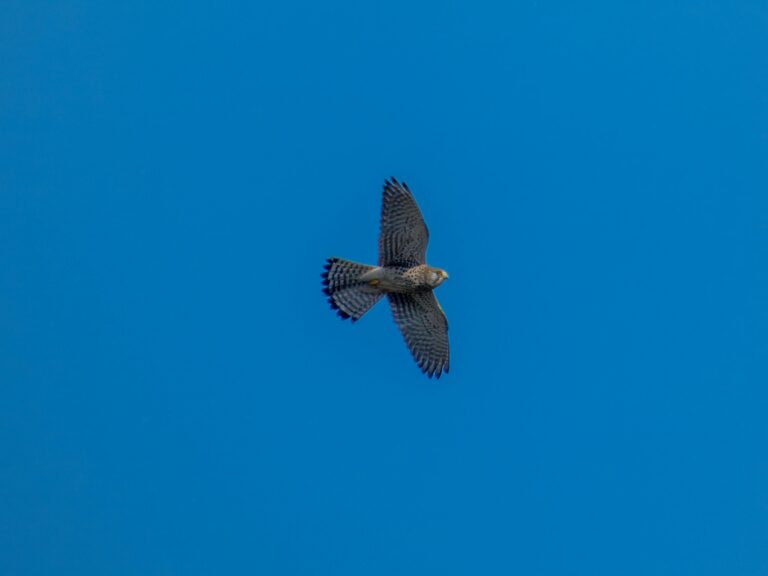
Kestrels and Rodent Control: Nature’s Pest Controllers
Learn kestrels and rodent control: nature’s pest controllers with a practical UK guide covering key signs, useful examples and simple field tips for
If you’ve got rodents around a paddock, smallholding, barn, compost area or veg plot, it’s natural to wonder whether local kestrels can help. The practical answer is: yes, kestrels can reduce pressure from some rodents (especially voles and mice) by hunting regularly over suitable ground, but they won’t “wipe out” an infestation on their own.
This guide to kestrels and rodent control: nature’s pest controllers gives you a realistic path: (1) understand what kestrels actually eat in the UK, (2) make your land easier for them to hunt by improving rough grass and safe perches, (3) consider a nest box only where the habitat is right, (4) reduce rodent attractants around buildings, and (5) monitor what’s happening without disturbing wildlife.
Kestrels and rodent control: what they really do (and don’t do)
When people talk about kestrels as “natural pest controllers”, they usually mean one thing: kestrels remove a steady number of small mammals from the landscape, which can help keep populations in check over time. This is best thought of as predation pressure rather than instant “control” in the way a trap or bait station might be described.
In the UK, kestrels frequently hunt where rodents are abundant: field edges, tussocky grass margins, embankments and rough ground. If your land offers that kind of hunting habitat, a resident kestrel (or a pair feeding chicks) can take rodents regularly. That can make a difference to ongoing, low-to-moderate rodent activity and may reduce damage in fields, grass leys and around feed areas.
What kestrels generally don’t do is solve a serious, building-based mouse problem by themselves. If rodents have a reliable food supply indoors (spilt feed, open bins, accessible chicken food, poorly stored grain), kestrels can’t access most of those animals. Kestrels also don’t hunt effectively everywhere: tight gardens with lots of cover, dense woodland, or areas with heavy disturbance often won’t suit them.
Expect outcomes to vary with season, prey cycles and weather. In some years, vole numbers peak and kestrels do very well; in other years, prey can be scarce and kestrels may switch to insects or small birds more often. The key point is to treat kestrels as part of a wider, wildlife-friendly approach rather than a single “fix”.
What UK kestrels eat: the prey that matters for pest control
In the UK, kestrels are best known for taking small mammals, particularly voles and mice. The species mix varies by location, but the prey that most links kestrels to “rodent control” is typically:
- Field voles and other vole species in rough grassland and field margins
- Wood mice and similar small mice in hedgerows and edge habitats
- Occasional shrews (not rodents, but small mammals often found in the same places)
Kestrels can also take larger prey opportunistically, but claims about them “controlling rats” need careful wording. They may take young rats or small individuals where those are exposed in daylight and in open cover, but adult rats are often too large, too risky, or too well protected by cover for kestrels to target routinely. If rats are your main issue, kestrels are helpful wildlife to have around, but they shouldn’t be your primary plan.
Diet isn’t fixed. In late summer and autumn, kestrels may take more large insects (such as beetles and grasshoppers) if these are abundant and easy to catch, and they sometimes take small birds. That doesn’t cancel their value as rodent predators; it simply reflects a flexible hunter responding to what’s available.
If you want evidence without interfering, look for pellets beneath a regular perch or roosting spot. Pellets often contain fur and small bones, and they can give a rough idea of what a bird has been eating locally. You don’t need to collect them to learn from them—observing where they accumulate can be enough to confirm that a kestrel is using a perch repeatedly.
How kestrels hunt rodents: hovering, perch-hunting and “mousing” habitat
Kestrels are effective rodent hunters because they combine keen eyesight with two main hunting methods that work well in open UK landscapes.
Hover-hunting
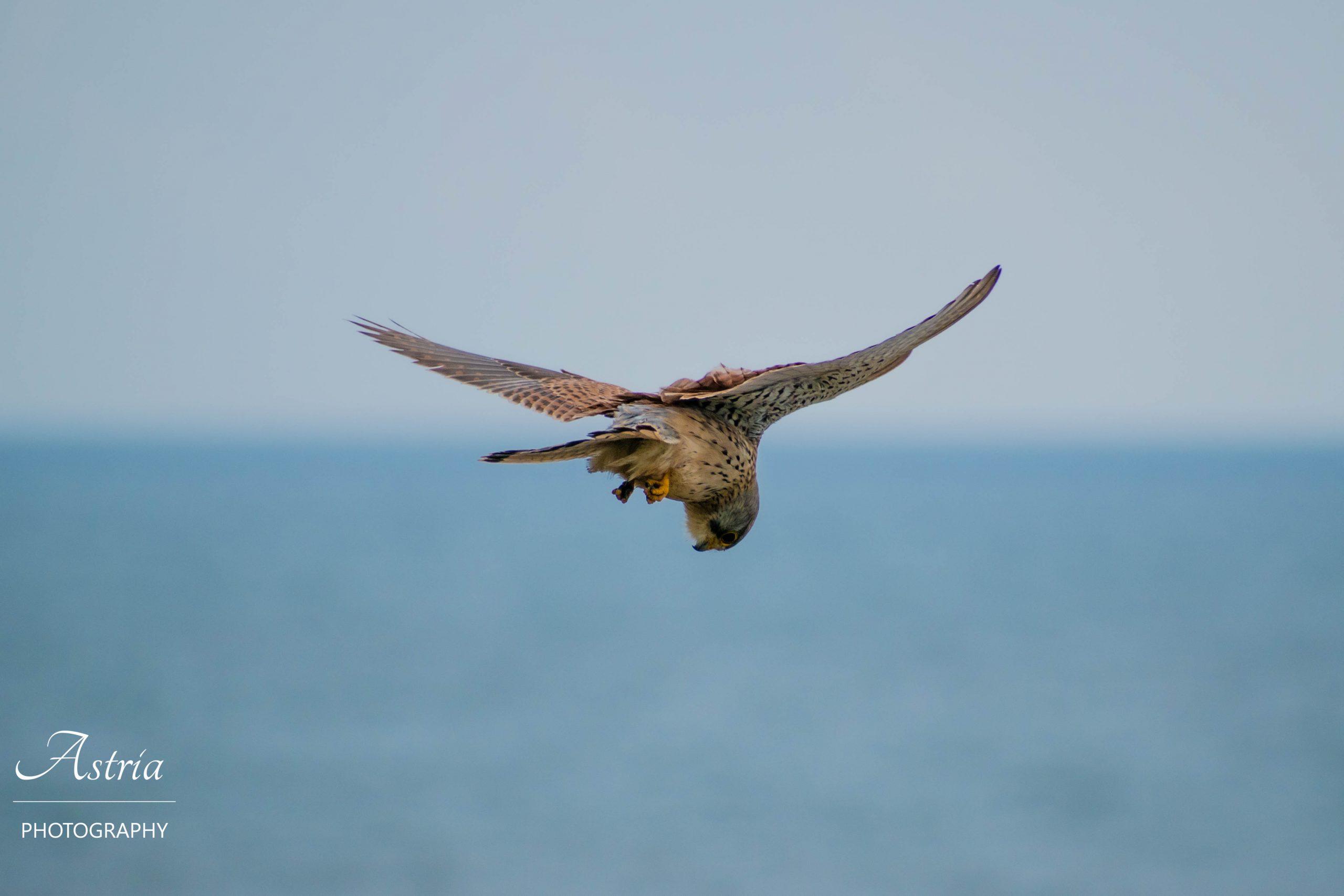
The classic kestrel “hover” lets the bird hold position while scanning the ground for movement. You’ll most often see this over rough grass, set-aside, field edges and verges. A light breeze can help kestrels hover more efficiently; in completely still conditions they may switch to perching more.
Perch-hunting
Perch-hunting is just as important. A kestrel sits on a fence post, telegraph pole, dead tree, gate or other vantage point, watching for a vole or mouse to break cover. Perch-hunting can be especially effective in winter, when birds may conserve energy and wait for a clear opportunity.
Both methods depend on the same underlying requirement: ground that produces rodents but still allows the kestrel to see them. This is why “mousing habitat” tends to be a mosaic—tussocky grass for rodents to live in, but not so dense that everything is hidden all the time.
It also explains why very short, frequently mown lawns are usually poor hunting areas. A close-cut lawn may look “open”, but it often holds fewer voles and provides fewer natural hunting cues. In contrast, a rough grass strip along a fence line or a field margin can be much richer for small mammals and therefore more attractive to kestrels.
For birdwatchers, a useful cue is behaviour: a kestrel repeatedly dropping from a perch into the same patch of rough grass, or hovering along a margin in a slow “search pattern”, is often actively hunting small mammals rather than simply moving through.
Where kestrels deliver the most rodent control in the UK (land types and seasons)
Kestrels are widespread in the UK, but their pest-control value is greatest where habitat and prey line up. In practical terms, they’re most likely to make a noticeable difference in:
- Farms and smallholdings with mixed habitat (rough margins, hedges, field corners, pasture)
- Horse paddocks and grazing land where fence lines and margins provide perches and vole habitat
- Grassland edges around commons, golf courses, airfields and industrial estates (where rough strips remain)
- Road and rail embankments with long grass (often vole-rich), though road risk is a factor
Season matters. During the breeding season, adults feeding chicks make frequent hunting trips, and that increased effort can translate to a higher number of rodents taken locally. In winter, you may see kestrels more easily because vegetation is lower and birds may perch in the open for longer, but snow cover or prolonged heavy rain can make hunting harder by hiding or dispersing prey.
Weather and grass management can change outcomes quickly. If a margin is cut very short at the wrong time, rodent numbers can drop or become harder for kestrels to catch; if grass becomes extremely long and dense, rodents may be abundant but less visible. Aim for structure: patches of tussock, some shorter areas, and edges where movement is easier to detect.
It’s also worth being honest about situations where kestrels are unlikely to “move the needle”. If rodents are mostly inside buildings, under solid floors, or living off constant spillages, the kestrel’s hunting grounds may be effectively separate from the real problem. In those cases, kestrels are still a positive sign of a healthy local ecosystem, but you’ll need to prioritise proofing and hygiene alongside any wildlife-friendly measures.
Encouraging kestrels ethically: habitat tweaks that support hunting (no gimmicks)
If you want kestrels to help with rodent pressure, the most reliable approach is to make the landscape huntable and reduce the incentives that keep rodents close to buildings. Avoid gimmicks such as “feeding” kestrels or trying to lure them with bait; that can cause harm and is unlikely to produce the outcome you want.
Keep or create rough grass margins
Rough margins, grassy banks and field corners are classic vole habitat, and kestrels often patrol these edges. Where you have control over mowing or topping, leaving uncut strips (even relatively narrow ones) can make a real difference. On farms, features like beetle banks and conservation headlands can support small mammals and the food chain kestrels rely on.
Provide safe perches in open ground
Perches help kestrels hunt efficiently. Existing fence posts, gates and isolated trees can be ideal. In some settings, land managers use simple “T-perches” in open ground to provide a vantage point, but think carefully about placement. Avoid encouraging hunting right beside fast roads, and avoid putting perches where they could increase conflict (for example, directly above areas with frequent human activity or sensitive wildlife).
Reduce rodent attractants around buildings
Kestrels work best when rodents are moving naturally across the landscape, not when they’re concentrated around easy food. Securing feed stores, cleaning up spillages, using rodent-proof bins and managing compost access can reduce rodent breeding success. This also makes any predation pressure more meaningful.
Use rodenticides cautiously (secondary poisoning risk)
Where rodenticides are used, there is a well-established concern about secondary poisoning in predators and scavengers that eat affected rodents. If you’re using professional pest control, it’s reasonable to discuss the wider wildlife context and ask about best practice, legal compliance and the safest options for your site. Even if you can’t avoid poisons entirely, improving storage and proofing can reduce how much is needed.
Overall, the ethical goal is simple: support the ecosystem and remove human-created advantages that rodents exploit, rather than trying to “weaponise” a wild predator.
Kestrel nest boxes in the UK: when they help, when they don’t
Nest boxes can help kestrels in some places, but they’re not a shortcut to rodent control. A box is most likely to be beneficial where there are few natural nesting sites (such as suitable trees, old crow nests or buildings) and there is good hunting habitat nearby.
Before putting up a kestrel box, consider the basics:
- Location: quiet, low disturbance, with a clear approach flight path
- Nearby habitat: open ground with rough grass margins and field edges within easy reach
- Safety: avoid obvious predator access routes and avoid placing boxes where people will be tempted to check them frequently
Be mindful of legal and welfare considerations. Disturbing nesting birds can be an offence, and even well-meaning checks can cause stress or abandonment. If you’re not experienced, it’s often better to install a box outside the breeding season and then leave it alone, observing from a distance.
Most importantly: even if a box is occupied, it doesn’t guarantee fewer rodents where you want them. Kestrels hunt where prey is easiest to catch, not where humans would prefer they hunt. Think of nest boxes as conservation support first, with rodent control as a possible secondary benefit.
Watching kestrels for pest-control behaviour: practical birding tips (UK)
If you want to understand kestrels as pest controllers, watching their hunting is far more informative than a quick sighting. You’re looking for repeated hunting behaviour in the same area over time.
Where to look
In much of the UK, kestrels are easiest to watch along farmland edges, commons and open country with hedges and fences. Motorway and A-road verges can hold hovering kestrels too, but safety comes first—use safe, legal pull-ins and never stop dangerously. Coastal grazing marshes and big open fields after harvest can also be productive because prey is more exposed.
When to watch
Early morning and late afternoon often bring the best hunting activity. On breezier days you may see more hovering; on cold, still days you may see more perching. After cutting or harvesting, watch field margins and nearby rough ground where rodents may be shifting cover.
How to watch without disturbance
Binoculars are usually enough; a scope helps if you’re watching a distant hedge line. If you’re near a road, staying in the car can act as a convenient hide. On foot, keep your distance and avoid walking directly towards a hunting bird—kestrels often tolerate people at a distance but will move on if repeatedly flushed.
To record what’s happening, note simple observations: how long a kestrel hunts a particular margin, whether it returns to the same perch, and whether you see prey-carrying flights (often straight, purposeful lines). If you’re interested in documenting behaviour hands-off, a bird trail camera positioned well away from a perch area can sometimes capture activity without you being present—see Bird Trail Cameras for ideas on using cameras responsibly.
Kestrels vs other “pest controllers”: what makes them different
Kestrels are “pest controllers” in a very specific sense: they mainly target small mammals in open habitats. That makes their role different from insect specialists such as swallows, which reduce flying insects around farmland and settlements. If you’re comparing the two, it’s best to see them as complementary parts of a healthy landscape rather than rivals. (If your interest is insects rather than rodents, see The Ecological Importance of Swallows: Nature’s Pest Controllers.)
Other birds can also influence “pest” species in different ways, but kestrels are distinctive because they combine regular hunting with a strong preference for vole-and-mouse-rich ground. If you manage habitat for kestrels, you’re usually improving conditions for a wider range of wildlife too.
FAQs about kestrels and rodent control
Do kestrels eat rats?
Sometimes, but usually not as a main prey item. Kestrels are far more likely to take voles and mice. They may take young or small rats if those are exposed in daylight and in open ground, but they’re not a reliable “rat solution” for buildings or yards.
Will a pair of kestrels solve my mouse problem?
They can help reduce pressure in nearby fields, margins and rough grass, especially when feeding chicks. But indoor or yard-based mouse problems typically need proofing, secure food storage and good hygiene as the first line. Kestrels are best seen as part of a broader, preventative approach.
Are kestrels active at night?
Kestrels are mainly daytime hunters. If your rodent activity is mostly nocturnal, other predators (particularly owls) may be doing more of the hunting after dark, while kestrels contribute through daylight hunting.
Is it legal to encourage kestrels?
Encouraging kestrels through habitat management—leaving margins, retaining perches, improving biodiversity—is generally fine. What you must avoid is disturbing nesting birds or handling them, and you should be cautious around nest sites during the breeding season. If in doubt, keep your distance and seek advice from local conservation guidance.
Are kestrels declining in the UK?
Kestrel numbers and local trends can vary by region and over time, influenced by land use, prey availability and other pressures. If you’re concerned about your local area, it’s worth checking recent information from reputable conservation sources and contributing your sightings to recording schemes where you can.
Final thoughts
Kestrels really can contribute to rodent control in the UK—mainly by taking voles and mice from rough grass margins, field edges and open ground. The best results come from realistic expectations: kestrels apply steady predation pressure, but they won’t eradicate a serious rodent issue, especially one centred inside buildings.
If you want practical next steps, pick one habitat action and one monitoring action. For habitat, leave a rough grass strip or ensure there are safe perches overlooking open ground. For monitoring, spend 20 minutes a week watching a likely margin and note repeated hunting, perch use and prey-carrying flights. Over time, you’ll build a clearer picture of whether kestrels are working your area—and you’ll be supporting a classic British raptor in the most ethical, effective way.