
Nutty Delights: 8 Nuts Birds Love to Munch On
Nutty delights: 8 nuts birds love to munch on—UK guide to safe feeding, best nuts for garden birds, plus storage, feeders and species tips.
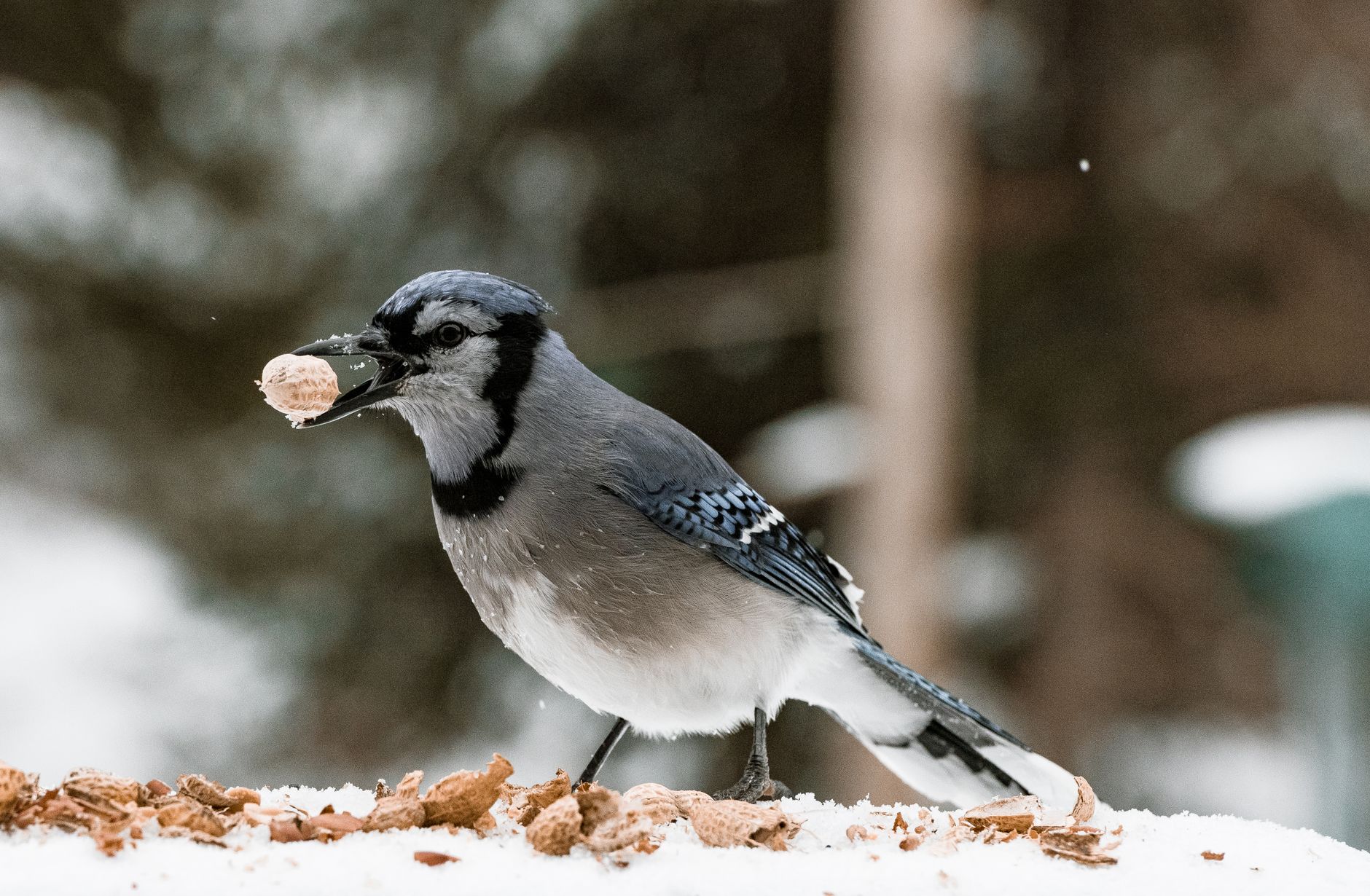
Nutty Delights: 8 Nuts Birds Love to Munch On (UK Guide to Safe Feeding)
If you’re standing in the supermarket aisle wondering which nuts are actually safe (and worth the money) for garden birds, you’re not alone. This UK guide to nutty delights: 8 nuts birds love to munch on gives you a simple route to good choices: start with an unsalted, unflavoured nut (or “nutty” alternative), match the size to the bird and the feeder, and only put out fresh food in small amounts. Below you’ll find eight popular options, which UK birds tend to go for each one, and exactly how to offer them safely—plus quick tips on feeders, placement and storage so you don’t waste food or risk harm.
Quick safety checklist before you put out any nuts
Choose the right type (unsalted, no coatings, no mixed snack nuts)
For wild birds, the rule is straightforward: plain, unsalted and unflavoured. Avoid anything sold as a human “snack” nut mix, as these are often salted, roasted in oil, smoked, chilli-coated or otherwise seasoned. Salt and flavourings can upset birds’ digestion, and oily coatings can go rancid quickly outdoors.
Look for bird-food grade nuts where possible, or plain nuts from a supermarket that list nothing but the nut itself. If you’re buying in bulk (common for peanuts and sunflower hearts), check the packaging for a decent best-before date and keep the bag sealed between top-ups.
Whole, chopped or crushed? (match nut size to bird/feeder)
Different birds handle food differently. Tits and nuthatches can chip away at small pieces, while corvids (crows, magpies and jays) will happily carry off bigger chunks. For garden feeding, the safest default is chopped or crushed pieces unless you’re using a purpose-made feeder designed for whole nuts (such as a metal mesh peanut feeder).
As a practical guide: use whole peanuts only in a proper peanut feeder; use chopped pieces for tray feeders; and keep small, crumb-like pieces if you’re sprinkling on a ground feeder. If you’re ever in doubt, go smaller—birds can always take multiple bites.
Storage & freshness (dry, cool, mould check; rotate little-and-often)
Nuts are high in fat, which is exactly why birds love them—especially in cold UK weather. The downside is that they can spoil. Store nuts in a cool, dry place in an airtight container. If you buy large quantities, consider splitting into smaller containers so you’re not repeatedly opening the main supply.
Before filling a feeder, do a quick check: any musty smell, visible mould, webbing, or shrivelled pieces are a sign to bin the batch. Put out small amounts little-and-often, particularly in mild, damp spells when food can deteriorate faster.
Nutty delights: 8 nuts birds love to munch on
Peanuts (monkey nuts or peanut kernels)
Peanuts are one of the most effective high-energy foods for UK gardens and are particularly popular with great spotted woodpeckers, blue tits, great tits, coal tits and nuthatches. You’ll often see birds cling to the feeder and hammer away, especially in winter. The catch is that peanuts also attract squirrels, so a squirrel-resistant setup can be worthwhile.
How to serve: Use a wire-mesh peanut feeder designed for whole peanuts; it makes birds work in small bites and reduces choking risk. Crushed peanuts can be offered on a tray, but clear away damp leftovers quickly.
Buy/avoid: Choose plain peanuts intended for birds or 100% peanuts from the supermarket. Avoid salted, honey-roasted, spiced or mouldy peanuts.
Sunflower hearts (not a true nut, but a top “nutty” bird food)
Strictly speaking, sunflower hearts are seeds rather than nuts. However, many people searching for “nutty” bird foods mean the rich, oily foods that birds go mad for—and sunflower hearts are one of the best-value choices for attracting a wide range of UK garden birds. Expect interest from finches (including greenfinch and chaffinch), house sparrows, and many tits; robins may take them from a tray or ground feeder.
How to serve: Use a tube feeder for clean, efficient feeding, or a tray feeder if you want to watch birds feed more openly. Hearts create less mess than black sunflower seeds because there are no husks.
Buy/avoid: Buy hearts (kernels) rather than coated “treat mixes”. Keep them dry; damp hearts can clump and spoil.
Hazelnuts
Hazelnuts are a classic woodland food and can be a brilliant addition if you’re hoping to tempt birds beyond the usual feeder regulars. In the UK, nuthatches often take to chopped hazelnut pieces, and jays may cache larger chunks if you have nearby trees. Great tits will also tackle small pieces, especially when other high-fat foods are scarce.
How to serve: Offer chopped hazelnuts on a tray feeder or in a mesh feeder that can hold small pieces securely. If you’re lucky enough to get jays, you can try larger chunks (or even in-shell in some areas), but expect them to disappear quickly.
Buy/avoid: Only use plain hazelnuts. Avoid chocolate-coated, caramelised or flavoured nuts, and discard anything that smells stale.
Walnuts
Walnuts are a favourite with larger, clever birds, and they can be especially good if you want to attract jays, magpies or carrion crows. You may also see a great spotted woodpecker take an interest if walnuts are offered in manageable pieces. Walnuts are energy-dense, so a little goes a long way.
How to serve: Break walnuts into small chunks and offer them on a tray feeder or in a ground feeder that’s easy to clean. In wet weather, put out only what will be eaten promptly, as walnut pieces can go soft and spoil.
Buy/avoid: Avoid salted walnuts and any “flavoured” packets. If walnuts smell bitter or “paint-like”, they may be rancid—better to bin them than risk wildlife eating them.
Almonds
Almonds can be a useful alternative when you want a plain, high-energy food that’s easy to portion. In many UK gardens they’ll appeal most to larger tits and nuthatches, with the occasional jay taking pieces if available. Because almonds are hard, they’re best used as chopped pieces rather than whole nuts.
How to serve: Offer chopped or slivered plain almonds on a tray feeder. If you only have whole almonds, crush them with a rolling pin (inside a clean tea towel) into small fragments. This makes them easier to eat and reduces the chance of a bird trying to swallow an awkward piece.
Buy/avoid: Use only plain almonds. Avoid smoked, salted, honey-roasted or cocoa-dusted almonds, and steer clear of any mixed snack tubs.
Cashews
Cashews are soft compared with many nuts and can be eaten readily when offered in tiny pieces. In practice, they tend to be taken by opportunistic species—often corvids first—though tits may sample them if they’re finely chopped and offered alongside familiar foods. Cashews are usually pricier than peanuts or sunflower hearts, so they work best as an occasional treat rather than a mainstay.
How to serve: Chop into very small pieces and offer on a tray feeder. Because cashews are rich, keep portions modest and top up fresh rather than leaving a big pile outside.
Buy/avoid: Avoid salted cashews and any roasted-in-oil or spiced varieties. Plain cashews only, and bin any that smell stale.
Brazil nuts
Brazil nuts are extremely energy dense and are generally best reserved for larger birds in small amounts. In UK gardens, you’re most likely to see interest from jays, crows and magpies—especially if you present brazil nuts as small chunks they can handle easily. They’re not usually the most cost-effective choice for routine feeding, but they can be a handy “special” option if you already have them and they’re plain and fresh.
How to serve: Only offer crushed pieces on a tray feeder, and put out a small portion that will be taken quickly. Whole brazil nuts are too large for most smaller garden birds and can encourage greedy grab-and-go behaviour from larger species.
Buy/avoid: Avoid salted nuts. Don’t use old, stale brazil nuts—because of their fat content they can go rancid, particularly once a pack has been open for a while.
Pine nuts
Pine nuts are small, rich and highly palatable—often treated as a premium food. They can tempt tits and nuthatches, and they’re useful if you want a smaller “nut” option that doesn’t need cracking or heavy chopping. If you’ve ever wondered, “can birds eat pine nuts?”—yes, plain pine nuts are generally fine as an occasional food, provided they’re fresh.
How to serve: Sprinkle a small pinch on a tray feeder or ground feeder (cleaned regularly), or mix with sunflower hearts to spread the cost. Because pine nuts are small, they can also be useful when you want to offer nutty energy without big chunks.
Buy/avoid: Pine nuts can go rancid relatively quickly. Avoid old stock and store them carefully sealed in a cool cupboard (or the fridge if you’ve bought a large bag).
Which nuts attract which UK birds? (quick match-up mini-guide)
If you want quick results, choose one “crowd-pleaser” and one “target” nut. The exact visitors will depend on what species live near you, but these pairings are a helpful starting point.
- For woodpeckers: Peanuts in a mesh peanut feeder are hard to beat, especially in colder months.
- For tits (blue, great, coal): Peanuts (proper feeder) and sunflower hearts are reliable; pine nuts can be a premium extra.
- For nuthatches: Peanuts, chopped hazelnuts and pine nuts tend to work well where nuthatches already occur locally.
- For jays: Walnuts and hazelnuts (in chunks) are often taken and cached; peanuts can also draw them in.
- For finches and sparrows: Sunflower hearts are the main “nutty” option here; most finches won’t tackle big nut chunks.
- For magpies and crows: Walnuts, brazil nut pieces and cashew fragments can be taken quickly—use small portions to avoid them clearing the table.
One practical tip: if you’re not seeing the species you hoped for, it’s not necessarily your nut choice. It may simply be that those birds aren’t common in your neighbourhood, or they prefer a different feeder position (more cover, quieter corner, or higher up).
How to feed nuts in a UK garden (feeders, placement and timing)
Best feeders for nuts (mesh peanut feeder vs tray vs ground feeder)
A mesh peanut feeder is the safest and most efficient way to offer whole peanuts, encouraging birds to take tiny pieces rather than trying to swallow large chunks. For chopped nuts (walnut, hazelnut, almond, cashew), a tray feeder is simple and great for viewing—just remember it needs regular cleaning. A ground feeder can work for smaller pieces and pine nuts, but hygiene matters more because damp and droppings build up faster.
Where to place feeders (cover, height, predators, window safety)
Place nut feeders where birds have a clear view but can dart to cover—near a hedge or shrub is ideal. Keep feeders high enough to reduce risk from cats and position them so birds aren’t forced to feed on open ground unless you’re using a dedicated ground-feeding area. If you have large windows nearby, consider moving feeders either very close to the glass (to reduce impact speed) or further away, and use deterrents if strikes are a concern.
How much and when (little-and-often; winter boost; spring sizing)
Nuts are most valuable in colder weather when birds need concentrated energy. In mild, wet spells, smaller top-ups help prevent food spoiling. During spring and early summer, if you’re feeding peanuts, it’s sensible to ensure they’re offered in a way that forces birds to take small pieces (a proper feeder or crushed pieces), rather than leaving large chunks freely available. Year-round feeding can work well in the UK, but cleanliness and freshness are what keep it safe.
Common questions (UK-focused)
Can birds eat pine nuts? Yes—plain pine nuts are generally fine in small amounts. They’re rich, so offer a pinch at a time and store them well so they don’t go rancid.
Do birds eat walnuts? Many do, especially jays, crows and magpies. Break walnuts into small chunks and put out only what will be taken quickly in damp weather.
What nuts can birds eat? Plain, unsalted nuts such as peanuts, hazelnuts, walnuts, almonds, cashews, brazil nuts and pine nuts can be offered safely when fresh and appropriately sized. Avoid coated, salted or mouldy nuts.
Are roasted nuts OK? Dry-roasted, unsalted nuts can be acceptable, but avoid nuts roasted in oil or with flavourings. When in doubt, choose raw/plain.
What about squirrels? Nuts can attract squirrels quickly. If they’re a problem, use squirrel-resistant feeders, place feeders away from launching points, and consider offering less-coveted foods or smaller amounts more often.
Final thoughts
For a practical answer to nutty delights: 8 nuts birds love to munch on, stick to the eight options above and keep the basics consistent: plain, unsalted, fresh and size-appropriate. If you want the simplest “starter set”, begin with peanuts in a proper mesh feeder and sunflower hearts for broad appeal. Then add a targeted option—walnut or hazelnut if you’d like to tempt jays and nuthatches, or pine nuts as a small premium treat. Top up little-and-often, keep feeders clean, and watch which species turn up so you can refine your mix through the seasons.


