
The Essential Bird-Watching Outfit: A Guide to Vests and More
Build the essential bird-watching outfit: a guide to vests and more, with UK-ready tips on layers, footwear and what to carry.
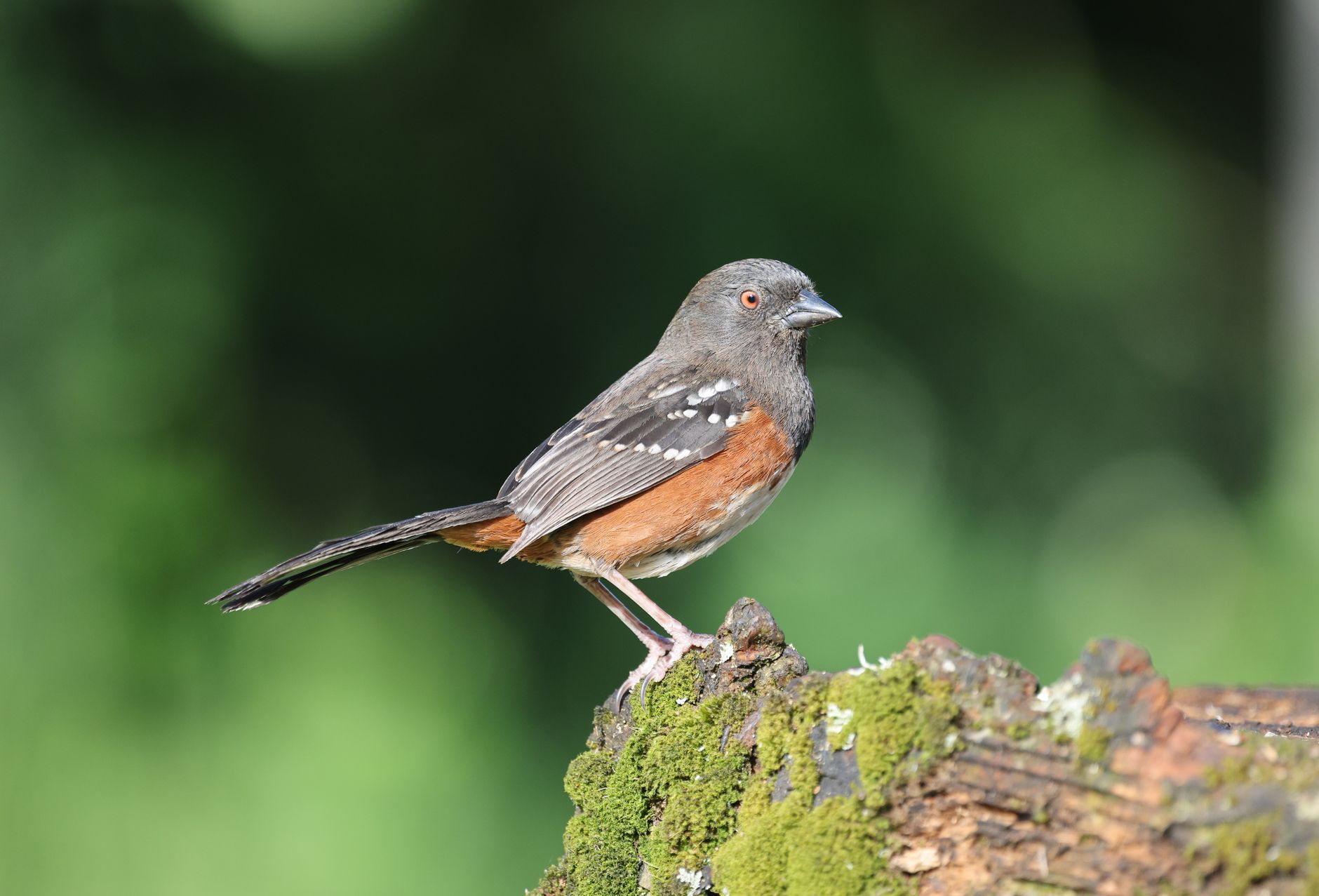
If you’ve ever turned up to a UK reserve under-dressed (cold hands, soggy socks) or over-loaded (rucksack digging in, pockets bulging), you already know the real problem: what should you actually wear and carry for birdwatching? This update gives you a practical path. Start by choosing the right bird-watching vest (or a better alternative for your patch), then build a simple UK layering system, pick footwear for mud and coastal spray, and finish with a short “default kit” you can grab on the way out.
the essential bird-watching outfit: a guide to vests and more
This “essential outfit” is a hands-free, weather-proofed system for UK birding, built around easy access to binoculars and the small items you use constantly. It suits everyone from garden birders to coastal walkers—because our conditions change fast, and comfort keeps you watching for longer.
The bird-watching vest: what it should do
Pocket layout that works
A good birding vest should stop you rummaging. Look for a mix of large, easy-entry pockets (snacks, compact guide, gloves) plus at least one secure zipped pocket for keys/cards. Handy homes include: a phone/notebook pocket, a soft spot for a lens cloth, and somewhere you can reach one-handed while holding bins. If you’re learning fieldcraft, keeping notes helps—just don’t overpack the pockets until the vest hangs awkwardly.
Fabric, breathability and quietness
UK birding often means stop-start walking, so prioritise breathable, quick-drying fabric and consider mesh panels for warm days. Quiet materials matter in woodland hides and close-range garden watching; avoid anything that loudly rustles when you raise binoculars. Water resistance is a bonus, but a vest is rarely your main waterproof layer.
Fit and layering
Try a vest on over the mid-layer you’ll actually wear (usually a fleece in spring/autumn). Check armholes don’t rub when you lift binoculars, and ensure the hem doesn’t snag on a belt or camera strap. Adjustable sides help, and women’s-specific cuts can sit better across the chest without pulling at the zip.
Vest vs jacket vs backpack (when each wins)
Vest: best for warm, settled days at a reserve when you want quick access and minimal sweat. Jacket:</strong wins in cold, windy or wet weather—pair it with a small pack so you’re not cramming waterproofs into pockets. Backpack:</strong best for longer coastal walks and big days out; combine with a light vest or just a binocular harness so your chest stays clear.
The “more”: core clothing that completes the outfit
Use a simple UK layering system: base layer (wicks sweat), mid-layer (fleece or light insulated jacket), and a shell (proper waterproof/windproof). Add a warm hat for winter hides, thin gloves for dexterity, and a brimmed cap for sun and drizzle. If you’re likely to stop for long periods, consider an extra warm layer you can throw on quickly. If you jot down calls and behaviours, you may find it useful to brush up on birding terms in our Birdwatching Glossary.
Footwear and trousers for UK terrain
For wet grass, mud and winter paths, waterproof boots with decent tread are the safest “default”. Trail shoes can work in summer, but they’re less forgiving on slick hides and churned-up gateways. Choose quick-drying trousers and consider lightweight gaiters if your patch is regularly soaking at ankle height.
Small accessories that make a big difference
A buff or neck gaiter covers drafts; a small sit-mat helps in cold hides. Carry insect repellent when needed (ticks and midges vary by area—check local guidance) and consider a binocular harness if neck strain is a problem. A microfibre cloth in an easy pocket is worth its weight on sea-spray days.
Quick packing list for a UK birding session
- Binoculars + lens cloth
- Phone/notes + pen
- Water + small snack
- Waterproof shell (or compact brolly)
- Warm layer (seasonal)
- ID/cards + keys (zipped pocket)
</ul
