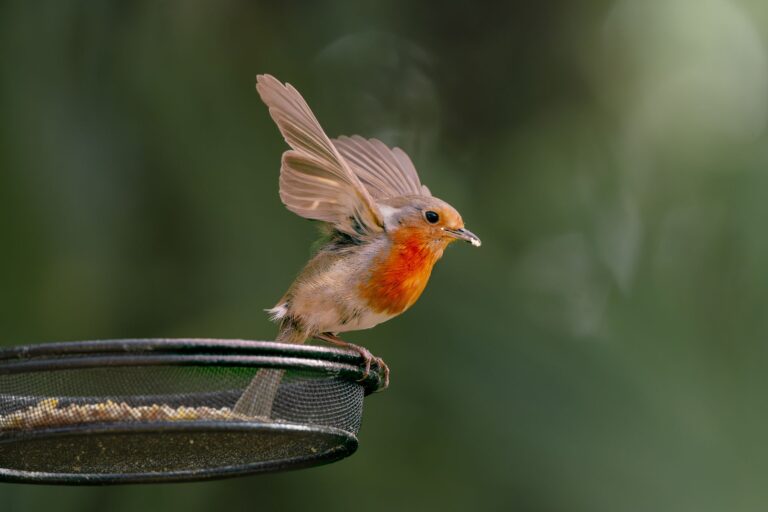
Top 10 Fruits birds like to snack on
Discover the top 10 fruits birds like to snack on, plus safe prep tips and the UK garden species you’ll attract with each fruit.
Top 10 Fruits Birds Like to Snack On (UK Garden Birds + Safe Feeding Tips)
If you’re wondering which fruit will actually get eaten (rather than going mushy on the patio), this guide to the top 10 fruits birds like to snack on gives you a practical, UK-garden list you can use today. The quickest way to start: pick one soft fruit (like berries or banana) and one reliable staple (like apple), wash them, cut into bird-friendly pieces, and put them on a clean ground tray or platform feeder. Offer small amounts, check after a few hours, and remove leftovers daily so they don’t ferment or attract unwanted pests. Below you’ll find exactly which birds tend to take each fruit, how to prepare it, when to offer it, and what to avoid.
Top 10 fruits birds like to snack on (quick overview)
- Apples (and pears) – best all-rounder for blackbirds and thrushes; offer halves or slices, remove mouldy bits.
- Bananas – soft and easy for starlings/blackbirds; peel and chop, replace often.
- Grapes (seedless) – high appeal for starlings; halve lengthways to reduce choking risk.
- Berries (blueberries, strawberries, raspberries, blackberries) – brilliant for thrushes/robins; fresh or defrosted.
- Cherries (pitted) – sweet summer treat; remove stones and offer halves.
- Plums (and damsons) – great use of windfalls; halve and remove the stone.
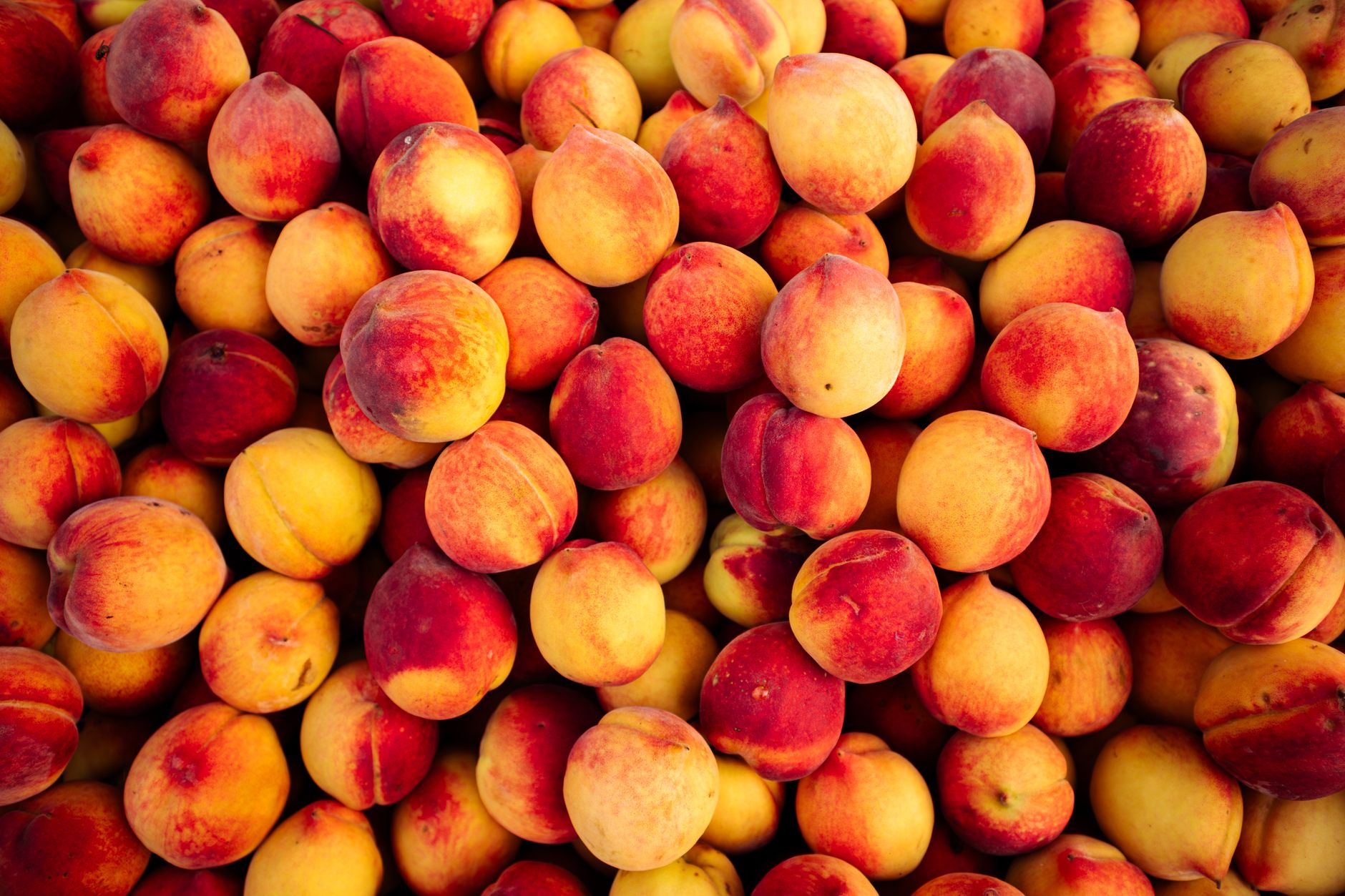
- Peaches & nectarines (stone removed) – soft, fragrant, but messy; offer slices on a tray.
- Oranges – occasional taker in many UK gardens; halve and secure on a spike/platform.
- Melon (watermelon, honeydew) – hot-weather hydration snack; small cubes, remove rind later.
- Raisins, sultanas & currants (dried fruit) – very popular; soak first and serve in small amounts.
1) Apples (and pears)
Why they work: Apples are one of the most reliable fruits for UK gardens because they’re easy to find, cheap, and last long enough for birds to discover them. Pears can be offered the same way, especially if you have windfalls.
Likely takers: Blackbirds, song thrushes and mistle thrushes are the classic apple visitors. Starlings will also peck at apple on a tray, and you may occasionally see a robin taking tiny bits if the pieces are small and soft.
How to serve apples safely: Wash first, then offer either halves (great for windfalls) or slices on a ground tray or platform feeder. If the apple is very firm, slicing helps birds get started; if it’s already soft, halves work well. The key is freshness: cut away bruised areas and don’t put out anything mouldy.
When to offer: Apples are useful year-round, but they really shine in autumn and winter when natural berries are scarce and thrushes are actively searching lawns and borders for food.
What to avoid: If the fruit has begun to ferment (you’ll notice a strong smell or very sloppy texture), bin it rather than feeding it. Also avoid leaving large piles out: one or two halves is plenty, topped up little and often.
2) Bananas
Why they work: Bananas are soft, sweet and easy to eat—ideal for species that like a quick, calorie-rich snack. They can be a great way to use up fruit that’s gone overripe in the bowl.
Likely takers: Blackbirds and starlings are the most likely visitors, with starlings often arriving in groups. If you regularly see starlings in your garden, our starlings: FAQ and guide explains their feeding habits and why they can dominate a food source.
How to serve bananas safely: Peel the banana and cut it into thick slices or chunks. Put pieces on a platform feeder or ground tray. Bananas go brown quickly, so offer small amounts and replace more often than you would with apple. If you want less mess, choose a slightly firmer banana rather than one that’s liquid-soft.
When to offer: Any time, but especially after storms or during cold snaps when birds are burning more energy. Soft fruit can help birds refuel quickly.
What to avoid: Don’t leave banana out overnight or in warm weather for long periods—overripe banana can turn and ferment, and it also draws insects. If wasps are a problem, remove leftovers promptly.
3) Grapes (seedless)
Why they work: Grapes are an easy “instant win” for many gardens: they’re juicy, sweet and very attractive to birds that like soft fruit. The main thing is to serve them in a safe way.
Likely takers: Starlings and blackbirds are the most common grape fans. Robins can take tiny bits, but they’re less likely to tackle whole grapes.
How to serve grapes safely: Choose seedless grapes and cut them in half lengthways before putting them out. Halving makes them easier to peck and helps reduce the risk of a bird trying to swallow a round piece whole. Offer on a tray or in a shallow dish on the ground. Fresh is best—avoid sticky, shrivelled grapes that have started to turn.
When to offer: Grapes can be particularly useful in late summer and early autumn when young birds are still learning what’s edible and readily available, easy foods help them build condition.
What to avoid: Don’t substitute dried grapes here (raisins/sultanas) without prep—see dried fruit tips below. Also avoid putting out grapes coated in anything (for example, from a fruit salad with added sugar).
4) Berries (blueberries, strawberries, raspberries, blackberries)
Why they work: Many UK garden birds naturally eat berries from hedgerows and shrubs, so shop-bought berries can be a very natural-feeling offering—especially when offered in small amounts, fresh and clean.
Likely takers: Blackbirds and thrushes are the obvious candidates, and they often take berries readily from a ground tray. Robins may pick at smaller soft pieces, especially if you chop a strawberry into thin slices. Starlings will also take berries, sometimes very enthusiastically.
How to serve berries safely: Wash berries to remove dirt and any residues. You can offer small berries whole (blueberries, raspberries) and slice strawberries so birds can peck without dragging them away. Check for hidden mould—soft fruit can spoil quickly, especially if it gets wet.
Frozen berry tip: Frozen berries can work well if you defrost them fully first and offer just a tablespoon or two at a time. Defrosted berries can be very sloppy, so a shallow dish on a platform feeder is usually cleaner than scattering them on the ground.
When to offer: Berries are excellent in spring and summer when birds are busy and visiting gardens frequently, but they’re also valuable during autumn when hedgerow supplies come and go. If you spot thrushes in the garden after a cold night, berries and apples are often taken quickly.
What to avoid: Avoid berries that are already “fuzzy” with mould, and don’t leave them out in a thick layer. Soft fruit that sits in puddles becomes a hygiene issue fast—thinly spread portions are best.
5) Cherries (pitted)
Why they work: Cherries are a high-reward treat—sweet and soft—but they require careful prep because of the stone.
Likely takers: Blackbirds and starlings are the most likely to investigate cherries, especially if they’re already halved and easy to access.
How to serve cherries safely: Remove the stones (pit them) and offer the flesh in halves on a tray. If you have very soft cherries, you can chop them into chunky pieces to reduce mess and make them easier for smaller birds to take.
When to offer: Mostly a summer option, when cherries are in season and you may have leftovers that are a bit too ripe for the fruit bowl but still fine.
What to avoid: Never put out whole cherries with stones. Also be strict about freshness—cherries can turn quickly, and fermented fruit is not something you want birds feeding on.
6) Plums (and damsons)
Why they work: Plums and damsons are excellent for using up windfalls. They’re soft enough for birds to peck easily, and they can be very attractive in late summer and autumn.
Likely takers: Blackbirds and thrushes often take plum flesh readily. If you have a regular ground-feeding crowd, you may see several birds sharing a tray.
How to serve plums safely: Wash, then halve and remove the stone. Offer halves cut-side up so birds can start feeding without the plum rolling around. Very ripe plums can be messy, so a wipe-clean tray or dish helps.
When to offer: Late summer into early autumn, especially after wet weather when natural foraging is harder.
What to avoid: Don’t offer plums that are leaking, fizzy-smelling, or covered in mould. Also avoid leaving plum stones where pets could find them—clear up after feeding time.
7) Peaches & nectarines (stone removed)
Why they work: These soft stone fruits can be very appealing, particularly when they’re ripe and fragrant. They’re not as common as apples in bird-feeding, but they can work well as an occasional treat.
Likely takers: Blackbirds and starlings are the main candidates. If your garden gets busy, you may also attract larger opportunists such as the carrion crow, which can quickly clear a feeding station if portions are too generous.
How to serve safely: Remove the stone and offer slices on a tray. If the fruit is very juicy, place it somewhere easy to clean. A shaded spot can slow down spoilage in warm weather.
When to offer: Summer and early autumn, when you’re more likely to have ripe peaches/nectarines to use up.
What to avoid: Watch for wasps and flies around sticky fruit. If insects become a problem, reduce the amount you put out and remove leftovers sooner.
8) Oranges
Why they work: Oranges are a well-known bird food in some countries, but in many UK gardens they’re an “occasional” rather than a guaranteed hit. Still, they’re worth trying—especially if you want variety during winter.
Likely takers: Blackbirds are the most likely to sample orange, and starlings may investigate too. Don’t be discouraged if it’s ignored at first—birds often need time to recognise a new food source.
How to serve oranges safely: Cut an orange in half and place it cut-side up on a platform feeder or push it onto a feeder spike if you use one. You can also quarter it for easier access. If the peel is waxy or you’re unsure, wash the outside before cutting.
When to offer: Best in cold weather when food is harder to find and birds are checking feeding stations more frequently.
What to avoid: Don’t leave orange out until it goes slimy. Citrus can deteriorate quickly once opened, particularly in mild, damp conditions.
9) Melon (watermelon, honeydew)
Why they work: Melon is mostly water, so it’s not the highest-energy option, but it can be a useful hot-weather snack and may tempt birds looking for moisture.
Likely takers: Blackbirds and starlings are the most likely. In very warm spells, you may see birds taking melon pieces alongside normal food.
How to serve melon safely: Offer small cubes on a clean tray. Remove seeds where practical, and don’t leave the rind sitting out for long—wet melon remnants can quickly become unhygienic. Keep portions small and refresh often.
When to offer: During warm, dry spells—especially if your garden is sun-baked and natural puddles have dried up. Melon can complement (not replace) a reliable fresh water source.
What to avoid: Don’t put out melon that’s already “fizzy” or smells alcoholic. Also avoid large chunks that birds have to tug at—smaller cubes are safer and cleaner.
10) Raisins, sultanas & currants (dried fruit)
Why they work: Dried fruit is one of the most popular “fruit” foods in UK gardens because it’s easy to store, quick to put out, and energy-rich. It’s also widely used in winter feeding, so many birds recognise it readily.
Likely takers: Blackbirds, thrushes and starlings are all keen. Robins may take very small pieces, especially if they’re softened. Dried fruit on the ground can also draw in larger birds, so portion control matters.
How to serve dried fruit safely: The simplest approach is to soak raisins/sultanas/currants in water for a short time until they plump up, then drain and offer them on a ground tray or platform feeder. Soaking makes them softer and more accessible, particularly for smaller birds. Offer small amounts (a small handful at most) and top up as needed rather than putting out a large pile.
Best times to use it: Dried fruit is especially useful in winter and early spring, when natural food is limited and birds benefit from quick calories. If you’re particularly feeding robins through cold spells, it can help to pair fruit with other suitable foods; our guide to best robin food for winter is a handy next step.
What to avoid (important):
- Don’t offer salted, sugared, chocolate-coated or yoghurt-coated dried fruit (for example, snack mixes).
- Avoid dried fruit mixed with oils or flavourings—keep it plain.
- Don’t let soaked fruit sit out for days; it can sour quickly. Clear it away daily.
- Don’t put out huge quantities that end up wet and trampled—this is where mould and pests become an issue.
How to offer fruit to birds (UK garden set-ups)
Best places to put fruit
Ground tray: This is often the best method for fruit because many fruit-eaters (like blackbirds and thrushes) are comfortable feeding on the ground. Use a shallow tray to keep fruit off wet soil and to make cleaning easier.
Platform feeder: Excellent for soft fruits such as berries, chopped banana and halved grapes. It also helps you monitor what’s being eaten and remove leftovers quickly.
Feeder spikes/hanging options: Great for orange halves or apple halves if you want to keep food away from pets. Make sure fruit is secure so it doesn’t fall and rot underneath shrubs.
Portion sizes and timing
Small portions work best: think one apple half, a small handful of berry mix, or a few halved grapes. Put fruit out in the morning so birds can find it early, and you can remove leftovers before nightfall. After heavy rain, snow, or strong winds, fruit on a tray can be a quick, visible food source while birds re-establish their routines.
Hygiene and pests
Fruit spoils faster than seed, so hygiene is the difference between “helpful snack” and “messy problem”. Clear away leftovers daily, and wash trays with hot water regularly. If you notice rodents visiting after dark, reduce quantities and avoid leaving fruit out overnight. In summer, watch for wasps around bananas and stone fruits; offering smaller amounts and placing food in a slightly shaded spot can help.
Safety checklist: fruit to avoid or prepare with extra care
- Avoid avocado: it’s widely considered unsafe for birds, so it’s best kept off the menu entirely.
- Remove stones and large pips: