What Do Blackbrids Eat
What Do Blackbirds Eat? A Complete Guide to Blackbird Diet and Feeding Habits
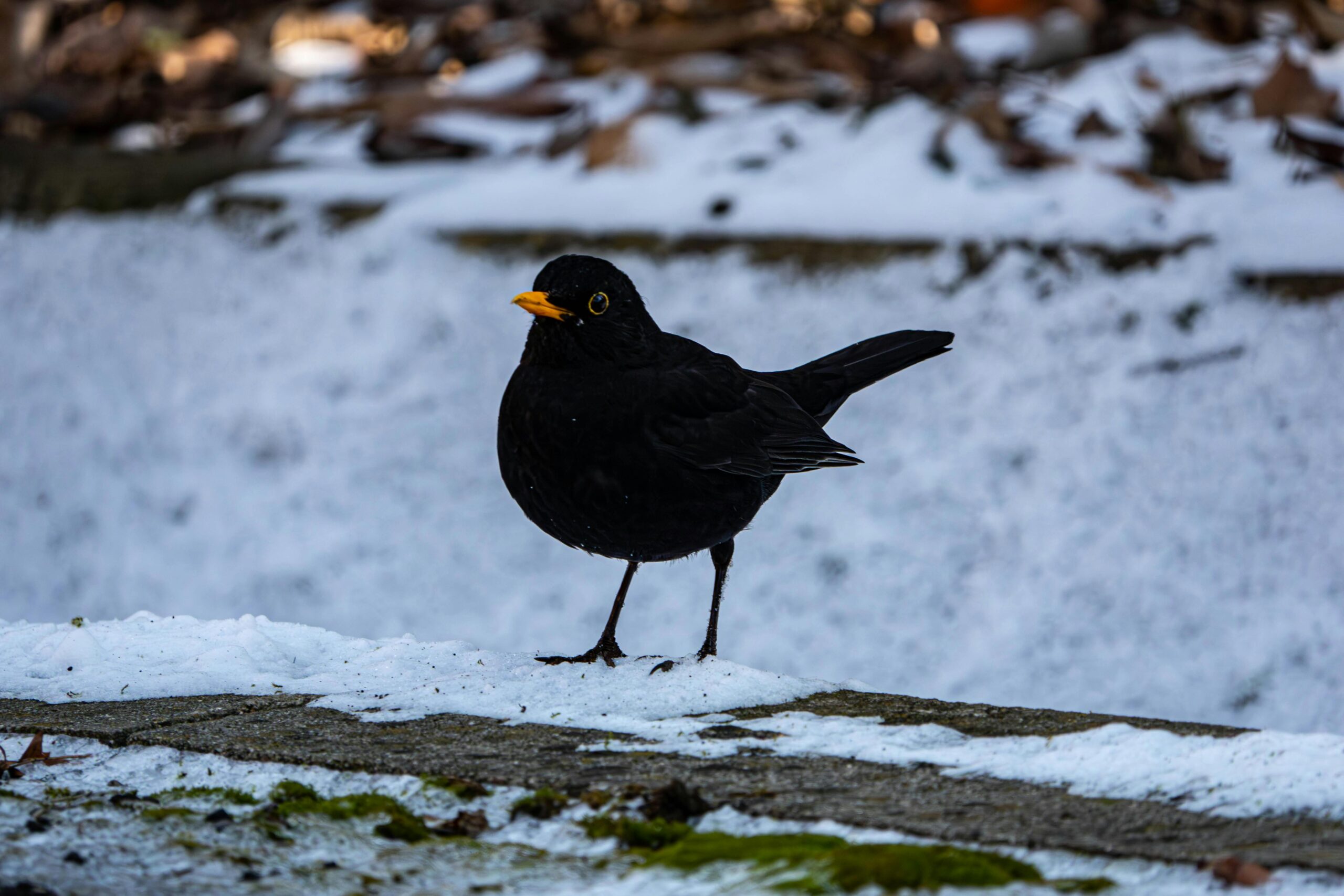
Blackbirds are one of the most familiar and charming birds you’ll spot in British gardens, parks and woodlands. If you’ve ever watched a Turdus merula—the common blackbird—hopping along lawns or foraging in hedgerows, you might have wondered: what do blackbirds actually eat? Understanding their diet not only satisfies curiosity but also helps to create a bird-friendly space in your garden.
In this comprehensive guide, we’ll explore the natural diet of blackbirds, detail what they prefer in different seasons, and how to supplement their food during less abundant times. Whether you’re a keen birdwatcher or someone wanting to support your local wildlife, this guide will help you attract and nourish blackbirds all year round.
Natural Diet of Blackbirds: What They Eat in the Wild
Blackbirds are omnivorous, which means they eat both animal and plant matter. Their diet largely depends on what’s available in their environment, and it varies throughout the year.
Invertebrates: The Mainstay Protein
During the breeding season and early spring, blackbirds focus heavily on protein-rich foods. This primarily means they hunt for invertebrates such as:
- Earthworms (a firm favourite, especially on damp soil)
- Slugs and snails
- Spiders
- Beetles and their larvae
- Ants and caterpillars
These creatures provide the necessary nutrients for raising chicks and maintaining good health. Blackbirds are well known for their skill in probing soft ground and leaf litter to locate earthworms and hidden insects.
Fruits and Berries: Seasonal Treats
As summer and autumn arrive, the diet typically shifts towards fruits and berries. Blackbirds gorge on a wide variety of such natural foods to build up fat reserves for winter months. These include:
- Blackberries
- Elderberries
- Hawthorn berries
- Rowan berries (also known as mountain ash)
- Holly berries (though slightly toxic, blackbirds can safely eat them during colder weather)
- Wild cherries and crabapples
Blackbirds are effective at spotting ripe berries and may visit berry-laden bushes repeatedly during autumn. This fruit-based diet also helps disperse seeds through their droppings—a vital role in the ecosystem.
Seeds and Grains: Lesser but Useful Food Source
While blackbirds are not primarily seed eaters like finches or sparrows, they will eat seeds opportunistically, especially when other food sources are scarce. Garden bird feeders offering mixed seeds can attract blackbirds but with some limitations since blackbirds prefer softer foods.
Feeding Habits Through the Seasons
Blackbird feeding habits vary according to seasonal availability of food, weather conditions and breeding needs.
Spring and Summer
In spring, the focus is on insects and worms, as these provide vital proteins for themselves and their young. This is also when blackbirds become more territorial and spend time on the ground turning over leaves and soil in search of prey.
During summer, they continue feeding their chicks primarily on invertebrates. Fruits start to appear, but the insect diet remains crucial.
Autumn
Autumn is an important time for blackbirds to switch to fruit and berries. They need to build up fat reserves to survive through the winter. This makes berry bushes and hedgerows a popular spot for blackbirds during this period.
Winter
Winter can be tough, with fewer insects and berries available. Blackbirds adapt by:
- Eating fallen fruit
- Foraging on gardens for soft fruits and scraps
- Sometimes eating seeds or nuts, if given
- Visiting garden bird tables for mealworms or soaked dried mealworms
Feeding blackbirds in winter with suitable food can help them survive harsh periods.
How to Attract Blackbirds to Your Garden by Providing Their Favourite Foods
If you want to encourage blackbirds to visit or even nest in your garden, feeding them appropriately is a great way to start.
Best Foods to Offer Garden Blackbirds
- Live mealworms are excellent, especially in colder months. They provide much-needed protein.
- Soft fruits like halved grapes, chopped apples and berries are very popular.
- Raisins or sultanas soaked in water can be a safe natural treat.
- Unsalted peanuts and sunflower hearts can be offered but must be fresh and dry.
- Suet pellets or suet trimmings provide energy in winter but choose products specifically safe for wild birds.
Foods to Avoid
Avoid bread or processed foods, which provide poor nutrition. Also avoid salty or sugary foods, and keep in mind that blackbirds do not generally eat milk or dairy products.
Where to Put the Food
Blackbirds feed mainly on the ground, so scatter food on the lawn or on a low tray feeder. They prefer open, safe spaces where they can keep watch for predators.
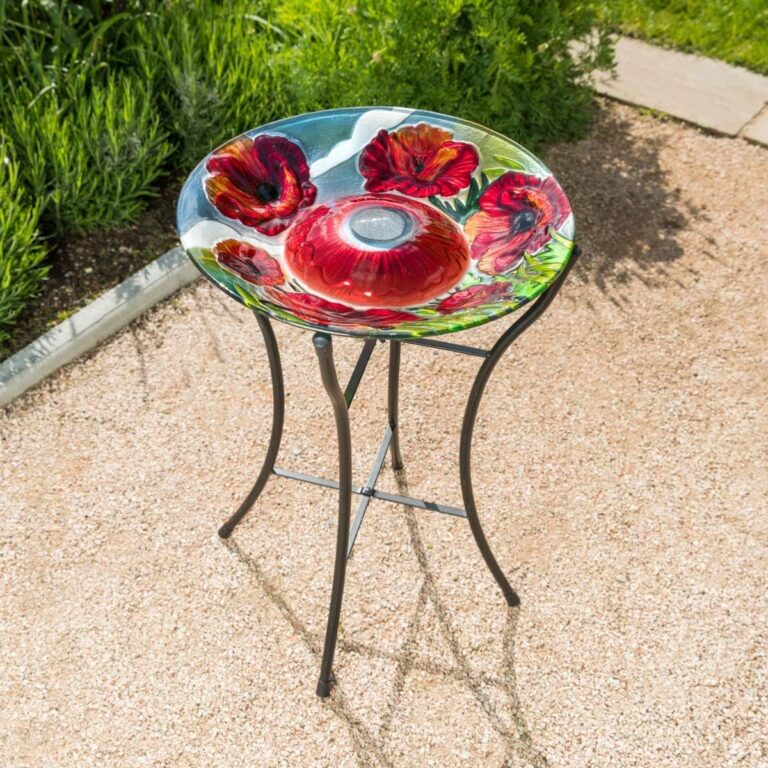
Providing a shallow water dish for drinking and bathing can also make your garden more attractive to blackbirds.
Fun Facts About Blackbird Feeding Behaviour
- Blackbirds use a hopping and scratching technique to uncover hidden insects in the soil or leaf litter.
- They have excellent eyesight to spot small prey or ripe fruit.
- Male blackbirds often defend feeding territories aggressively during the breeding season.
- Juvenile blackbirds learn what to eat by watching adults, initially being fed soft insects and later moving on to fruits and worms themselves.
Summary
Blackbirds eat a mixed diet of invertebrates, soft fruits, berries and, occasionally, seeds. Their diet changes with the seasons to match food availability, focusing on worms and insects in spring and summer and switching to fruits and berries in autumn and winter. Gardeners who wish to attract blackbirds should offer mealworms, soft fruits, and a suitable safe feeding area. Avoid processed or unsuitable human foods for the best impact on blackbird health and garden visits.
By understanding what blackbirds eat, you can better support these delightful birds and enjoy their presence in your local garden or park throughout the year.