When Do Blackbirds Nest in the UK?
When Do Blackbirds Nest in the UK?
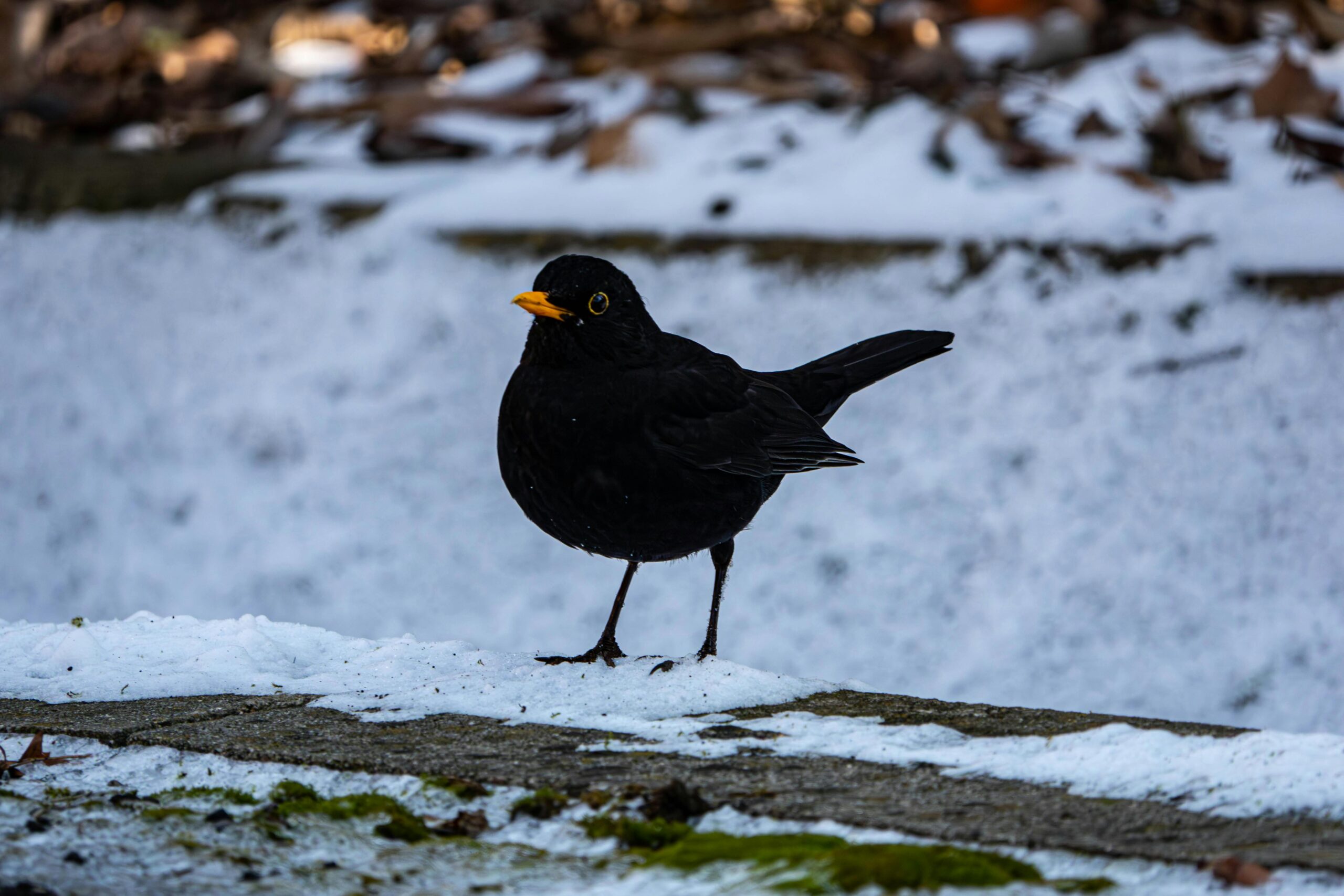
Blackbirds are one of the UK’s most common and recognisable garden birds. Their rich song, bold behaviour and habit of feeding on lawns make them easy to spot, especially during spring and summer.
In the UK, blackbirds usually start nesting from March, although some may begin earlier in mild weather. The main blackbird nesting season typically runs from March to August, and many pairs can raise two or three broods in a good year.
Blackbirds often nest in gardens, hedges, shrubs, climbing plants and dense vegetation, which means they can end up nesting very close to homes.
Quick Answer: When Do Blackbirds Nest?
Blackbirds usually nest in the UK between March and August.
Some early nesting may happen in February if the weather is mild, but the main nesting period begins in spring and continues through summer.
| Month | Blackbird Nesting Activity |
|---|---|
| January | Nesting is uncommon, but territorial behaviour may begin |
| February | Some early nest building possible in mild weather |
| March | Main nesting season begins |
| April | Eggs and chicks become common |
| May | Peak nesting activity |
| June | Second broods are common |
| July | Later broods may still be active |
| August | Nesting usually winds down |
Why Do Blackbirds Nest in Gardens?
Blackbirds are highly adaptable birds and gardens can provide almost everything they need during the nesting season.
A good garden can offer:
- Dense shrubs for cover
- Hedges for safe nest sites
- Lawns with worms and insects
- Ivy and climbing plants
- Fruit, berries and soft food
- Quiet corners away from disturbance
Because blackbirds feed heavily on worms and insects, gardens with lawns, borders and natural planting can be especially attractive.
Where Do Blackbirds Build Their Nests?
Blackbirds usually build their nests in dense, sheltered places. They often choose locations that are hidden from predators and protected from poor weather.
Common blackbird nest sites include:
- Hedges
- Shrubs
- Ivy
- Brambles
- Climbing plants
- Small trees
- Dense garden borders
- Sheds or outbuildings
- Wall-mounted plants
- Conifers
Blackbird nests are often fairly low compared with some other birds, although they can also nest higher in thick vegetation.
What Does a Blackbird Nest Look Like?
A blackbird nest is usually a neat, cup-shaped structure.
It is commonly made from:
- Grass
- Leaves
- Twigs
- Moss
- Roots
- Mud
- Fine plant material
One of the key features of a blackbird nest is the use of mud. The female often builds a sturdy cup and lines it with softer material.
Because the nest is usually hidden in vegetation, you may notice the adults coming and going before you actually see the nest.
When Do Blackbirds Lay Eggs?
Blackbirds usually lay eggs from March onwards, although the exact timing depends on weather and food availability.
A typical blackbird clutch contains around 3 to 5 eggs. The eggs are usually bluish-green with reddish-brown speckles.
The female does most of the incubation, while the male may help guard the territory and provide support nearby.
How Long Do Blackbird Eggs Take to Hatch?
Blackbird eggs usually hatch after around 13 to 14 days.
Once the chicks hatch, both parents feed them. They bring insects, worms and other small invertebrates to the nest.
This is one reason blackbirds spend so much time foraging on lawns during spring and summer.
When Do Baby Blackbirds Leave the Nest?
Baby blackbirds usually leave the nest after around 13 to 14 days.
Like robins, young blackbirds can leave the nest before they are fully confident flyers. This is normal and does not always mean the bird has been abandoned.
Fledgling blackbirds often spend time on the ground or hidden in low vegetation while the parents continue to feed them nearby.
If you find a young blackbird, it is usually best to leave it alone unless it is in immediate danger.
How Many Broods Do Blackbirds Have?
Blackbirds commonly raise two broods in a year, and some pairs may raise three if conditions are favourable.
This means blackbird nesting activity can continue for several months. Even if one nest has finished, the adults may start another nesting attempt nearby.
Because of this, it is important to be careful with hedge cutting and garden work throughout the spring and summer.
Do Blackbirds Reuse the Same Nest?
Blackbirds do not always reuse the same nest.
They may return to the same garden or territory, but they often build a fresh nest for a new brood. This helps reduce the risk of parasites and makes the new nest safer and cleaner for the next set of eggs.
If a garden provides good cover and food, blackbirds may nest there year after year.
Do Blackbirds Use Nest Boxes?
Blackbirds do not usually use traditional small-hole bird boxes.
They prefer open, natural cover such as hedges, shrubs and ivy. However, they may sometimes use a sheltered open-fronted nesting space if it feels safe and hidden.
If you want to encourage blackbirds, focus on natural cover rather than standard bird boxes.
Good options include:
- Dense shrubs
- Native hedging
- Ivy-covered fences
- Climbing plants
- Bramble patches
- Quiet corners with cover
How to Help Nesting Blackbirds in Your Garden
You can help nesting blackbirds by making your garden safer and more wildlife-friendly.
Useful ways to help include:
- Avoid cutting hedges during nesting season
- Leave dense shrubs and ivy where possible
- Keep cats away from known nesting areas
- Provide fresh water
- Avoid using pesticides
- Let some areas stay slightly wild
- Grow berry-producing shrubs
- Keep lawns and borders healthy for worms and insects
Blackbirds rely heavily on natural food, especially when raising chicks, so a garden rich in insects and invertebrates is ideal.
Should You Feed Blackbirds During Nesting Season?
You can feed blackbirds during nesting season, but natural food is especially important.
Suitable foods include:
- Mealworms
- Soft bird food
- Chopped fruit
- Raisins soaked in water
- Sunflower hearts
- Small suet pieces
Blackbirds often feed on or near the ground, so a ground feeding tray can work well. Place food in a safe, open area where cats cannot easily ambush them.
Avoid offering food that is too large, dry or unsuitable for young birds.
When Should You Avoid Cutting Hedges?
You should avoid cutting hedges during the main bird nesting season, which generally runs from March to August.
Blackbirds commonly nest in hedges, shrubs, ivy and dense vegetation, so hedge cutting during this time can disturb active nests.
Before doing any garden work, look for signs of nesting birds, such as adults repeatedly entering the same shrub or carrying food.
If you suspect a nest is active, leave the area alone until the young birds have fledged.
Signs That Blackbirds Are Nesting Nearby
You may not see the nest itself, but there are often clues.
Signs of nesting blackbirds include:
- A blackbird repeatedly entering the same hedge or shrub
- Birds carrying grass, leaves or twigs
- Adults carrying worms or insects
- Alarm calls when you approach a certain area
- A male blackbird singing nearby
- Fledglings hiding in low vegetation
- Adults feeding young birds on the ground
If you notice these signs, avoid disturbing the area.
What to Do If You Find a Blackbird Nest
If you find a blackbird nest, leave it alone.
Do not move the nest, touch the eggs, or keep checking it. Regular disturbance can stress the birds and may also draw attention from predators.
Observe from a distance and avoid working near the nest until the chicks have fledged.
If the nest is in an awkward place, try to give the birds time and space to finish nesting.
What to Do If You Find a Baby Blackbird
Finding a baby blackbird on the ground can be worrying, but it is often part of the normal fledging process.
Young blackbirds may leave the nest before they can fly well. The parents are usually nearby and will continue feeding them.
Only intervene if the bird is:
- In immediate danger from traffic
- At risk from cats or dogs
- Injured
- Very exposed with no cover nearby
If the bird is healthy but in a dangerous spot, you can move it a short distance to nearby cover, such as under a hedge or shrub. The parents should still find it.
Frequently Asked Questions
What month do blackbirds start nesting in the UK?
Blackbirds usually start nesting from March, although some may begin in February during mild weather.
How long is blackbird nesting season?
Blackbird nesting season usually runs from March to August in the UK.
Where do blackbirds nest?
Blackbirds usually nest in hedges, shrubs, ivy, climbing plants, small trees and dense garden vegetation.
Do blackbirds nest in gardens?
Yes, blackbirds commonly nest in gardens, especially where there are hedges, shrubs, lawns and quiet sheltered areas.
How many eggs do blackbirds lay?
Blackbirds typically lay around 3 to 5 eggs.
How long do blackbird eggs take to hatch?
Blackbird eggs usually take around 13 to 14 days to hatch.
How long do baby blackbirds stay in the nest?
Baby blackbirds usually stay in the nest for around 13 to 14 days before fledging.
Do blackbirds use bird boxes?
Blackbirds do not usually use standard bird boxes with small entrance holes. They prefer natural cover such as hedges, shrubs and ivy.
Do blackbirds reuse the same nest?
Blackbirds may return to the same territory, but they often build a new nest for each brood.
Is it normal to see a baby blackbird on the ground?
Yes. Young blackbirds often leave the nest before they are strong flyers. The parents are usually nearby and will continue feeding them.
What should I feed blackbirds when they are nesting?
Mealworms, soft bird food, soaked raisins, chopped fruit and small suet pieces can be useful. Natural insects and worms are especially important for chicks.
Should I move a blackbird nest?
No. If a blackbird nest is active, it should be left undisturbed until the young birds have fledged.
Final Thoughts
Blackbirds usually nest in the UK from March to August, with some early nesting possible in mild weather. They often choose gardens, hedges, shrubs and ivy because these places offer cover, food and shelter.
If you want to help nesting blackbirds, avoid cutting hedges during nesting season, provide natural cover, leave some areas of your garden wildlife-friendly and offer fresh water.
A garden with dense planting, healthy soil and safe feeding areas can become an excellent nesting territory for blackbirds year after year.