When Do Robins Nest in the UK?
When Do Robins Nest in the UK?
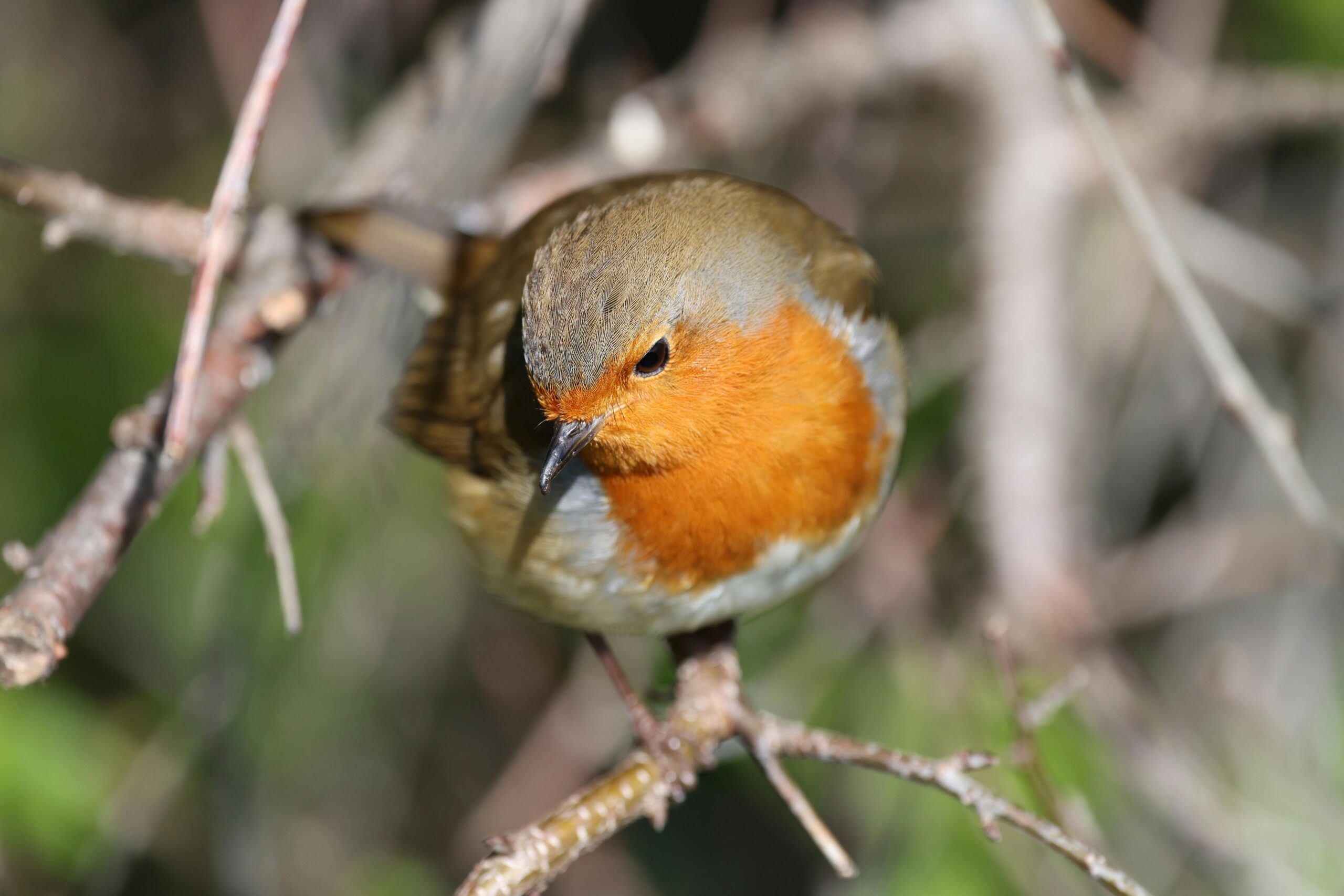
Robins are one of the UK’s most familiar garden birds, and because they are so active throughout the year, it is easy to wonder when they actually start nesting.
In the UK, robins usually begin nesting from March, although some pairs may start as early as January or February during mild weather. Their main nesting season typically runs from March to August, and many robins will raise two or even three broods in a good year.
Because robins are territorial, curious and often comfortable around gardens, sheds and outbuildings, they can nest surprisingly close to people.
Quick Answer: When Do Robins Nest?
Robins usually nest in the UK between March and August.
However, the timing can vary depending on the weather, food availability and location. In a mild winter or early spring, some robins may begin nesting much earlier than expected.
A simple UK robin nesting timeline looks like this:
| Month | Robin Nesting Activity |
|---|---|
| January | Some early nesting possible in mild weather |
| February | Pairing and territory activity increases |
| March | Main nesting season begins |
| April | Eggs and chicks are common |
| May | Peak nesting activity |
| June | Second broods are likely |
| July | Later broods are still possible |
| August | Nesting season usually winds down |
Why Do Robins Nest So Early?
Robins can start nesting earlier than many other garden birds because they are highly territorial and remain active through winter.
While some birds wait until spring is fully established, robins may begin preparing earlier if conditions are suitable. A mild spell can encourage early nesting behaviour, especially if food is available and the pair has a secure territory.
You may notice robins becoming more active around potential nest sites before spring properly arrives. They may investigate sheds, ivy, hedges, log piles, wall crevices and even unusual places such as plant pots or shelves.
Where Do Robins Build Their Nests?
Robins usually nest in well-hidden, sheltered places close to the ground or within dense cover.
Common robin nest sites include:
- Dense hedges
- Ivy-covered walls
- Climbing plants
- Tree roots
- Log piles
- Garden sheds
- Open-fronted nest boxes
- Wall crevices
- Plant pots
- Old boots or containers
Unlike blue tits and great tits, robins do not usually use small round-hole nest boxes. They prefer open-fronted nest boxes or natural sheltered spaces where they can tuck the nest away from predators and bad weather.
This is one reason robins sometimes nest in surprising places around gardens and outbuildings.
What Does a Robin Nest Look Like?
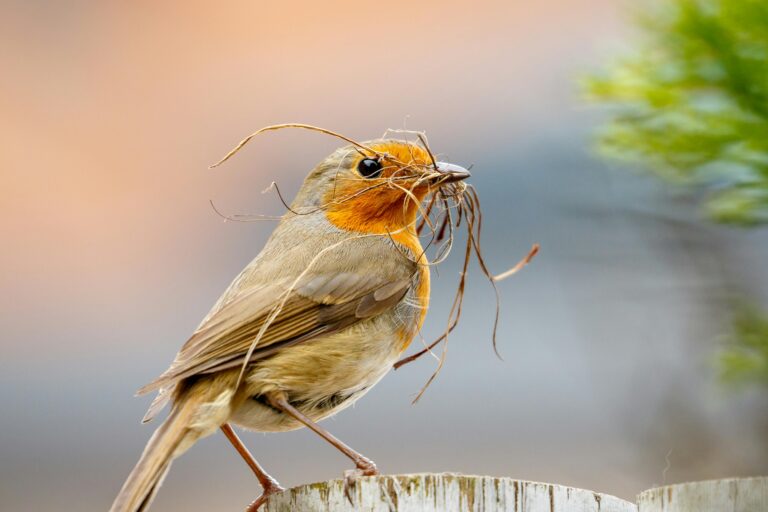
A robin nest is usually a small cup-shaped structure made from natural materials.
Robins commonly use:
- Moss
- Leaves
- Grass
- Roots
- Hair
- Feathers
- Fine plant material
The outside of the nest is usually built for structure and camouflage, while the inside is lined with softer material to protect the eggs and chicks.
Because robins often build nests in concealed spaces, you may not notice the nest itself until the adult birds start carrying food back and forth.
When Do Robins Lay Eggs?
Robins usually lay eggs from March onwards, although early nesting attempts can happen before this.
A female robin typically lays around 4 to 6 eggs. The eggs are usually pale with reddish-brown speckling.
Once the clutch is complete, the female incubates the eggs. The male may bring food while she is sitting on the nest.
How Long Do Robin Eggs Take to Hatch?
Robin eggs usually take around two weeks to hatch.
The exact timing can vary slightly depending on temperature and conditions, but around 13 to 14 days is a useful guide.
Once the chicks hatch, both parents may be involved in feeding them. Robins work hard during this stage, bringing insects, worms and other small invertebrates to the nest.
When Do Baby Robins Leave the Nest?
Baby robins usually leave the nest after around two weeks, but they are not fully independent straight away.
Young robins may leave the nest before they can fly strongly. This can worry people, especially when they find a young robin on the ground, but it is often normal.
Fledglings may spend several days hiding in vegetation while their parents continue to feed them nearby.
If you find a young robin, it is usually best to leave it alone unless it is in immediate danger from cats, traffic or other threats.
How Many Broods Do Robins Have?
Robins often raise two broods in a year, and in good conditions they may raise three.
This is why nesting activity can continue well into summer. While one brood may fledge in spring, the adults may quickly start another nesting attempt if food is available and the first brood has been successful.
This also means garden disturbance can affect robins for several months, not just in early spring.
Do Robins Return to the Same Nest?
Robins may return to the same territory, but they do not always reuse the exact same nest.
They are more likely to build a new nest nearby, especially if the old one has become damaged, exposed or contaminated with parasites.
A good garden territory with food, shelter and safe nesting spots can attract robins year after year.
Do Robins Use Nest Boxes?
Yes, robins can use nest boxes, but they prefer a different type from many other garden birds.
Robins are more likely to use an open-fronted nest box rather than a box with a small circular entrance hole.
To improve the chances of attracting robins, place an open-fronted nest box:
- Low to the ground
- In dense cover
- Among ivy or climbing plants
- Away from direct sunlight
- Away from heavy rain
- Away from cats and predators
Avoid placing robin nest boxes in exposed positions. Robins prefer privacy and cover.
How to Help Nesting Robins in Your Garden
If you want to help robins during nesting season, the best thing you can do is make your garden safe, quiet and food-rich.
Useful ways to help include:
- Avoid cutting hedges during nesting season
- Leave ivy and dense shrubs where possible
- Provide mealworms in moderation
- Keep cats indoors during peak fledging times if possible
- Provide fresh water
- Avoid disturbing suspected nest sites
- Use open-fronted nest boxes in sheltered spots
Robins feed their chicks insects and invertebrates, so a wildlife-friendly garden can make a big difference.
Try to avoid using pesticides, as these reduce the natural food available for robins and other garden birds.
Helpful Products for Robins During Nesting Season
If you want to make your garden more robin-friendly, these products can help:
- Open-fronted robin nest box
- Dried or live mealworms
- Ground feeding tray
- Bird-safe water dish
- High-energy soft bird food
- Dense native shrubs or climbing plants for cover
Robins are more likely to use quiet, sheltered spaces than exposed bird boxes, so placement matters just as much as the product itself.
Should You Feed Robins During Nesting Season?
You can feed robins during nesting season, but it is best to offer suitable food.
Good options include:
- Mealworms
- Sunflower hearts
- Soft bird food
- Live foods where appropriate
- Small suet pieces
Avoid putting out large chunks of dry food that could be difficult for young birds. Also make sure food stations are kept clean to reduce the risk of disease.
Robins often prefer feeding from the ground or low feeding tables, but food should be placed where cats cannot easily ambush them.
When Should You Avoid Hedge Cutting?
You should avoid cutting hedges during the main bird nesting season, which generally runs from March to August.
Robins can nest in hedges, ivy and dense vegetation, so cutting during this period risks disturbing active nests.
If hedge work is essential, check carefully for signs of nesting birds first. Look for adult birds repeatedly entering the same spot, carrying nesting material, or bringing food.
Active nests should not be disturbed.
Signs That Robins Are Nesting Nearby
You may not see the nest itself, but there are clues.
Signs of nesting robins include:
- A robin repeatedly entering the same hidden spot
- Birds carrying moss, grass or leaves
- Adults carrying food such as worms or insects
- Increased territorial singing
- Alarm calls when you approach a certain area
- Fledglings hiding in shrubs or low plants
If you notice these signs, give the area space and avoid investigating too closely.
What to Do If You Find a Robin Nest
If you find a robin nest, leave it undisturbed.
Do not move it, touch the eggs, or keep checking it. Even well-meaning attention can expose the nest to predators or cause stress to the birds.
The best thing to do is observe from a distance.
If the nest is in an awkward place, such as a shed or plant pot, try to avoid using that area until the chicks have fledged.
Frequently Asked Questions
What month do robins start nesting in the UK?
Robins usually start nesting from March, but some may begin earlier in mild weather. Early nesting can sometimes happen in January or February.
How long is robin nesting season?
Robin nesting season usually lasts from March to August in the UK. Robins may raise more than one brood during this time.
Do robins nest in gardens?
Yes, robins commonly nest in gardens. They may use hedges, ivy, sheds, wall crevices, climbing plants, open-fronted nest boxes and other sheltered spaces.
Do robins use normal bird boxes?
Robins usually prefer open-fronted nest boxes rather than traditional boxes with small round entrance holes.
How many eggs do robins lay?
Robins typically lay around 4 to 6 eggs.
How long do baby robins stay in the nest?
Baby robins usually stay in the nest for around two weeks before fledging.
Is it normal to see a baby robin on the ground?
Yes, it can be normal. Young robins often leave the nest before they are strong flyers. The parents may still be feeding them nearby.
Do robins reuse the same nest?
Robins may nest in the same territory again, but they do not always reuse the exact same nest. They often build a fresh nest nearby.
Should I move a robin nest if it is in the way?
No. If a robin nest is active, it should be left alone. Avoid disturbing the area until the chicks have fledged and the nest is no longer in use.
What should I feed robins when they are nesting?
Mealworms, soft bird food, sunflower hearts and small suet pieces can be useful. Food should be fresh, suitable and offered in moderation.
Final Thoughts
Robins usually nest in the UK from March to August, although some pairs may start earlier if the weather is mild. Their nesting habits make them one of the most interesting garden birds to watch, especially because they often choose hidden spaces close to people.
If you want to help nesting robins, provide natural cover, fresh water, suitable food and safe nesting spaces. Most importantly, avoid disturbing dense hedges, ivy and potential nest sites during the breeding season.
A quiet, wildlife-friendly garden can give robins the best chance of raising healthy chicks year after year.