
Will a Buzzard Take a Small Dog? UK Risk and Safety Advice
Will a buzzard take a small dog in the UK? Understand the realistic risk, recognise defensive behaviour and keep your pet safe.
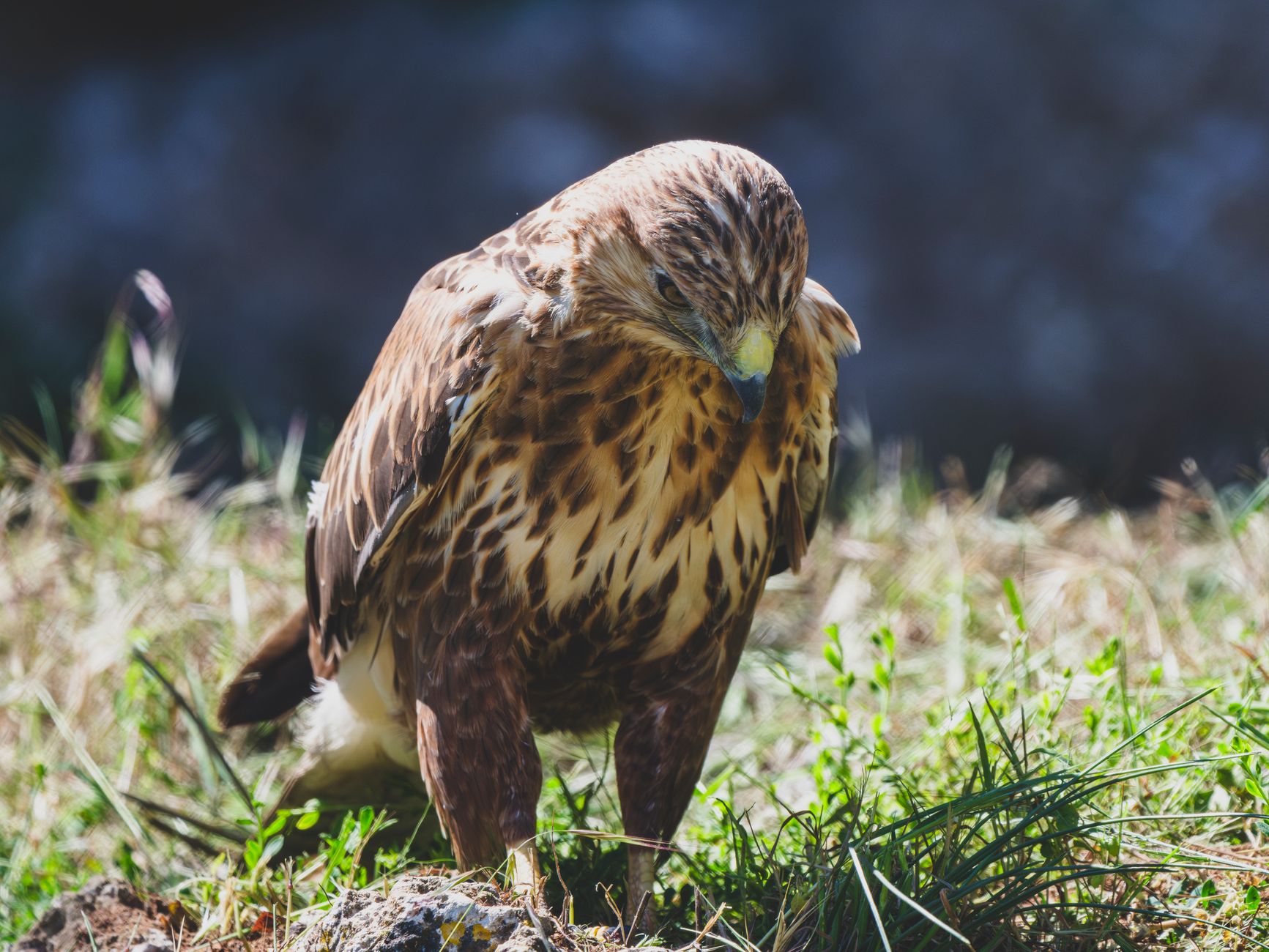
Will a Buzzard Take a Small Dog? UK Risk and Safety Advice
If you are asking, “will a buzzard take a small dog?”, the reassuring answer is that it is extraordinarily unlikely in the UK. Common buzzards do not normally regard dogs as prey, and carrying away even a small adult dog would be unrealistic. However, no encounter with a wild bird of prey should be treated entirely without caution.
Keep puppies and toy breeds close when a buzzard is nearby. If the bird makes repeated low passes or alarm calls, put your dog on a short lead and walk away calmly. Never let a dog approach a grounded, trapped or injured buzzard, which may defend itself with its talons.
Will a buzzard take a small dog? The short answer
Britain’s common buzzard is an adaptable predator and scavenger. Its diet commonly includes small mammals, carrion, earthworms and other suitably manageable food. Depending on local opportunities, it may also take birds, reptiles and amphibians. Domestic dogs are not normal prey.
That remains true when the dog is a small breed. Buzzards must subdue prey safely and, if they intend to carry it, lift it from the ground. A dog is an awkward, alert and potentially defensive animal rather than a typical food item. Even a toy dog is considerably different from the small wild prey a buzzard can usually handle.
It is sensible to distinguish between a theoretical possibility of injury and the realistic risk of a dog being taken. A buzzard has sharp talons and could injure a pet during an exceptionally close encounter, particularly if the bird were cornered or grounded. That does not mean it is likely to hunt or carry off the dog.
If a buzzard flies over your garden or crosses a footpath above you, supervision is normally all that is required. Intervene if the bird repeatedly approaches, appears distressed or is on the ground where your dog can reach it.
Why a small dog is not normal buzzard prey
Successful hunting depends on choosing prey that can be caught and controlled without creating unnecessary danger. A dog moves unpredictably, has teeth, can bark or snap, and may attract the immediate attention of its owner. These qualities make it a poor target compared with familiar wild prey.
The word “small” can also be misleading. An adult terrier, a toy-breed puppy and a newborn pup have very different sizes and levels of vulnerability. A tiny puppy deserves closer supervision outdoors, but being small does not automatically place it within a buzzard’s normal prey range.
Buzzards have powerful feet for gripping prey, yet their build should not be confused with that of the much larger eagles featured in overseas wildlife footage. A common buzzard is not adapted to flying away with an animal approaching the size and bulk of a dog. It may consume larger carrion on the ground, but that is not evidence that it can lift or kill a similarly sized living animal.
Habitat matters too. An open field offers a buzzard a clear view of voles, rabbits and carrion. A busy path or enclosed garden contains people, fences, buildings and other disturbances. Although buzzards increasingly appear around rural gardens and village edges, their presence alone does not show an interest in pets. Owners interested in observing buzzards around a garden should do so without using food or placing pets and wildlife at risk.
Is the buzzard hunting, watching or defending itself?
Interpreting the bird’s behaviour is more useful than reacting simply because it is nearby. Most buzzard sightings involve routine soaring, resting or searching for ordinary prey.
Circling and soaring
A buzzard circling high overhead is usually using rising air to gain height efficiently or surveying a broad area. It may remain above a field, garden or dog walker for several minutes without focusing on anything directly below. Circling is not, by itself, evidence that the bird is preparing to attack a pet.
Low perching
Buzzards often watch the ground from trees, fence posts and telegraph poles. A perched bird looking towards a dog may simply be monitoring movement across its surroundings. If it remains still or flies away as you approach, there is usually no reason for alarm.
Hunting drops
A genuine hunting movement may involve a controlled drop or short flight towards something on the ground. The target could be a small mammal, carrion or another food item that is difficult for you to see. Recall your dog rather than allowing it to rush over and investigate.
Alarm calls and repeated close passes
Repeated calling, agitated flight or close swooping is more consistent with distress or defensive behaviour than an attempt to carry off a dog. During the breeding season, an adult may be concerned by activity within its territory. Do not search for a nest or move closer to obtain a photograph. Secure your dog, retrace your route and give the bird a wide margin.
How to keep a small dog safe around buzzards
The realistic risk is low, so elaborate protective equipment is generally unnecessary. Good control, awareness and a prompt response to unusual behaviour provide proportionate protection.
- Use a short lead when concerned. Keep a puppy or toy breed beside you in exposed areas rather than relying on a long retractable lead. This prevents the dog from running towards a perched or feeding bird.
- Stay close during garden time. Supervise very small puppies where buzzards regularly pass over or perch nearby. You do not need to chase away a bird that is simply soaring or resting.
- Avoid carrion. A buzzard feeding on a dead rabbit or other carcass may defend its space or delay leaving. Recall your dog and take a wide route around it.
- Never approach a grounded buzzard. A bird on the ground may be feeding, stunned, trapped or injured. Its feet are its main means of defence, and a curious dog could be hurt at close quarters.
- Respond to repeated swooping. Bring the dog immediately to heel, shorten the lead and leave at a steady pace. If practical, move towards a building, vehicle or more sheltered route without running or waving objects at the bird.
- Do not feed or corner it. Feeding can encourage birds to associate people and gardens with food. Attempting to trap or frighten a buzzard can also turn a harmless sighting into a defensive encounter.
Be particularly observant along farmland margins, woodland edges, moorland tracks and quiet rural paths, where buzzards can hunt or nest nearby. In spring and early summer, breeding birds may be more sensitive to disturbance. Keep to established paths, follow signs and temporary access restrictions, and avoid lingering beneath persistent alarm-calling birds.
Risk should remain in perspective. Traffic, livestock, cliffs, deep water, adders, discarded food and uncontrolled interactions with other dogs are generally more immediate walking hazards. Do not let fear of a buzzard distract you from these ordinary responsibilities.
What to do after an unusual buzzard encounter
If a buzzard makes contact with your dog, or comes close enough that contact may have occurred, follow these steps:
- Secure the dog. Attach a short lead or pick up a very small dog if you can do so safely.
- Create distance. Leave the immediate area calmly. Do not remain to photograph the bird or investigate a possible nest.
- Check for injury. Once safely away, examine the dog beneath its coat. Look for bleeding, tenderness, swelling, limping or small puncture wounds, which can be less obvious than a surface scratch.
- Contact a vet where necessary. Seek prompt veterinary advice if there is any wound, eye injury, breathing difficulty, marked distress or uncertainty about contact. Do not apply human medicines unless instructed by a vet.
- Record useful details. From a safe distance, note the location, time, behaviour and direction in which the bird flew. This may help a wildlife organisation assess an injured bird or recurring conflict.
If the buzzard appears injured, entangled or trapped, keep people and dogs away and contact a recognised wildlife rescue organisation. Do not handle the bird yourself: talons can cause serious injury, even when the bird seems weak. Verify current rescue contacts through official organisational websites, and check land-manager notices or local authority information for any temporary route restrictions.
Common mistakes and cases of mistaken identity
Not every large bird circling over a dog is a buzzard. Red kites are now familiar in many parts of Britain and are often recognised by their long, forked tails. Their low, graceful flight can look alarming, but they are frequently searching for carrion and scraps rather than assessing a pet.
Perspective also causes confusion. A bird crossing low over a nearby hedge can look much larger in a photograph than it really is, while a dog on the ground may appear unusually close to it. A single image rarely reveals the bird’s intention.
Online accounts require similar care. Stories and videos involving large overseas eagles are sometimes reposted as warnings about “buzzards” or British birds of prey. Those species can differ substantially in size, hunting method and prey choice. Advice relating to them should not automatically be applied to the UK’s common buzzard. Our guide to ospreys and their fishing adaptations offers another example of why different raptors should not be treated as behaviourally interchangeable.
Final thoughts
A UK buzzard taking a small dog is extraordinarily unlikely. Dogs are not normal buzzard prey, and a bird circling overhead or watching from a post is usually soaring, resting or surveying the ground rather than planning an attack.
Nevertheless, close supervision is sensible for puppies and very small dogs. Treat repeated swooping or alarm calls as a reason to leave, not as an invitation to investigate. Keep your response simple: secure the dog, create distance, check carefully for injury and contact a vet if actual contact may have occurred. If the buzzard is grounded or injured, keep the dog away and call an appropriate wildlife rescue organisation rather than attempting to handle the bird.


