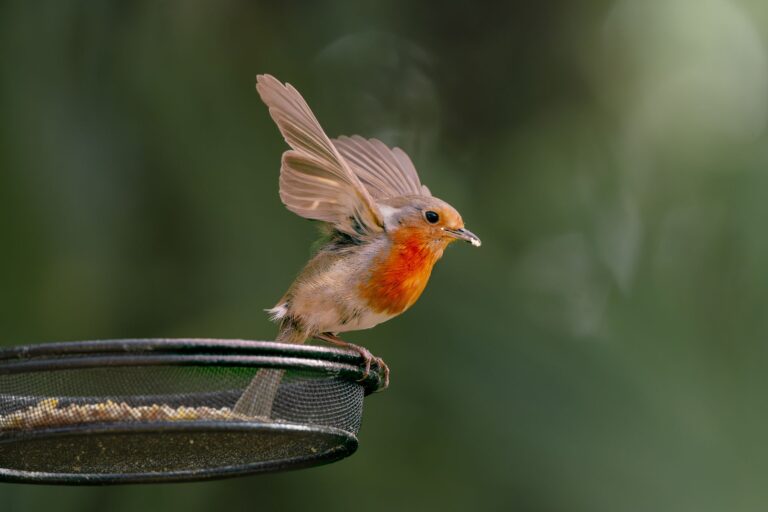
Best robin food for winter (UK guide): what to feed robins in cold weather
Discover the best robin food for winter in UK gardens, plus where to put it and a simple routine for frost, snow and wet weather.
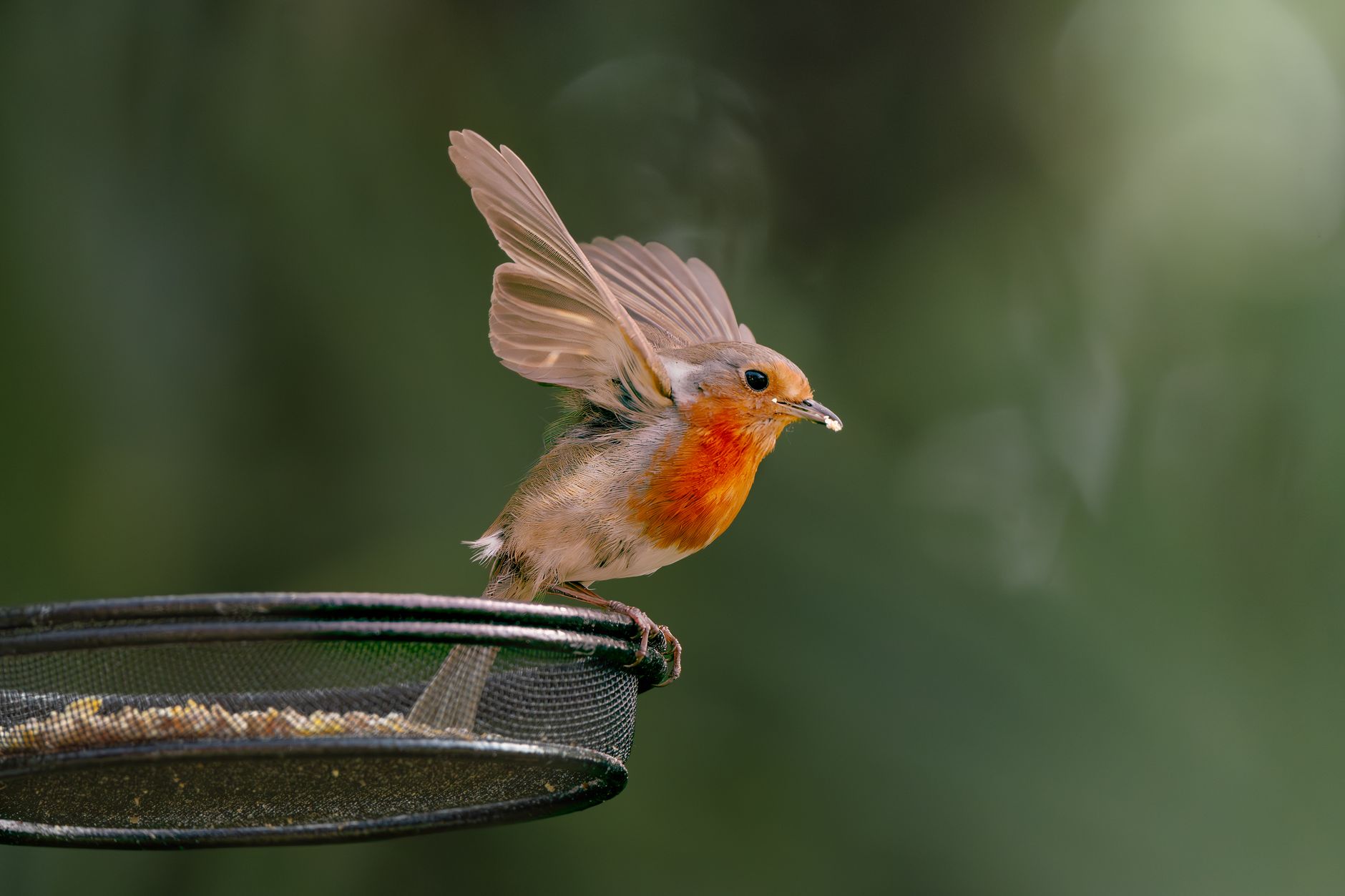
Best robin food for winter (UK guide): what to feed robins in cold weather
When frosts hit and the ground turns hard, robins can struggle to find their usual insect and worm pickings. If you’re searching for the best robin food for winter, keep it simple: offer mealworms (live, or dried and soaked), add a soft suet option for quick energy, and back it up with a robin-friendly seed mix that’s easy to swallow. In the next 10 minutes you can put out a shallow dish of soaked mealworms, a small tray of suet crumbles, and fresh water near cover. Then watch what your robin actually takes and adjust.
The best robin food for winter: quick shortlist (and why it works)
Robins are ground-feeders with a strong preference for soft, bite-sized foods—especially in cold snaps when they need energy without wasting effort. Here’s a practical UK shortlist that works in most gardens.
- Mealworms (live or dried) – High-protein and familiar to robins. Live mealworms are usually taken fastest; dried work well if you rehydrate them in winter. Ideal for beginners and keen feeders alike.
- Soft suet pellets/crumbles/sprinkles – A dense, high-energy fuel that helps robins maintain body heat. Best offered in small, fresh amounts to avoid spoilage in damp weather.
- Robin-friendly seed mixes – Look for mixes heavy on sunflower hearts and small seeds with minimal husk. Robins will take these more readily than large, hard seeds.
- Fruit as a back-up – Chopped apple, raisins or sultanas (soaked) can help when you’re between supplies, but it’s generally not as efficient as mealworms or suet for winter calories.
If you want a broader, year-round view of robin diet (without losing the winter focus here), see what do robins eat? best food to put out (UK guide).
Mealworms: usually the top choice for winter robins
In winter, robins often behave like they’re “on patrol”, hopping between sheltered patches looking for anything edible. Mealworms fit that natural feeding style: they’re soft, manageable, and the nutritional profile (especially protein) suits a bird that normally relies heavily on invertebrates.
Live vs dried mealworms in winter (what to buy)
Live mealworms are typically the quickest win if you want to attract a robin to a new feeding spot. The movement catches attention, and even cautious birds often take them after a short watch from a nearby shrub. In cold weather, keep the tub somewhere cool but frost-free (a shed can be too cold in a hard freeze).
Dried mealworms are tidy, easy to store, and convenient if you can’t get to a shop often. The trade-off is that dried worms can be ignored if they’re left hard and crunchy—especially in freezing or very dry conditions. They’re a good choice if you’re feeding daily and can prepare small portions properly.
If you’re choosing one: go live if you want the best chance of immediate uptake; go dried if you want convenience and are happy to soak them before putting them out.
How to serve dried mealworms so robins actually eat them
The simplest upgrade you can make to dried mealworms in winter is to rehydrate them. It turns “bird food garnish” into something that feels closer to a natural prey item.
- Soak first: cover a small handful with warm (not boiling) water for 10–20 minutes. Drain well. In freezing weather, this also stops them turning rock-hard on the tray.
- Use a shallow dish or ground tray: robins prefer to feed low. A small plant saucer, a purpose-made ground feeder, or a low table works well.
- Offer little and often: put out an amount you expect to be eaten within an hour or two, especially in damp conditions. Topping up is better than leaving a large pile to go soggy.
- Keep it dry under cover: place the dish under a shrub canopy, lean-to, or feeder roof so rain doesn’t turn it into mush.
- Remove leftovers: if mealworms haven’t been taken, clear them before dusk. Cold, damp food encourages mould and can attract rodents overnight.
Once a robin learns your “mealworm spot”, it may visit repeatedly through the day—particularly mid-morning and mid-afternoon when it’s topping up energy between cold nights.
Suet and fat foods: high-energy winter fuel (done safely)
Robins burn energy quickly in winter. Suet products are popular because they pack calories into small mouthfuls, which is exactly what a robin needs during frosts and cold winds. The key is choosing the right texture and keeping it fresh.
Best suet formats for robins
Robins can use hanging feeders, but they’re far more comfortable taking suet from a low tray or ground dish, where they can hop in, grab a piece, and retreat to cover. These formats tend to work best:
- Soft suet pellets – easy to pick up and swallow; offer in a dish or tray.
- Suet crumbles/sprinkles – ideal for robins because the pieces are small; great mixed with soaked mealworms on very cold days.
- Grated suet blocks – if you already have blocks, grating or crumbling a small amount can make it more accessible in deep cold when blocks can be very hard.
If other birds are stripping the tray in minutes, put out a small amount at a time and replenish later. Robins often benefit from “quiet” moments when the garden is calmer.
Safety and quality checklist
Fat foods are brilliant in winter, but they do need sensible handling:
- Avoid cooking fats and salty leftovers: these aren’t designed for birds and can be harmful or simply go rancid quickly.
- Buy good-quality suet: it should smell neutral and look fresh, not stale or oily.
- Mind mild spells: UK winters are often wet and changeable. In milder weather, fat can soften; offer smaller portions and replace them frequently.
- Keep feeding areas clean: wash trays and dishes regularly (hot water and a bird-safe disinfectant if you use one) and dry thoroughly before refilling.
A simple rule: if you wouldn’t eat it yourself because it smells off or looks mouldy, don’t offer it to a robin.
Seeds and mixes: what to choose for a robin-friendly winter feed
Robins aren’t classic “seed specialists” like finches, but they will take seeds—particularly when insects are scarce. The trick is choosing the right size and texture so they can eat efficiently and safely.
Ingredients to look for
- Sunflower hearts – no husk, high energy, easy to break into manageable pieces.
- Small seeds (for example, millet in modest amounts) – easier for robins to handle than large, tough seeds.
- Pinhead oats – a useful ingredient in cold weather; they’re small and relatively easy to eat.
- Occasional chopped peanuts – only as part of a suitable mix and served in a safe way (see below).
For many gardens, a robin-friendly mix is most useful as a supporting feed alongside mealworms and suet, rather than the single main option.
Ingredients to avoid (or keep as minor)
- Cheap mixes padded with fillers – large amounts of wheat or bulky grains can be ignored, left to spoil, or attract pests.
- Large, hard seeds – robins may struggle to handle them and often leave them behind.
- Lots of husk – it creates waste under feeding spots, which can become damp and unhygienic in winter.
If you notice lots of untouched seed building up, reduce the quantity and switch to a higher-quality mix with more hearts and fewer fillers.
Peanuts in winter: are they good for robins?
Peanuts can be a useful winter food, but they aren’t usually the best robin option. Robins may take small chopped pieces or peanut granules, especially in cold spells when competition is high and they’re looking for easy calories.
To keep it safe, avoid putting out whole peanuts on open ground. Offer peanuts in an appropriate feeder or as small pieces mixed into a tray feed so robins can take manageable mouthfuls. For a fuller look at peanut types and safe feeding methods, see bird peanuts: a nutritious and popular food for wild birds.
Where to put food in winter so robins can feed confidently
In winter, placement matters almost as much as the food. Robins are bold in personality, but they’re still cautious about predators. If your setup feels exposed or too busy, they may hang back while braver, faster birds take everything.
Ground feeding vs low table vs hanging feeders
Ground or low feeding is usually best for robins. Aim for a spot that’s:
- Near cover (a shrub, hedge, or low branches) so the robin can dart in and out
- But not right inside cover, where cats can ambush—leave clear sight lines of a couple of metres if you can
- Sheltered from rain to keep mealworms and suet fresh
Hanging feeders can still play a role for seeds, but many robins prefer to take spilled pieces beneath them. A low table or tray often gives the best of both worlds: visibility for you, confidence for the bird.
Reduce bullying and competition
Winter gardens can be hectic. To give robins a fair chance:
- Create two or three small feeding stations rather than one busy hub.
- Space stations apart so dominant birds can’t guard everything at once.
- Top up early on cold mornings, then add a second small feed later when the initial rush has passed.
If you’re trying to encourage a robin to use a particular corner of the garden, the placement tips in how to attract robins to your garden are a helpful companion to this winter feeding guide.
A simple winter feeding routine (frost, snow and mild spells)
Consistency matters in winter. You don’t need to feed huge amounts—you do need to feed sensibly, keep it clean, and adjust to the weather.
If it’s frosty: put out a small tray of suet crumbles or pellets first thing (quick energy), then add soaked dried mealworms late morning or lunchtime. Refresh water if it’s iced over.
If it’s snowing: clear a patch of snow down to the ground or place a low table in a sheltered spot. Offer mealworms and suet on a tray so food doesn’t disappear into snow. Add water in a shallow dish and check it more than once a day.
If it’s mild and wet: reduce portion sizes and replace food more often. Damp seed and soggy mealworms spoil quickly, so focus on fresh, small feeds and tidy up leftovers before they go off.
Common questions about the best robin food for winter
What should I feed robins in freezing weather?
Prioritise soft, high-value foods: soaked dried mealworms (or live mealworms if you have them) plus a small amount of soft suet crumbles or pellets. These provide quick energy and are easy for robins to eat when the ground is frozen.
Is bread OK for robins in winter?
Bread isn’t a good winter staple. It fills birds up without offering the same nutrition as mealworms, suet, or quality seed, and soggy bread can create a messy, unhygienic feeding area. If you put any out at all, keep it rare, minimal, and remove leftovers promptly—but you’ll get far better results from mealworms and suet.
Can I feed porridge oats to robins?
Plain oats can be used in small amounts, especially pinhead oats or a fine oatmeal scattered on a tray. Avoid anything sweetened or salted. Don’t leave oats to get wet and claggy—replace them rather than letting them turn into a damp paste.
Do robins need water in winter?
Yes. In freezing weather, liquid water can be as valuable as food. Provide a shallow dish and check it regularly. If it freezes, swap it for fresh water—don’t add anything to “melt” the ice. A simple routine of refilling morning and late afternoon helps in cold spells.
How often should I feed robins in winter?
Daily feeding is helpful in harsh weather, but it’s not about huge amounts. Offer small, fresh portions once in the morning, then top up a little later if the food has gone. Consistency builds trust, and good hygiene reduces disease risk: clean trays, clear leftovers, and move feeding spots occasionally if the ground beneath becomes dirty.
Final thoughts
The best robin food for winter in most UK gardens is a combination of mealworms (live, or dried and soaked), soft suet in small fresh portions, and a robin-friendly seed mix based on sunflower hearts and small seeds. Put it on a low tray near cover with clear sight lines, add fresh water, and keep everything clean and dry. Start with one or two foods, watch what your robin takes confidently, and build your winter routine around that.