What do robins eat? Best food to put out (UK guide)
What do robins eat? best food to put out in UK gardens: mealworms, suet and sunflower hearts, plus where to place food and what to avoid.
What do robins eat? Best food to put out (UK guide)
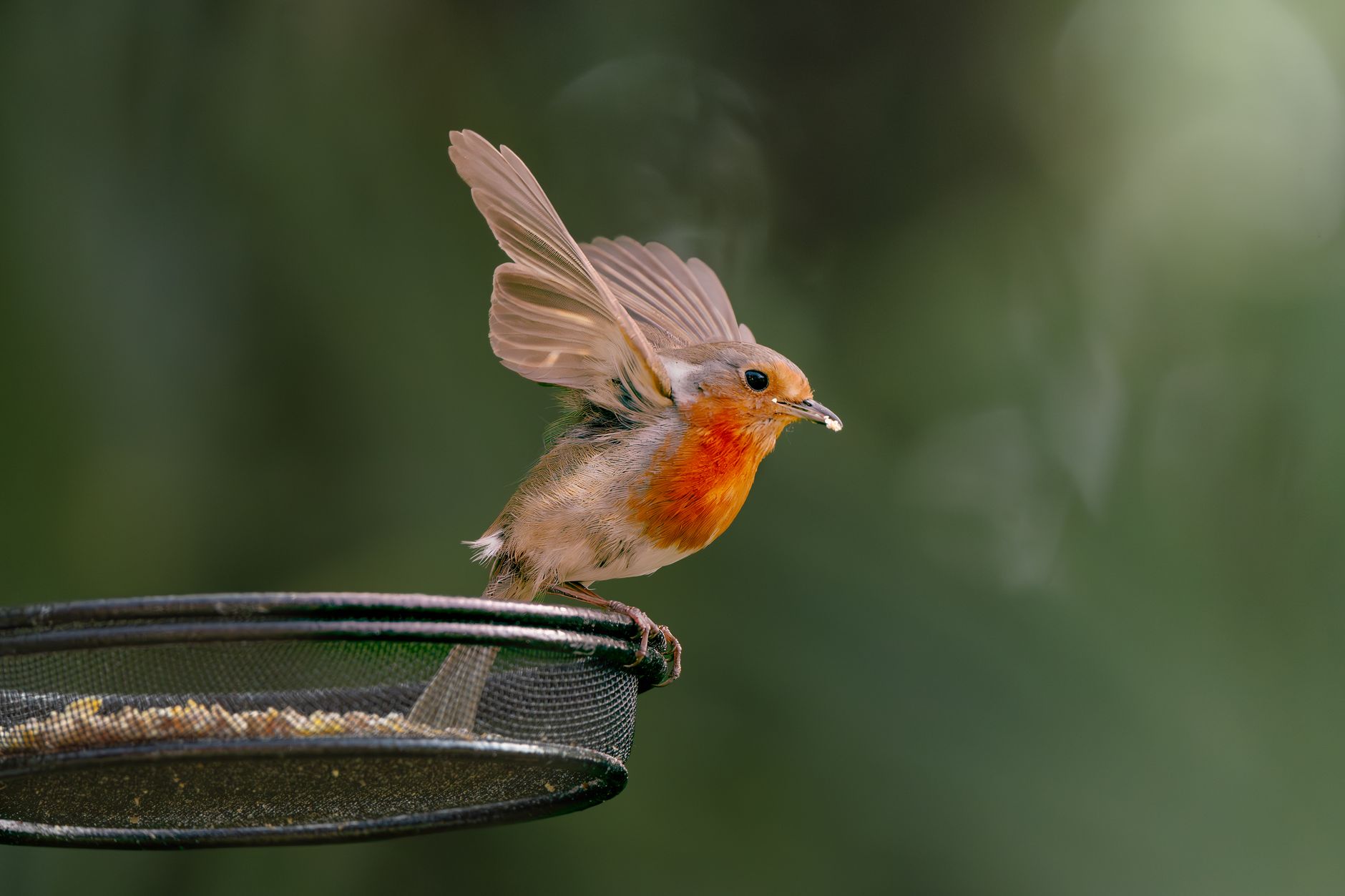
If you’re wondering “what do robins eat? best food to put out”, keep it simple: offer mealworms (live or soaked dried), soft suet crumbs/pellets and sunflower hearts, and put them on a low tray or bird table near cover. European robins are ground-and-low feeders, so they often ignore busy hanging feeders. Give small portions little and often, keep everything dry and clean, and avoid salted foods, milk, mouldy scraps, and whole peanuts on the ground. Follow the steps below and you’ll have a robin-friendly setup in minutes.
What do robins eat in the wild?
UK robins (European robins) are best thought of as insect-and-invertebrate specialists that also switch to soft plant foods when nature provides them. Their “natural menu” changes with the seasons and with what’s available in lawns, borders, hedgerows and woodland edges.
Invertebrates are the mainstay for much of the year. Robins spend a lot of time watching the ground and leaf litter, then pouncing to pick up prey. Typical wild foods include:
- Earthworms (especially in damp soil and after rain)
- Beetles and their larvae
- Caterpillars and other soft larvae
- Spiders and small insects
- Small flies, ants and other ground-dwelling invertebrates
When insects are harder to find—particularly in late autumn and winter—robins take more berries and soft fruits. In gardens, that might include fallen fruit, berries on shrubs, and anything else that’s easy to swallow and digest. They’re not built for cracking hard shells like a finch, so they favour foods they can peck, tear or gulp down without much effort.
Robins will also eat some seeds and small pieces of nuts when offered in the right form (for example, sunflower hearts rather than black sunflower seeds in shells). Think of this as a useful energy top-up rather than their first choice.
Garden feeding doesn’t “replace” wild foraging. It supplements it—especially during cold spells, drought, or when adults are feeding hungry chicks and need reliable, high-energy food nearby.
What do robins eat? Best food to put out (quick shortlist)
Robins do best with foods that mimic their natural diet: soft, high-energy, and easy to eat at ground level. Here’s a practical shortlist that works well in UK gardens.
- Mealworms (live or dried) – the closest match to their natural prey; excellent for quick energy. If using dried mealworms, soak for 10–20 minutes in water first so they’re softer and provide moisture.
- Suet pellets, suet crumbs or insect suet – high-calorie fuel that’s easy for robins to nibble. Choose small pieces they can take without struggling.
- Sunflower hearts – energy-rich and shell-free, so robins can eat them without the hassle of husks. Great as a “backup” food when insects are scarce.
- Pinhead oats or uncooked porridge oats – useful in small amounts, especially in colder weather; offer dry and fresh, not wet and sticky.
- Small pieces of fruit (e.g., apple chunks, berries) – helpful in autumn/winter; keep portions modest and remove anything that starts to go soft or mouldy.
- Specialist robin/softbill mixes – these typically blend small seeds, insect pieces and soft pellets to suit birds that prefer low feeding.
If you choose only two options, go for mealworms + suet crumbs. That combination is simple, widely available, and suits robins’ feeding style year-round.
Where to put food so robins can find it (ground, table, feeder)
Robins are famously bold, but they’re also cautious about how they feed. In most UK gardens they prefer to hop on the ground or a low surface, grab a mouthful, and retreat to nearby cover.
Best places to offer robin food:
- A ground tray (slightly raised if possible) to keep food off wet soil
- A bird table with a clear view and a roof if you have one
- A low platform feeder mounted on a short pole
- Under light cover (near a shrub or hedge) so the robin can dart back if startled
Hanging tube feeders often attract the “crowd” (tits, finches, sparrows). Robins may avoid them simply because they can’t feed comfortably or get pushed off. If you want to use a hanging option, try a tray feeder or a small-mesh suet/mealworm feeder hung low and close to cover—just don’t be surprised if the robin still prefers the table or tray.
Placement tips that make a real difference: keep the feeding spot a few metres from dense cover (so birds can escape), but not right inside a bush where predators could ambush. If cats visit your garden, avoid placing food beside fences, sheds or thick shrubs that create a “pounce point”. Consistency helps too: put food in one reliable spot, and offer small, frequent portions rather than a big pile that gets soggy and attracts pests.
Best food to put out by season (UK)
Robins change gear through the year. The best approach is to keep a steady base (clean water plus a little suitable food), then adjust the type and amount depending on weather and natural availability.
Spring
Spring brings a rise in natural invertebrates, so robins often spend more time foraging. It’s still worth offering a modest amount of mealworms, especially during cold snaps and when adults are feeding chicks and need quick, reliable protein nearby.
Keep portions small and fresh, and tidy up daily. Spring is also when feeding areas can get busy, so it’s a good time to prioritise clean trays and avoid letting food build up.
Summer
In summer, heat is the biggest issue. Offer fresh water every day (a shallow dish is fine), and put out small amounts of mealworms or suet crumbs early in the morning or later in the evening when food will stay fresher.
Avoid leaving soft foods sitting in full sun. If it’s very warm, reduce fatty foods and focus on tiny portions that will be eaten quickly.
Autumn
Autumn is when robins are building reserves and defending territories. As insects begin to drop off, you can gradually increase high-energy foods like suet crumbs and sunflower hearts.
This is also a good season for apple pieces and berries in small amounts. Keep fruit off damp ground and remove leftovers before they spoil.
Winter
Winter is when garden feeding helps most. Frozen ground and short days can make natural hunting difficult, so offer suet, sunflower hearts and mealworms regularly. A roofed table or sheltered tray helps keep everything dry, and it’s often worth putting food out early in the day so birds can refuel after a cold night.
During frost or snow, clear a small patch for ground-feeding if you can, or use a raised tray so food doesn’t disappear into slush. Keep water available too—if it’s freezing, refresh it with lukewarm water and check it through the day.
Foods to avoid (and why) when feeding robins
Robins are adaptable, but some foods create genuine risks—either because they’re hard to digest, easy to choke on, or more likely to go off and spread disease.
- Salted or seasoned foods – salt is harmful to birds, and many flavourings don’t agree with them. Skip bacon rind, salted peanuts, crisps and processed leftovers.
- Milk – birds don’t need it, and it can cause digestive upsets. Fresh water is always the right choice.
- Bread as a staple – it fills birds up without offering much nutrition. If you ever put any out, keep it to tiny amounts and never let it go mouldy or soggy.
- Whole peanuts on the ground – choking risk and not ideal for robins. If you offer peanuts at all, use a proper peanut feeder and keep them fresh and aflatoxin-free.
- Dried mealworms served bone-dry – robins will eat them, but they’re very low in moisture. Soaking makes them safer and more natural to eat.
- Mouldy food, rancid fat, or wet suet – if it smells “off” to you, it’s off. Dispose of it and clean the feeding area.
- Fat balls in plastic mesh – the mesh can trap feet and is best avoided. Use mesh-free fat balls or put suet on a tray/table instead.
If you’re unsure, stick to the basics: mealworms (ideally soaked if dried), suet crumbs/pellets, and sunflower hearts, offered fresh and kept dry.
How much to feed and how often (so you don’t attract pests)
The easiest way to feed robins well (without attracting rats, pigeons or gulls) is to offer small amounts daily. A tablespoon or two of mealworms, plus a small scattering of suet crumbs or sunflower hearts, is often enough for a typical garden visitor—then top up if it’s cleared quickly.
Remove uneaten soft food before it gets wet, and store bird food in a sealed container in a cool, dry place. If you notice rats, reduce spillage immediately: switch from loose ground feeding to a ground tray or table, feed in daylight only, and pause ground feeding for a week if needed while you tighten up hygiene and tidy dropped seed.
Cleanliness and safety: preventing disease at feeding spots
Robins often return to the same spot, so cleanliness really matters. Wash bird tables and trays regularly with hot water and allow them to dry. If you use a disinfectant, choose a bird-safe product and follow the instructions carefully.
It also helps to rotate the exact spot on the lawn or patio occasionally (even a small shift) so droppings don’t build up in one place. Provide fresh water daily, scrub the dish often, and in freezing weather check it more than once a day so birds aren’t left without a drink.
Final thoughts
So, what do robins eat? In the wild they mainly take worms, insects, larvae and spiders, with more berries and soft fruit as winter approaches. The best food to put out in a UK garden is food that’s soft, energy-rich and easy to pick up at ground level—especially mealworms, suet crumbs/pellets and sunflower hearts.
For the best results, place food on a low tray or bird table near cover, keep portions small and fresh, and avoid salted foods, milk, mouldy scraps, whole peanuts on the ground, and dry dried-mealworms served without soaking.
Your simple setup for the next two weeks: choose one low feeding spot, put out a small handful of soaked dried mealworms (or live mealworms) plus suet crumbs each morning, add clean water, and clean the tray regularly. Once the robin is visiting reliably, tweak amounts and choices with the season.