Best mealworms for garden birds
Find the best mealworms for garden birds with UK advice on dried vs live, quality checks, feeding safely, storage and pest control.
Best mealworms for garden birds
You want the best mealworms for garden birds, but the choice can be confusing: dried or live, big or small, loose or in a tub — and then there’s the worry that birds will ignore them, they’ll go mouldy in the rain, or you’ll attract rats. The “best” option is the one your garden birds actually eat quickly and safely with minimal waste.
Use this quick path to decide. If you want the easiest, lowest-mess option, choose dried mealworms and feed little-and-often (soaked first if birds are fussy). If you want maximum appeal for insect-loving birds, especially in spring, choose live mealworms. If you want a practical middle ground, choose good-quality dried mealworms and rehydrate them before feeding.
The sections below will help you pick the right type for your garden, spot good quality, feed them safely in typical UK weather, and avoid common problems like flies, mould and unwanted visitors.
Best mealworms for garden birds: quick recommendations by situation
If you want easiest, lowest-mess feeding: dried mealworms
For most UK gardens, dried mealworms are the best starting point. They’re clean to handle, store well, and you can put out small portions without worrying about them escaping. If birds seem hesitant, soften them (see rehydration tips below) or mix a small handful into suet crumbs or a seed mix to “train” birds to recognise them as food.
If you’re feeding insect specialists or picky birds: live mealworms
Live mealworms are usually taken faster and by a wider range of insect-eaters. If you’re specifically trying to support birds that prefer softer, moist prey (or you’ve tried dried and they’re being ignored), live mealworms are often the best option. They’re particularly useful during nesting season when adults are looking for high-protein food for chicks.
If you’re feeding families in spring: smaller sizes + frequent small portions
When birds are feeding young, the “best” mealworms are often smaller ones served in small, regular portions. Smaller worms are easier for adults to carry and for chicks to swallow. Whether you choose dried (rehydrated) or live, aim for multiple small feeds rather than one big pile that sits around.
If pests are a problem: feeder choice + strict portion control
If you’ve had trouble with rats, squirrels, or starlings clearing everything instantly, the best approach is rarely “a different brand” — it’s how you offer them. Use a hanging dish/feeder with a guard where possible, put out only what will be eaten quickly, and avoid feeding at dusk. In many gardens, dried mealworms in a secure feeder are the most manageable option.
Dried vs live mealworms — which is best in a UK garden?
Both formats can be “best mealworms for garden birds” depending on what matters most to you: convenience, cost, uptake, or hygiene.
Dried mealworms are popular because they’re simple. You can keep a bag in a cupboard, shed or garage (cool and dry is best) and use them whenever you like. They’re usually cheaper per feed than live once you factor in spoilage, and they’re easy to portion. The main downside is that some birds ignore them at first, and they’re less moist than natural prey, so rehydrating can help.
Live mealworms are often the quickest win if you want birds to take them immediately. They’re soft, moving prey, and that triggers feeding behaviour in many species. The trade-offs are extra cost, more faff (storage and care), and the fact you must be careful about escapees and hygiene. In warm weather, you’ll also want to be stricter about how long any food sits out, especially if you’re also offering other wet foods nearby.
Soaked dried mealworms sit in the middle. You get most of the convenience and shelf life of dried mealworms, but with a softer texture that can be more appealing and easier for birds to eat. This is a good compromise for UK gardens where rain and mild temperatures can quickly turn leftovers unpleasant.
Whichever you choose, treat mealworms as a supplement, not the only food on offer. A varied menu (seed, suet, plus natural garden insects) supports a wider range of birds and reduces reliance on any single food type.
What “good quality” mealworms look like (and red flags to avoid)
Two bags can look similar online, yet perform very differently in a feeder. If you’re trying to find the best mealworms for garden birds, quality matters because poor batches create dust, waste and reluctance from birds.
Colour, smell and breakage
Good dried mealworms are usually a fairly even golden-brown to darker brown, with a clean, dry look. They shouldn’t smell sour, musty or “fishy”. A slightly nutty or neutral smell is more typical. If a bag has lots of broken pieces and fine dust, it can be a sign of rough handling or old stock. Dust isn’t just untidy; it can also make feeding messier and less appealing.
Size and consistency
A little size variation is normal, but you want a reasonably consistent batch. Very mixed sizes can make portioning harder and may be less suitable when birds are feeding chicks. If the pack seems to be mostly tiny fragments and powder rather than whole worms, you’re paying for waste.
Ingredients and additives
For garden birds, the simplest option is often best: 100% mealworms with no flavourings or coatings. Some products may be marketed with added attractants, but they’re rarely necessary in a UK garden and can create extra residue on feeders. If you’re mixing mealworms with other foods, you can do that yourself and control the freshness.
Packaging and batch info
Look for resealable bags or sturdy tubs that keep moisture out. Clear weight labelling and supplier details are useful, especially if you’re buying in bulk online. Bulk buying can be great value if you feed regularly, but only if you can store it properly and use it before it degrades. If you only put out mealworms occasionally, a smaller pack often works out “best” because it stays fresher.
Choosing the right size and format for common UK garden birds
The best mealworms for garden birds depend on which species visit and how they like to feed. You don’t need to overthink it, but matching format to behaviour will reduce waste and increase uptake.
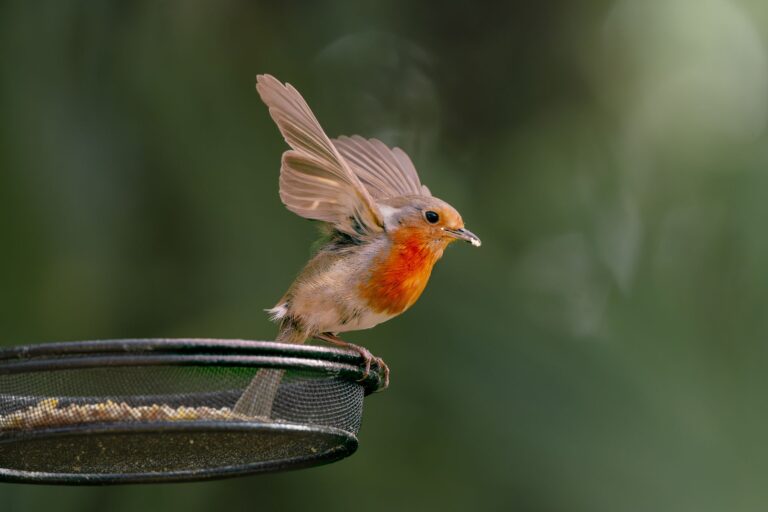
Robins and Dunnocks often prefer to feed from a low tray or the ground (in a safe spot with cover nearby). They can be wary of swinging feeders. In many gardens they take live mealworms readily, and they also do well with rehydrated dried mealworms offered in small amounts. If you’re working on getting a robin confident around your feeding area, see our guide on How to attract Robins to your garden for placement tips.
House Sparrows can be enthusiastic once they recognise mealworms as food. They’ll use trays and some feeder designs, and mealworms can be helpful during chick-rearing when adults are making constant trips. If sparrows are regular visitors, a larger bag of dried mealworms can be good value — but portion control matters because a busy flock can empty a feeder fast. For background on their feeding habits, our House Sparrows: Everything You Need to Know article may help.
Starlings and Blackbirds will often dominate an open tray, especially in spring. That doesn’t mean mealworms are “bad” — it means you may need to put out smaller portions more often, or use a feeder design that limits access. If you enjoy having a mix of species, consider offering mealworms in one spot and seed/suet elsewhere to spread demand.
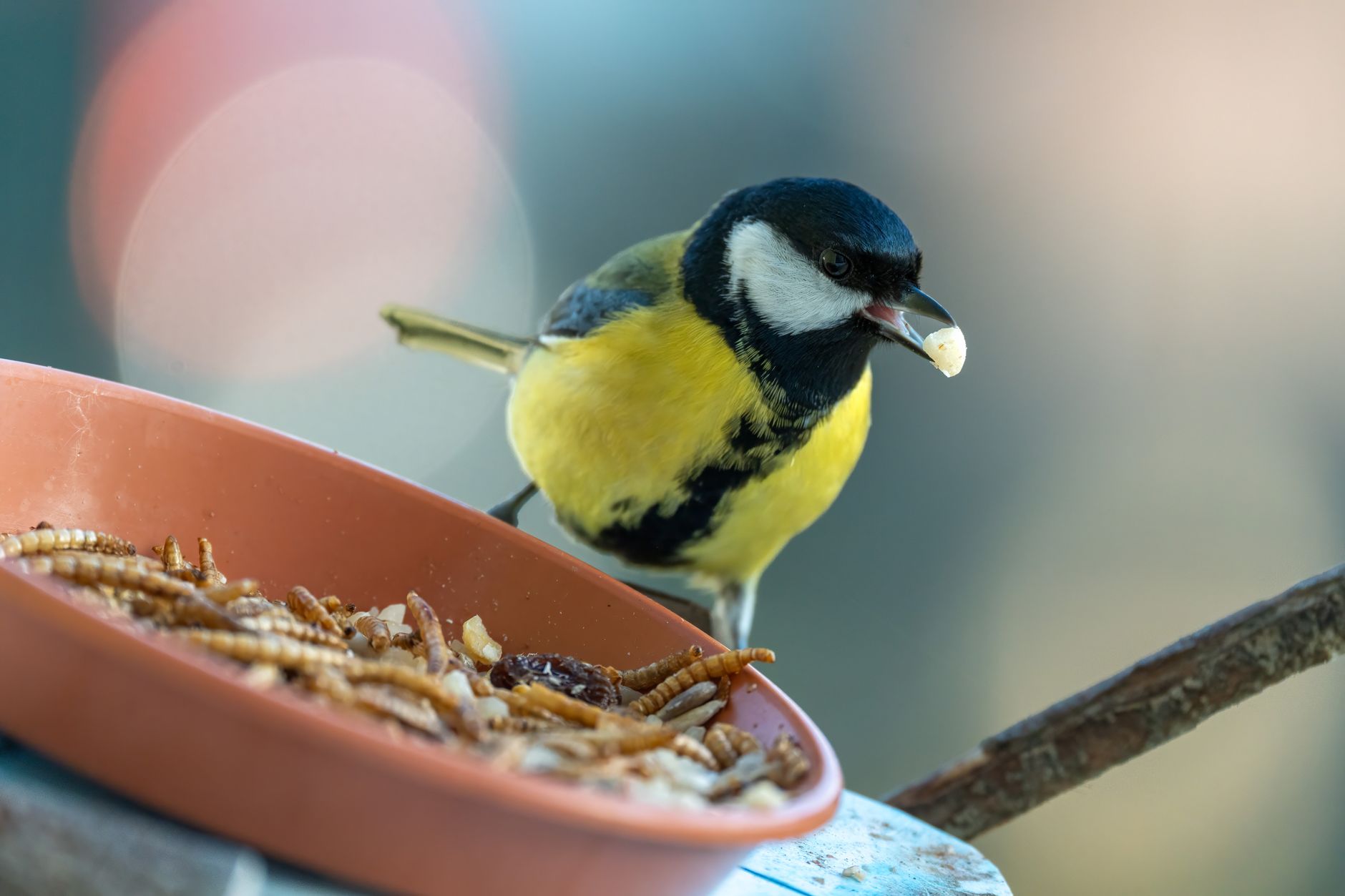
Tits (Blue, Great and Coal) may take dried mealworms from feeders, particularly if mixed with suet or offered in a dish near cover. If you mainly have tit species, dried mealworms are often the best, easiest choice, because they’re quick to pick up and carry away.
How to feed mealworms safely (and actually get birds to take them)
Even the best mealworms for garden birds can be ignored if the setup isn’t right. Feeding method is what turns a purchase into regular visits.
Best feeder types for mealworms
Dish or tray feeder: Ideal for robins, Dunnocks and blackbirds. Choose a design with drainage holes or a mesh base so rainwater doesn’t pool. Place it near cover, but not so close that predators can hide right next to it.
Ground feeder (raised mesh): Useful if you want a natural feeding style, but it can attract pigeons or rodents if you overdo the portions. A raised mesh helps keep food cleaner.
Hanging mealworm feeder: Good for portion control and deterring some ground pests. These can work well for tits and sparrows. If larger birds are a problem, look for guarded designs.
Small bowl on a table: Surprisingly effective for robins once they learn it’s safe, but only if you can keep it clean and dry.
Rehydrating dried mealworms (simple method)
Soaking dried mealworms can make a big difference, especially for robins and during nesting season. Put a day’s portion in a small bowl, cover with warm (not boiling) water, and soak for around 15–30 minutes. Drain well and put them out fresh. Only soak what you’ll use immediately, because damp mealworms spoil much faster than dry ones.
Portion size and timing
Smaller portions more often usually beats one big heap. As a starting point, try a small handful in the morning and see how quickly it goes. If they’re gone within 30–60 minutes, you can add a second small feed later. If they’re still sitting there after a couple of hours, reduce the amount next time or switch to a more sheltered feeder location.
Hygiene and keeping things fresh in UK weather
UK gardens often mean damp air, sudden showers and mild temperatures — all of which shorten the safe “sitting out” time for food. Use feeders that drain, and remove leftovers before they turn soggy. Clean trays and dishes regularly with hot water and a bird-safe approach (avoid leaving strong chemical residues). If you notice lots of flies in summer, cut portions right down and consider switching to dried mealworms offered in a more sheltered feeder.
If you’re feeding near shrubs for shy birds, balance cover with visibility: you want birds to feel secure, but you also want to be able to spot if something is being raided or left to spoil. This is especially relevant for ground-feeding species like Dunnocks — our Dunnock: A Common Garden Bird in the UK guide includes helpful notes on where they like to forage.
When mealworms are most useful in the UK (season-by-season buying guide)
Spring (nesting and chick-rearing): This is peak mealworm season. Birds need protein and are making frequent feeding trips. Live or rehydrated dried mealworms often work best. Offer little-and-often and don’t let wet food sit around.
Summer: Natural insect food is usually more available, so mealworms can be a top-up rather than a staple. Waste and flies are the main issues now, so keep portions small and tidy. If you go on holiday, remove feeders rather than leaving large amounts out to spoil.
Autumn: A good time to reintroduce mealworms and get birds used to where you’ll feed in winter. Dried mealworms are often the best choice here: convenient, affordable, and easy to store as you build a routine.
Winter: Mealworms can be a helpful supplement alongside high-energy foods like suet. Dried mealworms are usually the simplest winter option, because they store well and are easy to put out on short days. In freezing spells, avoid leaving rehydrated mealworms out for long periods where they can turn unpleasant.
Storage, shelf life and keeping mealworms pest-free
Dried mealworms: Keep them airtight, cool and dark. A resealable bag inside a sealed container is ideal, especially if you’re buying bigger packs. If you’ve had pantry moths or other food pests before, storing dried mealworms in the freezer can be a sensible precaution. Always keep them dry; moisture is what leads to mould and clumping.
Live mealworms: Store in a ventilated tub in a cool place (many people use a garage or shed, but avoid extremes of heat or direct sun). Follow the supplier’s care instructions, and only buy what you’ll use within a short period. Check them regularly and remove any dead insects to keep the tub clean.
Disposal: If mealworms (especially rehydrated ones) smell off, look mouldy, or have been left out in the rain, don’t “top them up” or mix them into fresh food. Bin them securely and wash the feeder before refilling.
FAQs: best mealworms for garden birds (quick answers)
Are dried mealworms as good as live?
They can be, depending on your goal. Dried mealworms are convenient and many garden birds will take them readily once they’re familiar. Live mealworms tend to be taken more quickly, especially by birds that prefer soft, moist prey. If you want dried mealworms to perform more like live, try soaking them first and offering them fresh.
Should you soak dried mealworms?
Soaking isn’t essential, but it often helps with acceptance and makes them softer. It’s most useful in spring when adults are feeding chicks, and for birds that seem reluctant to take dry insects. If birds already eat dried mealworms happily from a feeder, you can skip soaking and keep things simpler.
Can mealworms harm birds?
Used sensibly, mealworms are widely offered as a supplementary food in UK gardens. Problems are more likely to come from spoiled, wet or mouldy leftovers, or from putting out so many that they replace a varied diet. Keep portions sensible, keep feeding areas clean, and remove damp food promptly.
Do mealworms attract rats?
They can if food is left on the ground, fed in large quantities, or put out late in the day. To reduce risk, use a feeder that limits spillage, put out only what birds will eat quickly, and avoid leaving food out overnight. Good garden hygiene (clearing spilled seed and keeping bins secure) makes a big difference.
How many mealworms per day should I feed?
There’s no single number because it depends on which birds visit and how many. As a rule of thumb, start small: a tablespoon or two for a quiet garden, or a small handful for busier feeding stations, then adjust. The “right” amount is the amount that gets eaten promptly without leaving leftovers.
Final thoughts
The best mealworms for garden birds are the ones that fit your garden and get eaten quickly: dried mealworms are the best all-round choice for convenience, cleanliness and value; live mealworms are often best for guaranteed uptake and for insect-focused birds in spring; and rehydrated dried mealworms are a practical compromise when birds are fussy or you want a softer option without the hassle of keeping live food.
Your next step is straightforward: pick a format, buy a sensible pack size, and choose a feeder that keeps mealworms clean and off wet ground. Start with small portions, watch which birds take them, and tweak by season — that’s how you get the most benefit for your birds and the best value for your budget.