
Quick field summary
The Sparrowhawk is a small, agile bird of prey commonly seen in wooded areas and gardens across the UK. Known for its swift flight and skillful hunting of small birds, it is a fascinating species to watch.
How to identify Sparrowhawk
Compact body with short broad wings and a long tail. Adult males have blue-grey upperparts and reddish-barred underparts, females are larger and browner with less distinct barring. Yellow eyes and thin legs.
- Blue-grey upperparts
- Reddish barred chest (male)
- Brown barred chest (female)
- Long rounded tail with dark bands
- Fast, low flight with quick wing beats
Habitat, range and timing
Woodland edges, gardens with dense trees, parks and wooded farmland across the UK
Widespread across the UK, more common in England and Wales; resident all year in most areas, with some movements in northern regions
- South East England
- East Midlands
- Scottish Borders
- Wales
- South West England
Song, movement and nesting
Silent compared to other birds; sharp kik-kik call often heard during chase or breeding season.
Builds large stick nests high in trees; female incubates eggs while male hunts; usually 3-5 eggs laid.
Photos and plumage details
Similar birds
Use shape, plumage and habitat together to separate close matches in the field.
Goshawk
Compare the key markings, proportions and likely habitat before confirming your sighting.
View bird profile Look-alike guideKestrel
Compare the key markings, proportions and likely habitat before confirming your sighting.
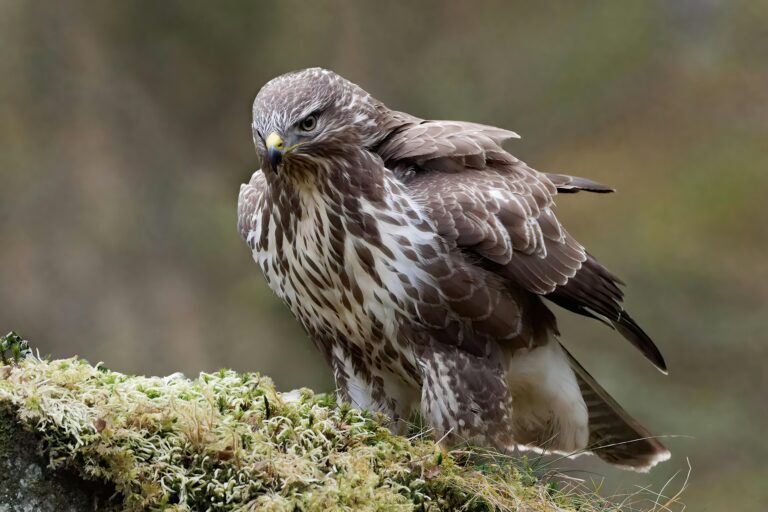
View bird profile Look-alike guideBuzzard
Compare the key markings, proportions and likely habitat before confirming your sighting.
View bird profileDiscover more British birds
Browse a few more field guides and keep building your knowledge of the birds around you.


Common questions
What does a Sparrowhawk eat?
Mainly small birds, supplemented by insects and small mammals.
How can I tell a male from a female Sparrowhawk?
Males are smaller with blue-grey upperparts and rufous barring; females are larger and browner.
Where are Sparrowhawks commonly found?
They favour woodlands, wooded gardens and farmland across the UK.
Are Sparrowhawks endangered?
No, they are classified as Least Concern with stable populations.
Do Sparrowhawks visit gardens?
Yes, especially in winter, attracted by prey such as small garden birds.