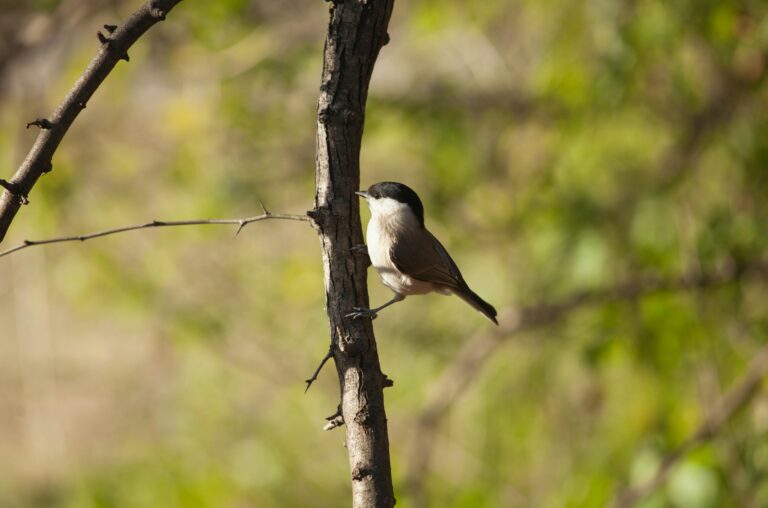
Can you make money as a professional bird watcher? (UK routes, pay and first steps)
Can you make money as a professional bird watcher? UK routes, realistic pay ranges and a 30–90 day plan to earn from birding skills.
Can you make money as a professional bird watcher? (UK routes, pay and first steps)
If you’re asking can you make money as a professional bird watcher, you’re probably trying to work out whether birding can become more than a weekend hobby—and what you could realistically do in the UK to earn from it.
The practical answer is: yes, you can, but for most people it isn’t one neat job title. It’s a portfolio career built from a few paid strands such as guiding, wildlife surveys, education, photography/media, and online content. The fastest route is to pick one strand you can deliver safely and reliably, then build evidence and testimonials until you can charge properly.
This guide covers the UK roles that actually pay, typical earning ranges, what skills make clients trust you, and a simple 30–90 day plan to get your first paid booking or day rate.
Can you make money as a professional bird watcher in the UK? The honest answer
In the UK, “professional bird watcher” usually means someone paid for bird-related expertise: identifying birds accurately, finding them for other people, collecting survey data, teaching, or creating usable media. Some people are employed full-time (for example, in ecology or conservation education), but many work freelance and combine income streams.
There are a few reality checks worth knowing early:
- Seasonality is real. Spring and early summer are busy for surveys and breeding birds; winter can be strong for guiding (wildfowl, sea-watching) but quieter for some work.
- Competition is high. Lots of birders want the same “dream” jobs, so professionalism (communication, reliability, safety) matters as much as ID skills.
- Costs add up. Fuel, accommodation, optics, and time on site can swallow profit if you don’t price properly.
- Responsibility increases. If you’re taking people out, you’ll need to think about risk, safeguarding (where relevant), and insurance, not just birds.
If you’re happy with early starts, variable income, and building a reputation over time, paid birding work in the UK is achievable.
What “professional bird watcher” jobs actually exist (and what they pay)
Wildlife/ecological surveys & consultancy (protected species, breeding bird surveys)
This is often the most direct “paid for bird skills” route, because businesses and developers pay for survey work they need to comply with planning and environmental requirements. Roles vary from assistant field surveyor to experienced ornithologist within an ecological consultancy.
How people enter in the UK:
- Start as an assistant with a consultancy during busy seasons (particularly spring).
- Build experience through structured volunteering and training days, then demonstrate competence with real survey methods and reporting standards.
- Develop skills beyond bird ID: habitat assessment, map reading, accurate note-taking, and working to a protocol.
What it can pay (very roughly): assistant field roles may be paid on a day-rate basis or short contracts; experienced surveyors can command higher day rates, particularly when they bring specialist skills. Across the UK, you’ll see large variation by region, demand, and your ability to work independently. As a broad guide, day rates might start around the low hundreds for junior freelance assistance and rise with experience and responsibility. Salaried roles exist too, but they’re competitive and often require a wider ecology skillset.
Important notes: Some bird work involves protected species and sensitive sites. In certain cases you may need specific permissions, licences, or training, and employers will expect you to understand legal and ethical boundaries. If you’re unsure, treat this as an area to signpost and learn rather than guess—your credibility depends on it.
Bird guiding & tours (local guiding, day trips, overseas partners)
Guiding is what many people picture as “professional bird watching”: you get paid to help others see birds. In the UK this can mean local patch guiding (a reserve, an estuary, a set of hides), migration days on the coast, or specialist trips (raptors, seabirds, winter wildfowl).
How guiding pays:
- Per person pricing (e.g., small-group walks with a ticket price).
- Private guiding (a set fee for a couple, family, or photographer).
- Working with a tour company (a fixed fee/day rate, sometimes with expenses covered).
Realistic earning picture: your hourly “headline” rate can look good, but you’ll spend time on admin, scouting, and cancellations. Guiding becomes viable when you have repeatable routes, a clear niche, and a system for taking bookings and payment. Expect to build gradually from a few paid dates a month.
Photography/video & media licensing
Bird photography can earn money in the UK, but it’s usually a longer ramp-up than people expect. Income might come from licensing images, stock libraries, commissioned shoots, print sales at events, or providing media to conservation organisations and publications.
Reality check: a handful of strong images rarely pays the bills by itself. What helps is a consistent body of work, reliable captions and metadata, and an understanding of what editors and organisations actually need (behaviour, habitat context, seasonal species). Video can be a differentiator, especially short clips for web use.
Education, talks, workshops and nature events
If you can explain birds clearly and keep people engaged, education work can be one of the most accessible ways to earn. Options include adult learning classes, community workshops, reserve-based events, corporate wellbeing walks, and talks for local groups.
What pays in practice: fees vary widely depending on organiser budgets and your experience, but many birders begin with modest talk fees and build up to better-paid workshops and repeat bookings. If you plan to work with children or vulnerable groups, you’ll likely need a DBS check and to follow the organiser’s safeguarding requirements.
Education work rewards consistency: clear learning outcomes, good handouts, and a confident pace in the field.
Six ways birdwatchers earn money (pick 1–2 to start)
You don’t need to wait for a dream job title. Many UK birders earn from birdwatching by packaging what they already do—finding birds, explaining them, documenting them—and making it easy for others to pay. The key is focus: pick one or two options and do them properly rather than dabbling in six at once.
Create content that earns (blog, YouTube, newsletter)
Content can pay through ads, sponsorship, affiliate links, and paid products. The UK angle is your advantage: local timing, local species, local sites, and plain-English advice. Useful niches include “beginner ID in UK gardens”, “seasonal birding calendars”, “sound ID practice”, and “what to look for this weekend in your county”.
To make content commercially viable, think like a publisher: consistent posts, clear search intent, and a simple email list so you can bring people back. If your content is garden-focused, practical identification guides can pull in a broad audience—our common brown birds in UK gardens guide shows the kind of beginner problem that converts readers into loyal followers.
Affiliate income and product recommendations (ethical approach)
Affiliate income can work if you recommend gear you genuinely know and disclose the relationship clearly. Birders trust specifics: why a binocular spec suits feeder watching, what a tripod actually improves, or which field guide matches a beginner’s needs. If you’re starting out, keep your kit guidance grounded and avoid overpromising.
Run paid local walks/ID sessions
A low-risk first offer is a two-hour weekend walk on an easy route: flat paths, reliable species, and good visibility. Charge modestly, cap group size, and set expectations (pace, facilities, likely species, weather). A simple cancellation policy avoids awkwardness and protects your time.
To broaden your audience, you can offer a “garden birds starter session” and recommend suitable optics for close-range birding—see Binoculars for Watching Garden Birds for the kind of practical spec-based advice people look for before joining activities.
Sell digital products (checklists, site guides, mini-courses)
Digital products suit birders because they’re specific and repeatable. UK-friendly ideas include county checklists, “20 common birds by sound” audio practice packs, local patch PDFs with access notes, and beginner mini-courses on ID. Keep it tight: one clear promise, one clear outcome.
If you’re unsure what to include, start with what you already send friends: “go here at this time for these species; here’s how to separate the lookalikes; here are three listening tips”. Package it neatly and price it fairly.
Competitions, judging, writing/editing
Some experienced birders earn via writing: trip reports with a purpose, species profiles, reserve newsletters, or editing bird-related content. Others judge photo competitions or help curate local recording reports. It won’t suit everyone, but if you can write clearly and meet deadlines, there’s paid work around small publications and organisations.
Citizen science to paid opportunities (bridging route)
Citizen science doesn’t usually pay directly, but it’s a credible bridge into paid work. Participating in structured surveys builds your evidence base: repeat visits, consistent methods, accurate records, and professionalism with data. Used carefully (without overstating your role), this experience can support applications for assistant survey positions or give a guiding client confidence that your ID is dependable.
Skills and credibility that unlock paid work fastest
Clients don’t just pay for your ability to spot a distant wader. They pay for reliable outcomes: accurate identification, a good experience, and (in survey contexts) usable data. The fastest way to become “professional” is to build proof that you can deliver.
Skills that move the needle in the UK:
- Accurate ID by sight and sound for common UK species, including tricky groups you’ll meet often (gulls, waders, autumn warblers).
- Clear communication: explaining field marks, managing a group kindly, and setting expectations.
- Fieldcraft and ethics: keeping disturbance low, understanding access, and knowing when not to push for a view.
- Organisation: turning up early, keeping notes, and following through on promises.
Credibility you can show: dated species lists from your local patch, a small portfolio of photos or short clips, a simple route plan for a walk, and written testimonials from pilot sessions. Practical extras can help too, such as basic first aid knowledge and the ability to produce a simple risk assessment for a walk.
For leads, local networks matter: county bird clubs, RSPB local groups, and reserve volunteer communities often know who needs a helper, who’s stepping back from guiding, or which event organiser is short of speakers.
Gear you actually need (and what not to overbuy) to go pro
You don’t need the most expensive optics to earn your first birding income. You need reliable, comfortable kit that supports the route you’re taking.
Prioritise first: decent binoculars you can use for hours, weatherproof layers, a notebook or recording app, a power bank, and footwear that keeps you moving safely. If you’re guiding, consider a small handout (printed or digital) and a simple backup plan for bad weather.
Only buy specialist kit when it earns its keep: a scope is useful for coastal and wetland guiding; a camera setup is essential if photography is your product. If you’re still building confidence, start with a sensible baseline—our Beginner Birdwatching Kit UK guide is designed to stop you spending money that won’t improve your results.
A practical 30–90 day plan to get your first paid birding income
This is a realistic timeline for a UK birder who already goes out regularly and wants to turn that into their first paid work without pretending to be something they’re not.
First 30 days: choose a route and build a one-page offer
- Pick one route: local walks, intro workshops, assistant survey work, or photo/media.
- Create a simple one-page “offer”: who it’s for, where, how long, what people will learn/see, accessibility notes, and price.
- Work your local patch deliberately: visit at least weekly, note seasonal changes, and identify 10 “banker” species you can deliver.
- Produce a sample output: a walk itinerary, a short ID handout, a mini photo set with captions, or a page of tidy sample survey notes.
By 60 days: run a pilot and collect proof
- Run a free or low-cost pilot walk for friends or a local group in exchange for honest feedback and a testimonial.
- Refine your route and timing: where do people lose the bird? where do they struggle? what pace works?
- Set up basic admin: a dedicated email, simple booking process, and clear terms (weather, cancellation, meeting point).
- Check what insurance and permissions you may need for your chosen activity and venue. If in doubt, ask the site/organiser rather than assume.
By 90 days: start selling consistently
- List a few dates (even if it’s just one a month) and promote them through local Facebook groups, community noticeboards, and relevant mailing lists.
- Approach partners: local B&Bs that attract walkers, wildlife-friendly cafés, and visitor centres that might host a “dawn chorus” or “winter birds” event.
- If aiming at surveys, apply for assistant roles ahead of the season and ask consultancies what evidence they value most.
- Pitch one small publication or organisation with a specific idea (e.g., a seasonal birding piece tied to a local site or species).
Common questions (quick UK answers)
How much can you earn?
It ranges from “a few hundred pounds a month” as a side income to a full-time living for a small number of people. Most professionals build earnings from several streams and accept that income is uneven across the year. Your pricing needs to cover time scouting, admin, travel, and cancellations—not just the hours you’re with clients.
Do you need a degree or qualification?
Not always. For guiding, education, and content work, proof of competence and professionalism can matter more than formal qualifications. For consultancy and survey roles, employers may prefer relevant training and experience, and some work has legal/ethical requirements. If a role needs a specific credential, treat it as a clear next step—not a barrier to starting elsewhere.
Can you do it part-time alongside a day job?
Yes, and it’s often the smartest way to start. Weekend walks, evening talks, photo licensing, and content can all be built around a standard job. Part-time also gives you room to learn pricing, reduce risk, and decide which strand you actually enjoy under “professional” pressure.
Is it ethical to monetise wildlife watching?
It can be, if you put welfare first. Follow site rules, keep a respectful distance, avoid disturbance (especially in breeding season), and be careful with sensitive locations. A professional reputation is built as much on restraint</