How to Tell if a Fledgling Needs Help (UK Guide)
Learn how to tell if a fledgling needs help with a quick UK checklist: what’s normal, red flags, what to do now, and who to call.
How to Tell if a Fledgling Needs Help (UK Guide)
You’ve found a young bird on the ground and you need to know how to tell if a fledgling needs help—fast. In most UK gardens and parks, a feathered youngster that’s hopping, alert and calling is supposed to be out of the nest, and the safest action is usually to leave it nearby while the parents feed it. It does need help if it’s injured, cold/soaked, attacked by a cat, stunned after hitting a window, or in immediate danger (roads, dogs, water features).
Use the simple checks below: first confirm whether it’s a fledgling or a nestling, then run through the red-flag checklist, then take the safest next step for your situation in the UK.
How to tell if it’s a fledgling (not a nestling)
Key features of a fledgling
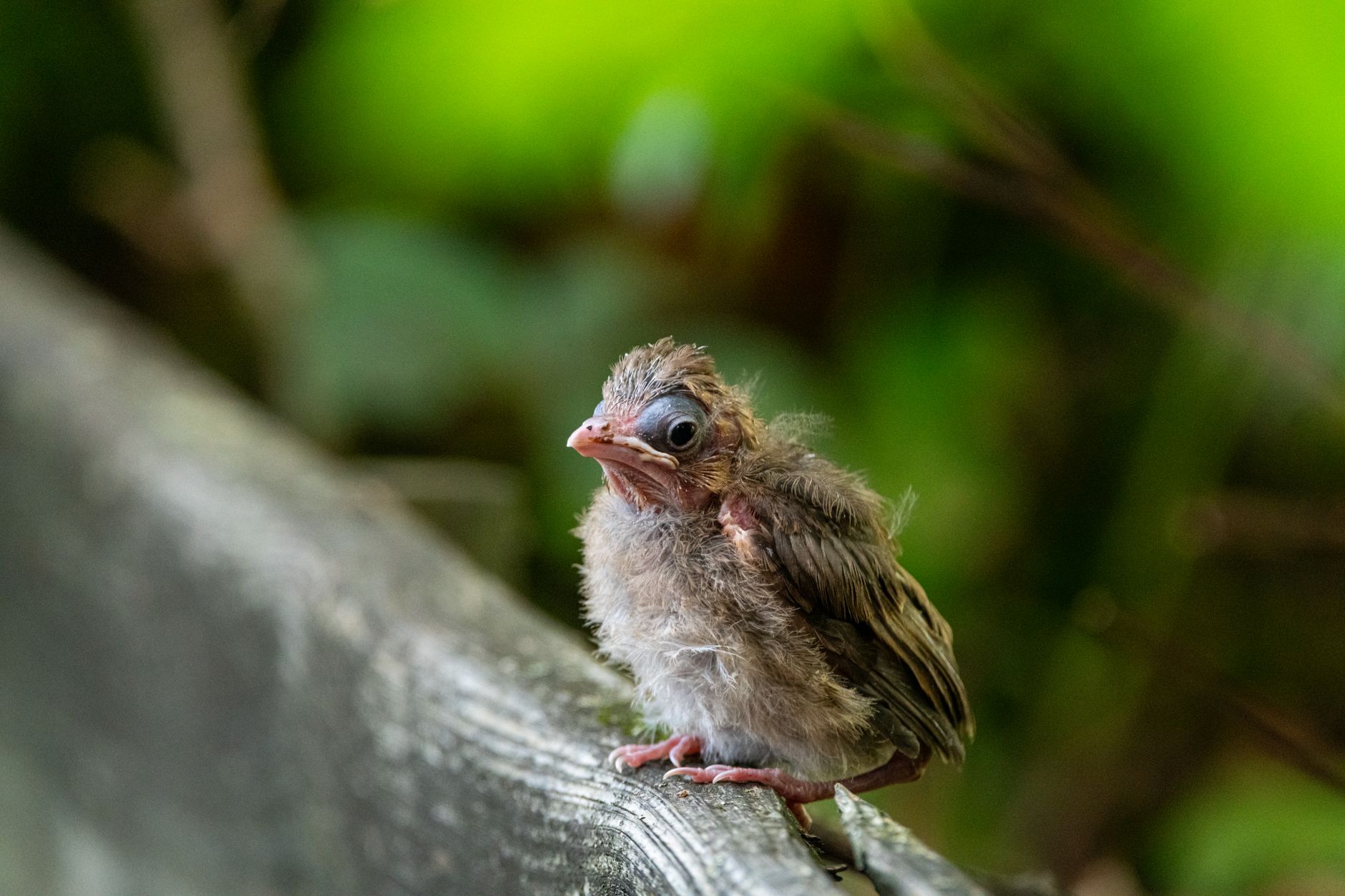
A fledgling is a young bird that has left the nest but isn’t fully competent at flying yet. Many UK songbirds spend several days on the ground or low in shrubs while their flight feathers strengthen. Signs you’re looking at a fledgling include:
- Mostly feathered (often a bit “fluffy” or scruffy), sometimes with visible down.
- Short tail and sometimes a slightly “stubby” look compared with adults.
- Can stand, hop or shuffle with reasonably strong legs.
- Can flutter or make short, clumsy flights to low branches or into cover.
- Alert behaviour: looking around, calling, gaping (opening the beak) if approached.
Common UK fledglings people find include blackbirds, robins, starlings, sparrows and tits. They often sit quietly for long spells, then suddenly move when a parent arrives with food.
Key features of a nestling
A nestling is not ready to be out of the nest. If you can’t safely return it to the nest (or you can’t locate the nest), it may need professional advice. Signs you’re looking at a nestling include:
- Very few feathers: naked skin, sparse pin-feathers, or just down.
- Can’t stand or perch; lies on its belly or side and struggles to sit upright.
- Weak and wobbly, unable to hop away from you.
- Eyes closed or only partly open (varies by species and age, so use this alongside the other signs).
If you’re unsure, err on the side of caution: observe from a distance and use the red-flag checklist below. It’s better to confirm what you’re seeing than to “rescue” a healthy fledgling from parents that are still caring for it.
Normal fledgling behaviour that looks worrying (but usually isn’t)
On the ground, hiding in shrubs, not flying well yet
Healthy fledglings often spend time on the ground, under hedges, in flowerbeds, or in low branches. This stage is part of learning: they practise hopping, balancing and short flights. A fledgling may look “stuck” because it can’t gain height like an adult, but it may still be perfectly well.
What’s normal: short bursts of movement, then sitting still; fluttering to a low perch; retreating into cover when approached.
Parents “not around” (they’re watching, feeding every so often)
One of the biggest reasons people intervene is that they don’t see the parents. Adult birds don’t always fly directly to a youngster when humans are nearby—they often wait until it’s quiet. Feeding visits can be every few minutes or spaced further apart depending on species, weather and how many chicks they’re feeding.
If it’s safe, watch from indoors or from a distance for 30–60 minutes. Look for an adult repeatedly visiting the area with food, or the fledgling begging and then swallowing.
Calling, sitting still for long periods, looking “scruffy”
Fledglings can be noisy, especially when hungry. They also commonly look untidy: uneven feathers, fluffy tufts and a short tail can make them appear unwell when they’re not. Long still periods can be normal “freeze” behaviour to avoid drawing attention from predators.
How to tell if a fledgling needs help: the red-flag checklist
Use this checklist to decide whether you should intervene immediately. If any red flag applies, treat it as a welfare situation and move to the “what to do” steps below.
- Visible injury or abnormal posture: bleeding; an open wound; a wing drooping lower than the other; a wing held at an odd angle; a leg that won’t bear weight; limping that doesn’t improve; obvious swelling; the head held to one side; repeated falling over; tremors or seizure-like movements.
- Very lethargic or unresponsive: eyes closed for long periods, not reacting when you come close, not attempting to move away, or “floppy” when carefully picked up.
- Cold, soaked, or shivering: sitting with feathers clamped tight, visibly wet through, shivering, or cold to the touch (use care—limit handling time). Prolonged chilling is a serious risk for small birds.
- In immediate danger: on a road, in a car park, on a busy footpath, near dogs off-lead, beside a strimmer/lawn mower in use, next to a pond or steep-sided water feature, or exposed on open ground with no nearby cover.
- Cat or dog contact: you saw a cat catch it, found it near a cat, or your pet brought it in. Even if you can’t see wounds, cat bites and scratches can be tiny and still cause dangerous infection. This is usually a “needs help” situation.
- Window strike / collision signs: found beneath a window; seems stunned, dazed or disorientated; can’t perch; flutters weakly; breathes with effort; or repeatedly tries to fly but can’t coordinate properly.
Two common “grey areas” are worth calling out:
- A healthy fledgling in a risky spot (for example, on a pavement outside a school). It might not be injured, but the danger is real, so you can move it a short distance to cover.
- A quiet fledgling. Silence alone isn’t a red flag. Many young birds sit still to stay safe. Look for alertness, posture, and whether it can move away.
If you’re still unsure after checking, it’s reasonable to take a short observation window (again, 30–60 minutes if safe). A normal fledgling should remain alert, move occasionally, and—crucially—be tended by parents when people/pets aren’t close by.
What to do if it seems healthy: “leave it, but make it safer”
The safest move: place it a short distance into cover (same area)
If the bird looks like a healthy fledgling but it’s exposed, you can help without “rescuing” it. The aim is simply to reduce immediate danger while keeping it close enough for the parents to find.
- Wash or sanitise your hands first if you can (or use gloves if available).
- Gently pick it up with both hands, supporting the body and keeping wings folded.
- Move it a few metres into nearby cover: under a hedge, into a shrub, behind a planter, or onto a low branch. Don’t relocate it far from where you found it.
- Step away and give the area time to settle so the adults return.
This is particularly helpful for blackbird and robin fledglings that sit on lawns and patios. Cover gives them a better chance, and parents can still feed them.
Keep people/pets away; how to “cordon off” in a UK garden
Most fledgling losses happen because of pets or repeated disturbance. Simple steps can make a big difference:
- Bring cats indoors for a few hours (or longer during peak fledging season if you can).
- Keep dogs on a lead in the area, and steer children away.
- Create a temporary buffer: an upturned laundry basket with a gap, a few plant pots, or garden canes and string can discourage curious pets while still allowing the parents access from above and the sides. Don’t trap the bird.
When and how to re-check
Re-check from a distance after 30–60 minutes. Good signs include the fledgling moving into thicker cover, reacting alertly, or you spotting a parent feeding. If the bird becomes lethargic, remains in the open, or a new risk appears (cats/dogs/people), reassess using the red flags.
What to do if it needs help right now
Immediate steps: contain safely (box, towel, warmth, dark/quiet)
If you’ve hit a red flag (especially injury, cat contact, or window strike), the priority is to prevent further harm and get professional advice quickly.
- Prepare a ventilated box (a shoebox or small cardboard box works well). Line it with a soft towel or kitchen roll.
- Place the bird inside gently and securely. Keep handling brief.
- Keep it warm, but not hot. A wrapped warm (not boiling) hot-water bottle placed against one side of the box can help the bird choose its distance. Alternatively, use a microwavable heat pad if you have one.
- Keep it dark and quiet. Stress can worsen shock. Put the box somewhere calm, away from pets and noise.
- Contact help promptly (details below). If the bird is in immediate danger and you can’t reach anyone, a local vet may be able to advise.
What not to do
Well-meant actions can cause harm, so keep it simple:
- Don’t feed the bird (including bread, milk, seeds, or worms). The wrong food or technique can choke it or cause aspiration.
- Don’t give water by mouth or drip water into the beak. If it’s weak or shocked, this can be dangerous.
- Don’t try to raise it yourself unless you’re trained and permitted to do so. Chicks have specialised needs and improper care can lead to poor outcomes.
- Don’t force it to fly or “test” it by throwing it into the air.
- Don’t keep checking it. Frequent opening of the box increases stress; check only when necessary.
Who to call in the UK and what info to provide
Good options for help in the UK include:
- Local independent wildlife rescue/rehabilitator (often the fastest and most experienced for birds).
- RSPCA (England & Wales) for advice and assistance.
- Scottish SPCA (SSPCA) in Scotland.
- USPCA in Northern Ireland.
- A local vet (especially for obvious injury, or if you can’t reach a rescue quickly).
When you call, be ready to share:
- Where you found it (town/village, nearest landmark).
- What you think it is (if you know), or a brief description of size/colour.
- What you observed: injury signs, window strike, cat contact, how long it’s been on the ground.
- What you’ve done so far (moved to cover, boxed, warmed).
Common UK scenarios (quick decisions)
Found near a road/school/playground
If it’s feathered and alert but in a high-traffic spot, treat it as a “healthy but unsafe” situation. Move it a short distance to the nearest cover (hedge, verge shrubs, behind a wall) on the same street or green area. Then step away and watch from a distance. If it’s injured or can’t hop/flutter into cover, box it and contact a rehabilitator.
Found after a storm or heavy rain
After wind or rain, fledglings may end up in exposed places, and nestlings may be blown from nests. If the bird is soaked, cold or shivering, that’s a red flag. Contain it in a warm, quiet box and seek advice. If it’s a healthy fledgling that’s merely damp but active, move it into dense cover and keep pets away while it dries and parents return.
Found under a window or near a window feeder
Collisions are common around reflective glass and busy feeding stations. If you’ve found a bird under a window, assume a possible strike. If it’s stunned but breathing normally and not bleeding, place it in a ventilated box somewhere quiet for a short period while you seek advice. If it doesn’t perk up quickly, or you notice drooping wings, imbalance, or laboured breathing, treat it as urgent.
If you run feeders close to glass, it’s worth reviewing placement and window safety (see prevention below). If you use a window-mounted feeder, it can be especially important to reduce reflections and startle flights; you might find our guide to a window feeder for birds helpful for safer setup ideas.
“Swallow or swift on the ground?” immediate differences that affect handling
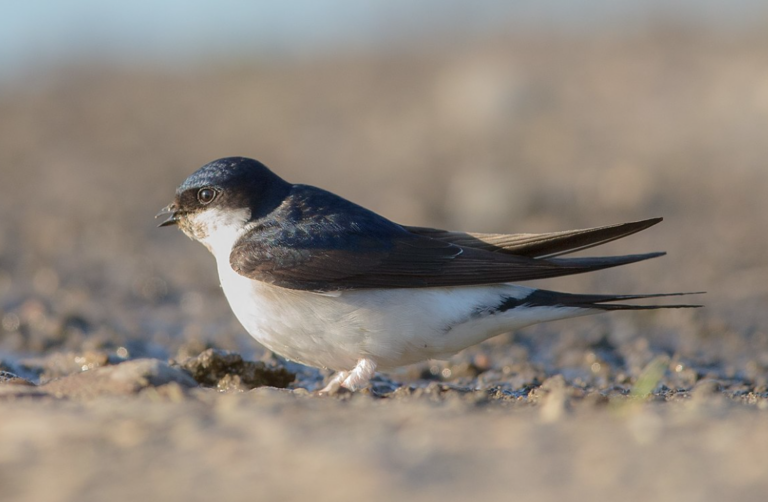
Swifts rarely take off from flat ground, and both swifts and swallows may end up grounded in awkward places. If you suspect one, avoid “testing” flight; contain safely and get advice. For quick ID help, see How to Tell the Difference Between Swallows, Swifts.
How to prevent repeat problems (without disturbing nests)
Cat curfews/bells during fledging season; dog control in gardens/parks
In late spring and summer, consider practical temporary changes:
- Keep cats indoors at dawn and dusk when birds are most active, or during peak fledging days in your garden.
- Use a collar bell or bright collar if safe and suitable for your cat (follow proper fitting advice).
- Keep dogs supervised in the garden and on leads near hedges where fledglings hide.
Make windows safer; feeder placement tips
To reduce strikes:
- Break up reflections with decals/film/UV products designed for bird safety, or external blinds where appropriate.
- Review feeder positioning. Many people either place feeders very close to the window (so birds can’t build up speed) or further away with a clearer flight path—your exact layout matters, so consider what’s safest for your garden.
- Keep feeding areas predictable and avoid sudden startling movements behind glass where birds are feeding.
Keep hedge-cutting and nest disturbance in check
Try to avoid heavy hedge-cutting and shrub clearance during the main breeding season unless necessary for safety. If you suspect an active nest, keep disturbance to a minimum and seek guidance; protecting nesting birds is both good practice and can have legal implications in the UK.
Final thoughts
Knowing how to tell if a fledgling needs help comes down to a simple triage: most feathered, alert, hopping youngsters are being cared for and should be left nearby; those with injury, cold/soaking, cat contact, window-strike signs, or immediate danger need intervention and professional advice.
If the fledgling seems healthy, your best help is usually to move it a short distance into cover, keep pets and people away, and observe from a distance for up to an hour. If any red flag applies, place it in a ventilated, towel-lined box in a warm, dark, quiet place and contact a local wildlife rehabilitator, the RSPCA/SSPCA/USPCA, or a vet with clear details of what happened. Acting calmly and minimally gives the bird the best chance—whether that means re