House Martin – Natures Acrobat
House martin – natures acrobat: learn UK ID vs swallow, best times/places to watch, and what to do about nests on your house (protected).
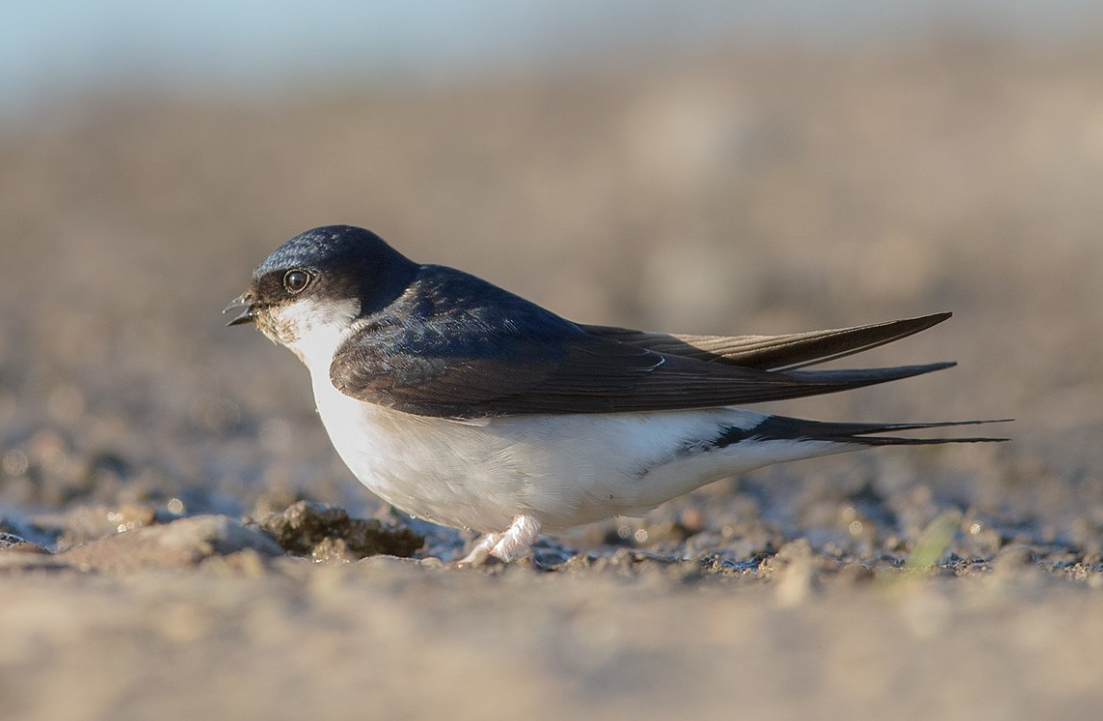
If you’ve got small dark-and-white birds zipping around rooftops and eaves, you’re probably watching the house martin – natures acrobat in action. The quickest confirmation is this: look for a bright white rump as it banks, plus clean white underparts and a short, neat tail. To watch them well, stand back so you can see their flight-line against the sky, ideally near water or open ground where insects drift. And if they’re nesting on your building, don’t panic: you can usually manage mess and maintenance with timing and simple measures—but you’ll need to be careful, because active nests are legally protected.
Why the House Martin is “nature’s acrobat” (what to watch for)
Calling the house martin an acrobat isn’t just poetic—it describes a very specific style of flight and a set of behaviours you can look for in the UK. House Martins spend much of their day on the wing, making quick, decisive adjustments to catch tiny flying insects. Their speed changes, tight turns and sudden glides can look almost choreographed, especially when several birds feed together over a village street or above a river.
When you’re watching, try to pick a single bird and follow it for ten seconds at a time rather than trying to take in the whole swarm. You’ll start to see patterns: brief bursts of wingbeats, a glide, then a sharp flick as it changes direction. This is “acrobat” behaviour you can reliably spot without needing specialist kit.
Aerial feeding: fast turns, glides and tight flocking (practical viewing cues)
House Martins are classic aerial insect-feeders. In practical terms, that means their acrobatics happen where the food is: above water, along treelines, over pasture and even over warm tarmac on still evenings. Watch for:
- Snappy banking turns as a bird “tracks” an insect—often a tight curve rather than a wide swoop.
- Sudden altitude changes: a quick climb, then a drop back into the main feeding zone.
- Loose flocks where birds seem to coordinate without colliding. It often looks chaotic until you focus on spacing—each bird keeps a small buffer around itself.
- Feeding low in dull weather (insects fly lower), then higher in warm, bright conditions.
A nice field trick: if you’re struggling to confirm the species, wait for a bird to bank hard. The flash of the white rump is often the best “tell” at speed.
Nest-building on the wing (mud collecting behaviour to look for)
The “acrobat” label also fits their breeding routine. In spring and early summer, House Martins collect mud and carry it back to a nest site under eaves. You can often see them dropping low to:
- puddles and muddy margins after rain, especially on tracks, field edges and garden beds,
- pond edges or shallow, still water where mud is workable,
- freshly disturbed soil (new flowerbeds or building work), though they’ll avoid heavy disturbance if it feels risky.
They’ll swoop in, grab a pellet in a split second, and lift away—sometimes with a little “hover” as they judge the surface. If you see repeated visits to the same patch of mud, you’re likely close to an active colony.
House Martin identification in the UK (and common mix-ups)
Fast flight can make any hirundine (swallow, martin) look similar at first glance. The key with House Martins is to combine a few features rather than rely on one. In the UK, most confusion happens with Swallow (more common in rural settings and around livestock) and Sand Martin (often near rivers and gravel pits). If you build a “mental checklist”, you’ll get confident quickly.
Key features: white rump, clean white underparts, short forked tail
- Upperparts: glossy blue-black on the back and wings in good light.
- Underparts: typically clean white (often looks bright against a grey sky).
- Rump: a distinct white rump patch that flashes as the bird turns—one of the best in-flight clues.
- Tail: short and lightly forked. It does not have the long “streamers” of a Swallow.
- Wings: long and pointed, giving a crisp, purposeful silhouette.
- Typical context: often around buildings, with nests under eaves, bridges and gables.
If the bird looks bright white underneath and “compact” behind (short tail) as it flicks past, you’re usually in House Martin territory.
House Martin vs Swallow vs Sand Martin (quick comparison)
Use this quick, field-friendly comparison. You don’t need every feature—pick the easiest two in your conditions.
House Martin: white rump; clean white underparts; short forked tail; often around buildings; nests are enclosed mud cups under eaves.
Swallow: no white rump; underparts creamy buff; long forked tail with obvious streamers; often low over fields and around farms; nests are open mud cups inside buildings (e.g., barns, garages).
Sand Martin: no white rump; underparts white but with a clear brown breast band; smaller, “browner” look overall; tends to feed over water and open areas; nests in burrows in sandbanks, quarries and river cliffs.
In tricky light, focus on structure and contrast. A white rump is the simplest “yes/no” for House Martin. If you can’t see the rump, the next easiest is tail length: streamers mean Swallow; short tail supports House Martin (or Sand Martin), then look for the Sand Martin’s breast band.
Where and when to see House Martins in Britain
House Martins are strongly seasonal in the UK. If you know the timing, you can plan your best encounters—whether that’s watching a nesting colony in a village or seeing late-summer gatherings where birds feed hard before heading south.
Seasonal timing: typical arrival, breeding period, late-summer gatherings
Most House Martins are summer visitors. In many parts of Britain they typically arrive in spring (often April, though local timing varies with weather), then settle quickly into breeding. Through late spring and summer, you’ll see regular commuting between feeding areas and nest sites—often a predictable loop you can learn in a single session.
By late summer, House Martins can gather in larger groups, especially where insects are abundant over water or wet meadows. These gatherings can be the most spectacular time to watch “acrobatics”: birds slicing past each other at speed, turning almost as one as the feeding conditions shift. As autumn approaches they depart, with exact dates depending on weather patterns and local success of breeding attempts.
If you’re hoping to see nest-building, aim for a calm spell after rain (mud available) during the main breeding season. If you’re hoping for big numbers, watch for warm, still evenings later in summer when insects are rising.
Best places: towns/villages, water nearby, farmland edges, coastal migration points
House Martins often sit right on the boundary between “urban” and “rural”. The best UK spots tend to share these features:
- Towns and villages with suitable eaves and sheltered walls—look around older houses, terraces, bridges and public buildings.
- Water nearby (rivers, lakes, canals, ponds). Even a small stretch can boost insect numbers and bring birds low enough to watch well.
- Edges of farmland where insects drift over pasture and hedgerows, particularly on warm days.
- Coastal headlands and estuaries can be rewarding during passage periods, when hirundines gather and move along the coast in favourable winds.
A simple way to find a colony: on a sunny day, pause in a likely village and listen/scan above the street. House Martins often feed high, then suddenly drop towards the nests in short, direct runs. Once you’ve spotted one nest, look along the same eaves line—colonies can include several nests close together.
How to watch House Martins well (binoculars, positions, and etiquette)
Because House Martins are constantly moving, watching them is less about “staring harder” and more about setting yourself up properly. Your position, the light, and a bit of patience will make a bigger difference than expensive gear. The goal is to enjoy the acrobatics without pushing birds away from their feeding route or nest site.
Viewing strategies: stand-off distance, watching flight-lines, using background light
- Use a clear background: place yourself so birds cross an open patch of sky. A cluttered background (trees, chimneys, wires) makes fast birds harder to track.
- Keep the sun to your side or behind you: side-light helps show contrast (white underparts and rump). Looking into the sun turns everything into silhouettes.
- Find the “flight-line”: many birds follow a repeatable path between feeding and nests. Watch for a minute, then move a few steps to put that line at a comfortable viewing angle.
- Stand back from nests: if you’re close enough that birds hesitate to approach, you’re too close. Step away until they resume natural behaviour.
- Best tempo: early morning can be lively, but a warm late afternoon/early evening often brings sustained feeding and lower flight.
If you want a memorable “acrobat” moment, watch when a light breeze picks up. Birds will sometimes “work” into the wind, feeding in a tighter area and giving you repeated passes.
Gear pointers for fast birds (brief, practical)
Binoculars can help, but only if they’re comfortable and quick to use. For House Martins, prioritise a bright, steady view and fast target acquisition over extreme magnification. Many birders find mid-range magnification easier for tracking fast flight. If you’d like a clear explanation of what those numbers and coatings mean in real use, see Binoculars: understanding the tech specs.
For photography, consider treating House Martins as “action” subjects: use a fast shutter speed if your camera allows, and take short bursts as birds pass a predictable point. If you’re walking out to riverside feeding areas or damp fields, staying comfortable matters too—wet ground is common where insects are best. This guide to why to use waterproof walking boots for bird watching is a sensible starting point.
Nests on buildings: what to do, what not to do (UK-specific)
House Martins famously nest on buildings, and that’s often the moment people search for answers—especially when mud nests appear above a doorway, window, patio or newly painted wall. The good news is that most situations can be handled calmly with a plan. The key is to avoid accidental disturbance at the wrong time.
Are House Martins protected? (plain-English summary + caution to check current guidance)
In the UK, House Martins are generally protected under wildlife law, and their active nests (with eggs or young, or in use) should not be damaged or removed. Disturbing breeding birds can also be an offence in certain circumstances. Because legal details and official guidance can change, treat this as a practical summary rather than legal advice: if a nest is active, assume you must not interfere, and seek current guidance if you’re unsure.
If you believe there’s a genuine health and safety issue, or essential building work cannot be delayed, it’s wise to get proper advice before doing anything. In many cases, the simplest route is to wait until the birds have finished breeding for the year, then take preventative steps ahead of their return next spring.
Managing mess and maintenance: timing, temporary measures, who to contact
The most common concern is droppings below nests. Practical, bird-friendly options usually include:
- Fit a droppings shelf/board below the nest (well beneath it so adults still have clear access). This can protect walls, paths and windows while leaving the nest untouched.
- Protect surfaces temporarily with removable coverings during the breeding period (for example, a sheet or easy-clean panel where it won’t flap up towards the nest).
- Adjust use of doorways: if a nest is directly above a busy entrance, consider using another door for a few weeks where possible.
Timing matters. If you’re planning painting, rendering, guttering, or roof work, try to schedule it for outside the breeding season. Even “nearby” disturbance can cause stress and reduce feeding efficiency. If you must work close to a traditional nesting spot, plan well ahead and get up-to-date guidance before any action that might affect nests.
Also remember that House Martins often return to the same area year after year. If you’ve had nests before, a little preparation in late winter can prevent last-minute conflicts.
Helping House Martins succeed (simple, realistic actions)
If you enjoy having House Martins around, small changes can make your home and neighbourhood more welcoming—without turning it into a major project.
- Keep a mud source available in dry spells: a shallow damp patch of soil can help nest-building (placed somewhere quiet and safe from pets).
- Garden for insects: a mix of native shrubs, longer grass in a corner, and flowering plants can support the insects House Martins depend on.
- Avoid unnecessary pesticide use: fewer flying insects can mean harder feeding for adults and chicks. If you need to treat a problem, consider the least harmful option and timing.
- Provide water: a pond, wildlife-friendly water feature, or even a safe bird bath can increase local insect activity and give birds a nearby resource in hot weather.
If you’re also feeding garden birds, keep expectations realistic: House Martins don’t usually come to seed feeders in the way finches or sparrows do. But supporting overall garden wildlife still helps the wider food web. If you’re reviewing what’s suitable at feeders for other species, Birds and Breakfast: oats and pumpkin seeds is a useful UK-focused reference.
Final thoughts
The house martin – natures acrobat earns the name through real, watchable behaviours: tight aerial turns as it feeds on the wing, and rapid mud-collecting trips that build nests under our eaves. If you want a simple checklist, think:
- Spot it: look for the white rump, clean white underparts and short tail.
- Watch it: choose a clear patch of sky near water or open ground and follow the flight-line.
- Support it: if nests are on your building, manage mess with gentle measures and careful timing—avoid disturbing active nests.
With that approach, you’ll not only identify House Martins confidently, you’ll also get the best views of their acrobatics while helping them breed successfully