Why Use Waterproof Walking Boots for Bird Watching
Learn why use waterproof walking boots for bird watching in the UK: stay dry, safe and comfortable on mud, moorland and coastal paths.
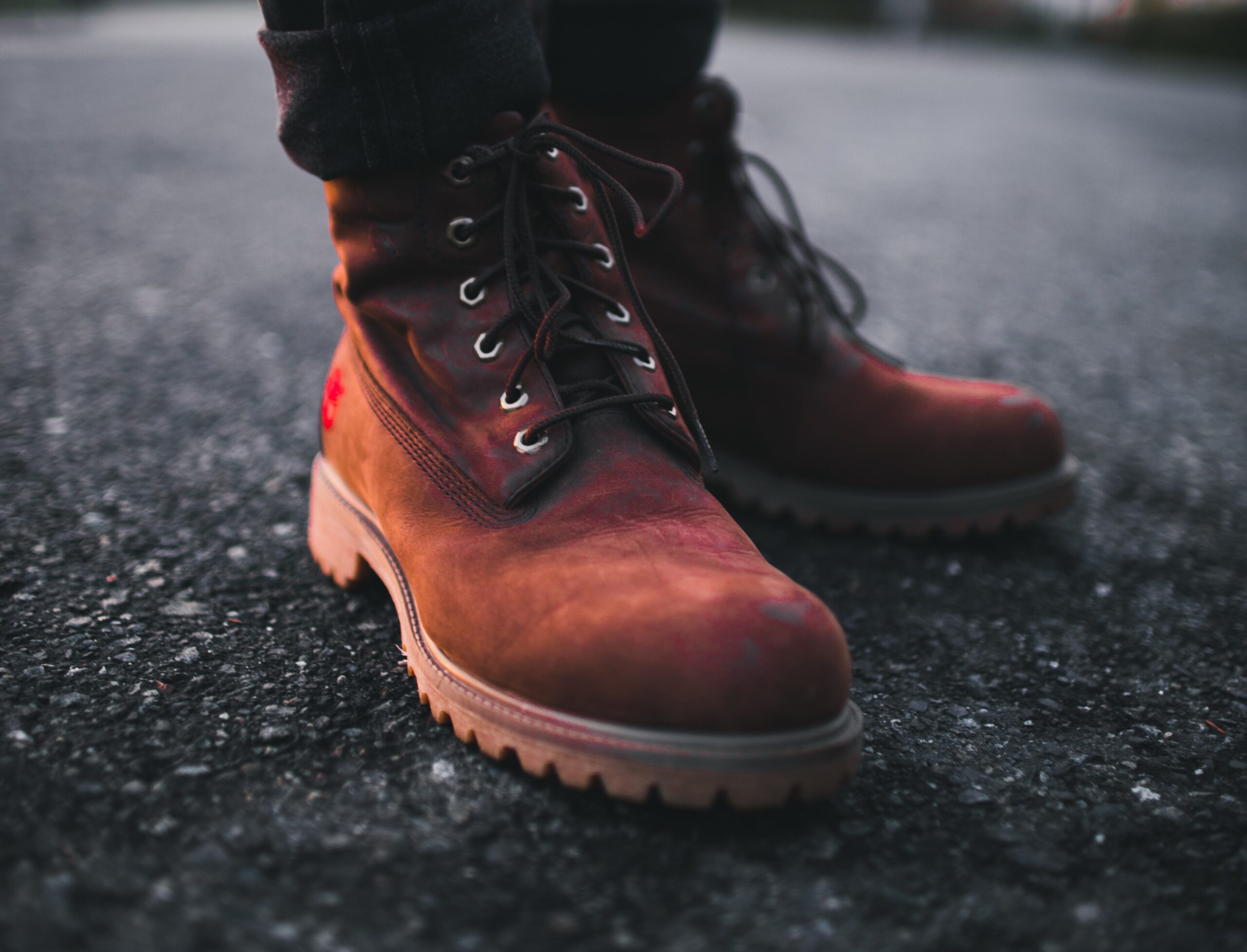
If you’ve ever arrived at a hide with damp socks, slid on a muddy path edge, or turned back because the track is waterlogged, you’ve already met the real reason birders ask: why use waterproof walking boots for bird watching? In the UK, many of our best birds are found exactly where the ground is wet—reedbeds, muddy scrapes, dew-soaked meadows, winter fields and coastal edges. Waterproof walking boots don’t just keep your feet dry; they help you stay out longer, move more safely, and reach habitats that trainers simply can’t handle.
This guide breaks down the practical benefits, when waterproof boots are genuinely worth it (and when they’re not), and what to look for in a pair that suits typical UK birding conditions.
Why use waterproof walking boots for bird watching? The short practical answer
Waterproof walking boots are a high-impact piece of birdwatching kit in the UK because they remove one of the biggest limits on your time outside: wet feet and unstable footing. When you’re birding, you often stop, wait, scan and take short detours off the main path—exactly the kind of movement that exposes weak footwear.
- Dry feet mean longer sessions: you can stay for the tide change, the next movement of waders, or that last hour before dusk without discomfort.
- Safer footing on mud and slick surfaces: better grip and structure helps on wet grass, clay paths, boardwalk approaches and muddy gateways.
- Access to better habitat: waterproof boots make it realistic to follow permissive paths, field edges and marsh trails without constantly worrying about puddles and saturated ground.
- Warmer in cold months: damp socks quickly pull heat from your feet during winter stake-outs and static watching.
- Less distraction, better fieldcraft: when you’re not thinking about soggy shoes or slipping, you’re quieter, steadier and more observant.
In other words, waterproof walking boots are not “just comfort”. For many birders, they directly affect how often you go out, how far you can go, and how well you can concentrate once you get there.
UK birding situations where waterproof boots make the biggest difference
Wetlands, reedbeds and muddy hides (reserves, scrapes, flooded paths)
UK wetlands are brilliant for birds and brutal on footwear. Even well-maintained reserves can have saturated pinch points: the last 200 metres to a hide, the narrow path beside a scrape, or a section where water sits after heavy rain. Mud is more than a nuisance; it increases the chance of your foot sliding as you step off a boardwalk, onto a bank, or around a puddle where the edge has been churned up.
Waterproof walking boots help you commit to these short “awkward bits” without hesitation. That matters because the best views are often from fixed spots—hides and screens—where you’re likely to stand for a while. Dry feet and a stable stance make it easier to watch carefully for subtle movement among reeds or distant birds on the water.
Woodland rides, dew-wet grass and farm tracks
You don’t need knee-deep water to get soaked. In the UK, long grass holds dew well into the morning, and woodland rides can stay wet even after a few dry days. Add in farm tracks with puddles, slick leaves and muddy gateways and you have constant opportunities for damp socks.
Boots that shrug off wet grass can be the difference between “quick walk before work” and “turning back early”. If your local patch includes public footpaths across pasture or arable edges, waterproof boots also help on the frequent mix of surfaces: firm track, then mud, then a short grassy section, then a puddled corner by a gate.
Moorland and upland boggy ground
Upland birding often involves uneven, tussocky ground where water collects in hollows. Even when it hasn’t rained much, moorland can be deceptively wet underfoot. Waterproof boots help here for two reasons: they resist soaking from constant contact with wet vegetation, and they give you more structure and protection as you step between tussocks and over hidden holes.
On moorland, the weather can also shift quickly. If you’re caught in a shower and the ground is already saturated, a non-waterproof shoe can go from “fine” to “miserable” in minutes. Dry feet aren’t just comfort; they help you maintain your pace and focus when conditions are changeable.
Coastal birding: sea spray, rock pools, saltmarsh edges
Coastal birding can look deceptively “easy” from the car park—promenades and sea walls can be straightforward. But if you bird along shingle, step onto damp sand, or follow a path near saltmarsh, water is never far away. Sea spray and wind-driven rain also find their way onto footwear more readily than you might expect, especially on exposed headlands.
Waterproof boots are particularly useful on coastal paths after storms, when puddles and run-off cross the trail, and when you’re moving between viewpoints. They also give you a more secure footing on slippery stones and muddy estuary edges—areas where a slip isn’t just inconvenient, but potentially dangerous.
The real benefits: comfort, safety and better birding outcomes
Staying warm: wet feet chill fast in UK weather
UK birdwatching often involves standing still: waiting for a flypast, watching a feeding flock, or scanning a distant scrape. When you’re not moving much, your body produces less heat, and wet socks can cool your feet quickly—even on days that don’t feel particularly cold at first.
Waterproof walking boots help by keeping external water out and reducing how quickly your socks become damp. That warmth matters most in autumn and winter, but it can also matter in spring at exposed wetlands or on the coast, where wind chill makes cold feet arrive earlier than you’d expect.
Fewer blisters and hot spots (wet socks = friction)
Blisters are often a friction problem made worse by moisture. Once socks are wet, they’re more likely to rub, bunch, or slide slightly—especially on longer walks. Even a “small damp patch” can become a hotspot by the time you’ve looped back to the visitor centre.
Waterproof boots reduce the chance of that slow soak-through that turns a comfortable shoe into a blister-maker. They won’t fix poor fit, but they give you a better baseline: drier socks and a more stable interface between foot, sock and boot.
Grip and ankle support for uneven ground and slippery stiles
Birdwatchers don’t always walk like hikers. We step off the path for a better angle, shuffle sideways to share a viewing gap, and turn our heads while moving. That can be a recipe for slips if your footwear isn’t up to it.
Many waterproof walking boots come with sturdier soles and more purposeful tread patterns than everyday shoes. That can help on:
- muddy reserve paths where the top layer skates over firmer ground
- wet grass slopes and field margins
- leafy woodland paths after rain
- stiles, steps and boardwalk approaches where algae and wet timber can be slick
Ankle support is also useful when you’re carrying optics and extra layers. Even if you don’t need a stiff boot, a supportive mid-height walking boot can reduce ankle roll on uneven ground, especially when you’re stepping over ruts, stones, or tussocks.
Less noise and distraction (moving more steadily and quietly)
It sounds counter-intuitive, but good boots can help you be quieter. When your footing feels secure, you can place your feet with more control rather than hopping over puddles, skidding slightly on mud, or stamping to avoid wet patches. That steadiness is useful around shy birds on narrow paths and in places where the best views come from moving slowly and pausing often.
Just as importantly, waterproof boots reduce the “mental noise” of discomfort. When your feet are cold, wet or sore, you tend to rush. When your feet are fine, you’re more likely to wait for behaviour to unfold and notice the small details that make birdwatching rewarding.
And while boots aren’t the main piece of birding kit people research first, it’s worth pairing solid footwear with well-chosen optics—our guide to binocular specs and what they mean in practice can help you match your comfort in the field with clearer viewing.
Waterproof vs “water-resistant”: what the labels actually mean for birdwatchers
Footwear marketing can be confusing. For birdwatching, the difference between waterproof and water-resistant is mostly about how long your shoes stay usable in persistent wet conditions.
Water-resistant usually means the outer material has a treatment that repels light moisture, or the construction slows water getting in. It may handle brief contact with wet grass or a shallow puddle, but it’s not designed for repeated soaking. Over time, water tends to seep through stitching, fabric panels and the tongue area.
Waterproof typically means there’s a waterproof membrane (or a well-sealed construction) intended to prevent water ingress during normal walking. In practice, look for:
- a membrane lining (often described as waterproof/breathable)
- a gusseted tongue that closes off gaps where water can enter
- sealed seams and fewer weak points in the upper
Even genuinely waterproof boots have limits. If you step into water deeper than the boot collar, water will come in from the top. And if you’re walking in heavy rain with trousers funnelling water straight into the cuff, you’ll also get wet. That’s why boot height and how you wear them (and sometimes gaiters) matters as much as the membrane itself.
What to look for in waterproof walking boots for bird watching (UK-focused checklist)
Fit first (toe room, heel lock) and why it matters on long stake-outs
Fit is the difference between “boots I can wear all day” and “boots I regret by lunchtime”. For birdwatching, comfort matters because you’ll often do a mix of slow walking and standing still—both of which highlight pressure points.
- Toe room: you want space to wiggle your toes, especially when walking downhill on coastal paths or escarpments.
- Heel lock: your heel should feel secure; heel lift is a common cause of blisters.
- Width: many birders prefer slightly more room for thicker socks in winter, but not so much that the foot slides inside the boot.
Try boots later in the day (feet swell a little) and with the socks you actually bird in. If you plan winter dawn sessions, build that into the fit decision.
Sole and tread for mud vs mixed paths
Think about where you bird most often. A deep, widely spaced tread tends to shed mud better and bite into soft ground, which is helpful on reserve paths in winter. A more moderate tread can feel smoother on hardpack and pavements if your birding includes a lot of mixed surfaces.
For many UK birdwatchers, the “sweet spot” is a walking boot sole that grips on wet grass and mud but doesn’t feel like an aggressive fell-running shoe on firm tracks. If your local patch involves frequent mud, tread becomes just as important as waterproofing—dry feet are great, but slipping is worse.
Height: mid vs high ankle for marsh edges and uneven ground
Mid-height boots are often a good compromise for birdwatching: enough coverage to block shallow puddles and wet vegetation, with easier movement than a full high-ankle boot. High-ankle boots can be worth it if you regularly bird on moorland, rutted tracks, or anywhere you’re stepping across uneven ground with hidden holes.
As a rough guide:
- Mid boots: most reserve paths, woodland, farmland edges, everyday UK birding.
- Higher boots: boggy uplands, rough coastal sections, winter mud where puddles are frequent and deep.
Breathability vs waterproofing trade-off (avoiding sweaty feet)
Waterproof membranes help keep water out, but they can also reduce ventilation compared with non-waterproof footwear. If you tend to bird in mild weather, or you walk briskly between sites, you may notice warmer feet.
The practical approach is to choose the level of waterproofing for your typical conditions rather than your occasional extremes. In the UK, wet ground is common enough that many birders still benefit from waterproof boots for most of the year. If you mainly bird in summer on dry paths, you may prioritise breathability and use waterproof boots for wet-season trips.
Weight and flexibility for slow walking and standing at hides
Heavy boots can feel tiring if you’re on your feet all day. But ultra-light boots can lack the support that makes mud and uneven ground easier. For birdwatching, you want a boot that feels stable when you’re standing still and shifting your weight while scanning.
A slightly more structured boot can also feel more comfortable when you’re carrying a daypack, tripod, or extra layers. If you do a lot of short, local visits, weight may matter more; if you do long reserve days in winter, support often wins.
Lacing, rand and toe protection for brambles, shingle and gates
Birdwatching routes often include practical obstacles: kissing gates, brambles on permissive paths, shingle beaches, and rough ground near sea walls. Useful boot details include:
- secure lacing: lets you adjust tension for walking versus standing
- a protective rand/toe bumper: helps against scuffs and knocks, especially on shingle and stony paths
- durable uppers: resist abrasion from vegetation and repeated wet/dry cycles
These aren’t glamorous features, but they’re the ones you notice after a few months of real UK use.
When you might not need waterproof walking boots (and what to use instead)
Waterproof walking boots aren’t mandatory for every kind of birding. If most of your birdwatching is short, on dry paths, or close to home, you may be better served by footwear that’s simply comfortable with decent grip.
You might skip waterproof boots if:
- you mainly bird in summer on well-surfaced trails, parks, or promenades
- your visits are brief and you can choose fair-weather windows
- you mostly watch birds from your garden or nearby streets
Alternatives can work well:
- Trail shoes for dry-to-mixed conditions where grip matters more than waterproofing.
- Wellies for genuinely deep mud or flooded paths (they’re waterproof, but often less supportive for long walks).
For example, a quick local stroll to watch urban gulls and pigeons may not justify a full boot—our piece on why pigeons deserve a second look is the sort of reading that suits those easy, nearby birding moments. Likewise, if your birding day is mostly at home or in the garden, you’re less exposed to wet ground; you might be thinking more about feeders and routine than footwear, such as what’s safe to put out in oats and pumpkin seeds for birds, or whether sparrow nesting boxes fit your space.
The key is being honest about your usual conditions, not your ideal conditions. If you routinely end up on wet grass or muddy edges “just for a look”, waterproof boots quickly become worthwhile.
Keeping waterproof boots waterproof: simple care that matters in the field
Even good waterproof boots need basic care, especially after muddy reserve days. Neglect is a common reason people think their boots “aren’t waterproof” when the issue is clogged fabric, worn treatments, or poor drying habits.
- Clean mud off after each trip: dried mud can damage materials and stop breathable membranes working properly. Use a soft brush and lukewarm water.
- Dry them slowly: don’t put boots on a radiator or next to direct heat; it can crack leather and weaken glues. Stuff with newspaper and let them dry at room temperature.
- Reproof when water stops beading: if the outer fabric looks “wet-out” quickly, refresh the water-repellent treatment suitable for your boot material.
- Check the tongue and seams: grit and small stones can sit in folds and wear the lining over time.
- Choose socks deliberately: a good walking sock helps manage moisture and reduces friction; it’s part of the waterproof system, not an afterthought.
- Consider gaiters for deep mud and wet grass: they help stop water and debris coming over the top, which no membrane can prevent.
A two-minute routine after a wet outing can add months (or years) of life to your boots, and keeps them performing when you need them most—during the soggy months when the UK’s best birding can be at its most rewarding.
Final thoughts
So, why use waterproof walking boots for bird watching? In the UK they’re one of the most practical upgrades you can make because they keep you comfortable, safer on slippery ground, and able to reach wet habitats where many of our best birds are found. Dry feet help you stay longer, concentrate better, and move more quietly and steadily—small advantages that add up over a season.
A simple rule of thumb: if your regular birding involves muddy hide approaches, wet grass, winter walks, moorland, or exposed coastal paths, waterproof walking boots are usually worth it